
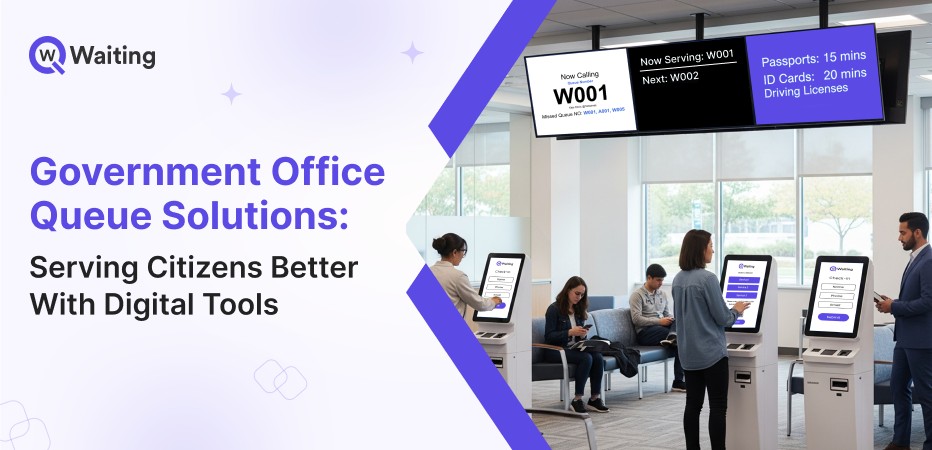
Imagine walking into a DMV on a Tuesday morning and seeing a room full of frustrated people waiting for their turn to get their driver’s license renewed. The staff, overwhelmed managing the crowd and the software clashes. That question is, “How much longer will this take?”
They compare the DMV to other easy things they use. Think about your bank’s app on your phone. It is fast and simple. Or, think about booking a doctor online. That is also easy. Even the place that sells pizza sends a text when your food is ready. These easy experiences change what people expect. Now, people expect the government to be just as fast and easy. Because of this, government offices have to find new ways to help people get services.
The way public offices manage lines is changing. They use new ways to handle the waiting list, which is called digital queue management. This is not just about using cool new technology. It is about something more important. It shows respect for the time people spend waiting. It also helps make the office less messy and confusing to run. When the process is better, people start to trust these public offices more.
The New Reality of Citizen Expectations
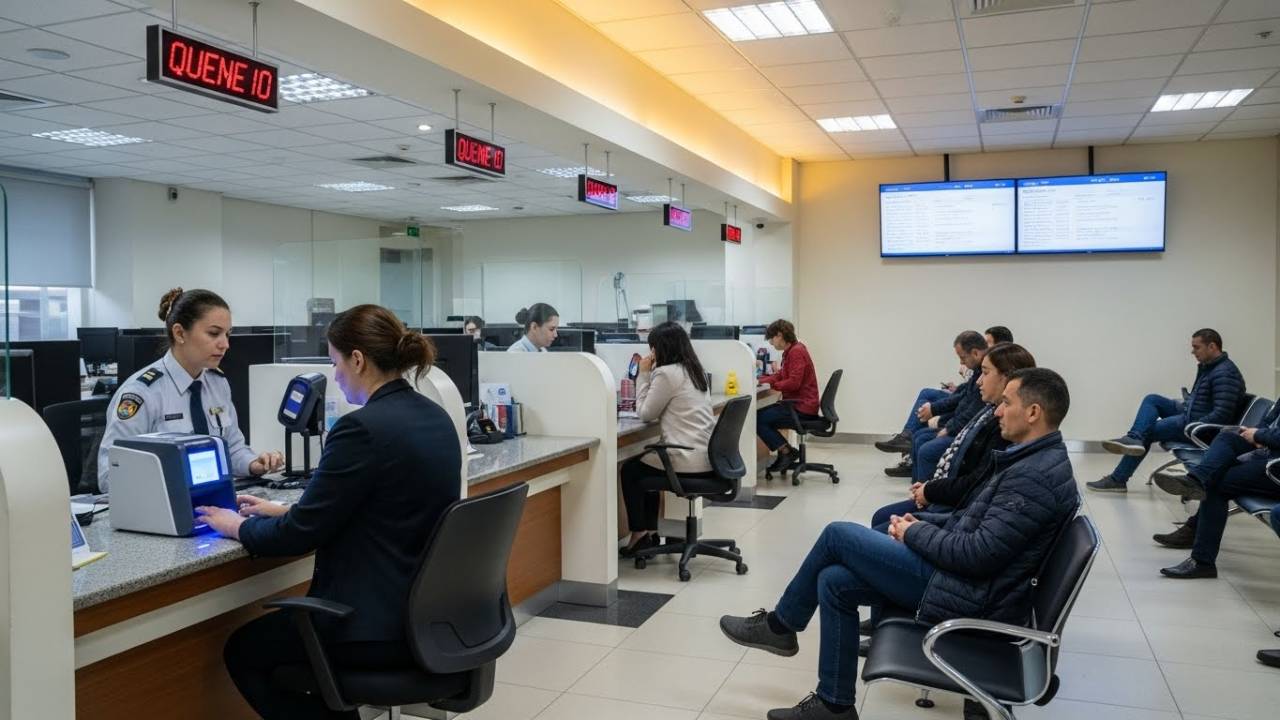
People now expect government services to be fast, easy to see or transparent, and fair. They want to know what is happening and why. But many public offices are not like this. They are often slow and confusing. The difference between what people expect and what they actually get is now very big. It is getting harder for the government to ignore this problem.
Why Traditional Lines No Longer Work
The old token system is no longer effective. People today want to know their exact wait time and what papers or things they need to bring with them. And finally, they want to know if they can start the process before they even get to the office. The private sector trained them to expect this.
Long waiting lines do more than just make people angry. They also hurt people’s trust in the government.
What’s interesting is how quickly perception shifts. Someone who waits for 45 minutes and has no idea what is happening will be very upset. But what about that same person who waits for 40 minutes? If they get three text messages telling them about their place in line, they will leave feeling happy. Getting updates makes a big difference.
Here’s how modern digital solutions at DMV’s and public sector are bringing the change:
| Old Queue System | Modern Digital Experience |
| No visibility into wait times | Real-time updates via SMS/app |
| Physical presence required from start | Join queue remotely, arrive when ready |
| Manual ticket distribution | Self-service kiosks and mobile check-in |
| One-size-fits-all service flow | Personalized routing based on service type |
| No appointment options | Blended walk-in and scheduled slots |
How Digital Tools Are Changing the Public Service Landscape
People now expect to know how long they will wait for help. It should be easy to track, just like tracking a package you ordered. They want alerts on their phone about their wait. They also want to do small checks or paperwork online before they arrive. They want to finish simple tasks without waiting in line for a long time.
Digital change in government offices only succeeds if it is planned to include everyone from the very start.
A New Era of Trust & Transparency
When people get updates about their service, it changes how they feel while waiting. These updates are given in real-time, which means right now. The time they wait might not really be shorter. But, because they know what is happening, the wait feels fair.
Knowing the wait time clearly, or being transparent, does more than just stop people from getting upset. It also means the staff gets fewer complaints. This makes the whole process better for everyone, the customers and the staff.
By 2026, citizens expect the services they already enjoy from private firms from the government offices too. If you want to know why better queue management is necessary, you must read our blog:
Why Government Offices Must Modernize Their Queues Before 2026
Core Challenges Government Offices Face Today
Most public service leaders know their queue systems need an upgrade. What they don’t always see is how deeply the problems run, or how much it’s costing them beyond the obvious complaints.
The Bottlenecks That Drain Both Time and Public Trust
Walk-in surges during lunch hours and early mornings create chaos that ripples through the entire day. Manual check-in processes slow throughput to a crawl. When you’ve got 15 service windows but only 8 are staffed because of uneven workload distribution, that’s not a staffing problem—that’s a flow management problem.
Peak hour congestion isn’t random. It’s predictable. But without data on visitor patterns, offices keep reacting instead of planning. The result? Citizens wait longer than necessary, and staff work harder than they should.
Hidden Operational Costs Leaders Often Miss
The visible cost of long queues is citizen complaints. The hidden cost? Staff burnout, declining service morale, and the constant pressure of managing crowds instead of serving people. These costs don’t show up on budget reports, but they show up in turnover rates and employee satisfaction scores.
When your frontline staff spend half their energy on crowd control, service quality suffers. That’s not a training issue—that’s a structural one.
| Visible Costs | Hidden Costs |
| Citizen complaints | Staff burnout and turnover |
| Extended wait times | Declining service quality |
| Overcrowded lobbies | Reduced employee morale |
| Service delays | Inefficient resource allocation |
| Physical space limitations | Lost productivity from manual processes |
Accessibility Gaps That Hurt Public Experience
Here’s what this actually means: A senior citizen who struggles with unclear signage, a non-English speaker who can’t navigate the process, or someone with mobility challenges who can’t stand in line for 90 minutes—these aren’t edge cases. They’re daily realities in public offices.
ADA compliance isn’t just a legal requirement. It’s a service standard. Offices that don’t prioritize accessibility aren’t just falling short on compliance—they’re failing citizens who need services most.
The Digital Toolkit Every Public Office Needs
Look, this isn’t about ripping out everything and starting over. It’s about adding tools that solve real problems—starting with the ones causing the most pain today.
Virtual Queue Management
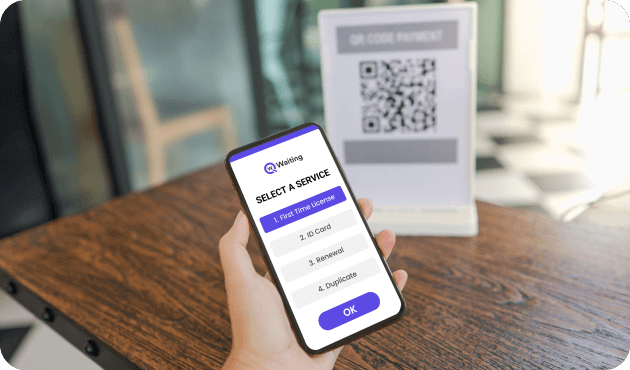
Citizens can join queues from their cars, homes, or offices using their phones. They get SMS or WhatsApp updates as their turn approaches. By the time they walk in, they’re minutes away from service. This works beautifully for DMVs, licensing offices, and permit counters where the service itself requires in-person interaction but the waiting doesn’t.
Lobby congestion drops immediately. Staff manage calmer crowds. And citizens? They get their time back.
“We cut lobby wait times by 60% in the first month. Citizens can now run errands or grab coffee instead of standing in our waiting room. The feedback has been overwhelmingly positive.”
— Municipal Services Director, City of Austin
Smart On-Premise Queue Displays
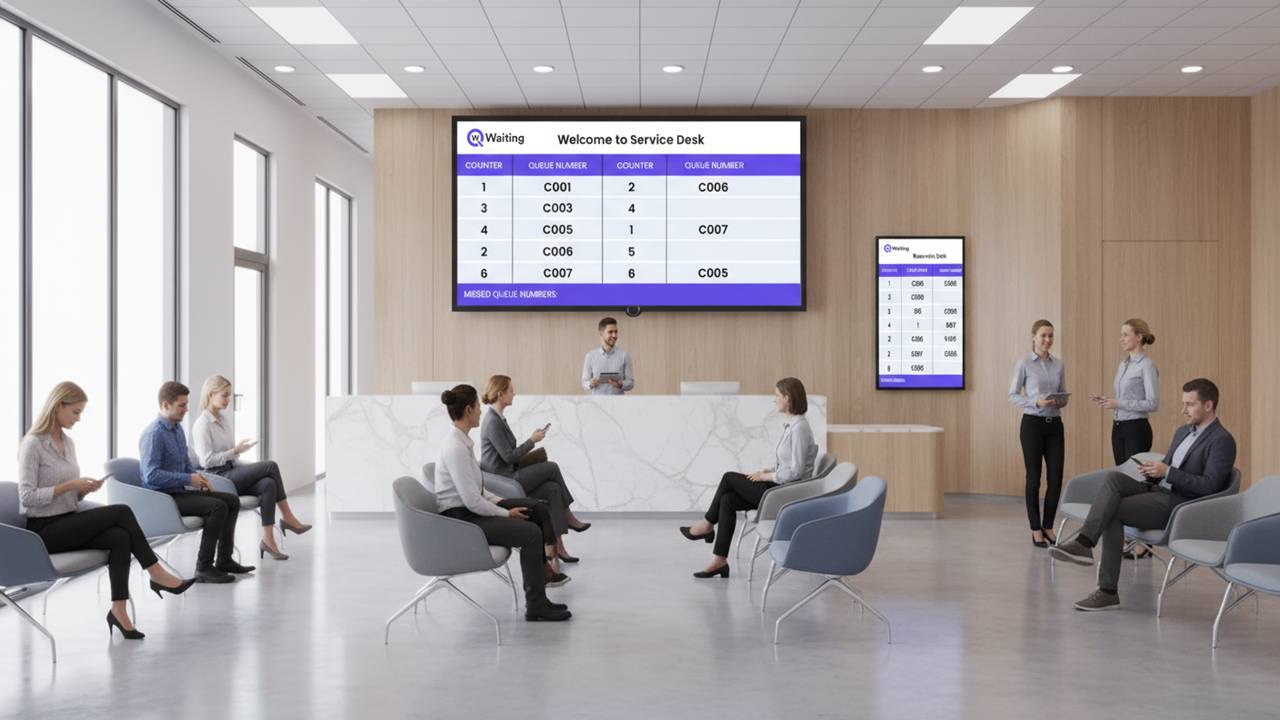
Digital displays show clear, real-time callouts for which counter is serving which number. Multilingual instructions mean everyone understands what’s happening. For staff, it’s easier to manage flow when visitors can self-navigate using visual cues instead of asking for directions every two minutes.
When there’s an emergency alert, everyone sees it at once. It’s dynamic communication that keeps pace with what’s actually happening.
Appointment Scheduling & Pre-Visit Booking
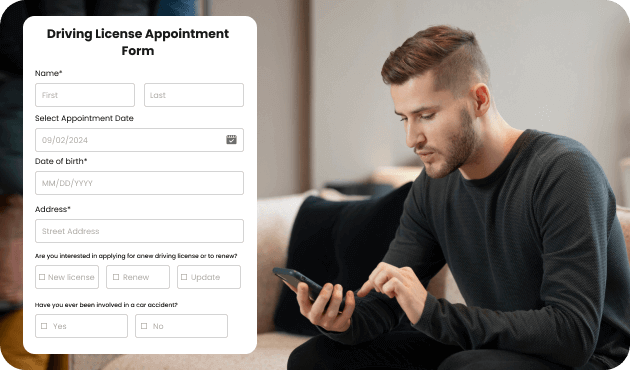
Letting citizens book specific time slots transforms operations. Walk-in chaos becomes manageable. No-shows drop when people choose times that actually work for them. The blended model—where you handle both scheduled appointments and walk-ins—stabilizes daily volume and prevents the unpredictable surges that kill productivity.
Self-Service Kiosks for Instant Check-In
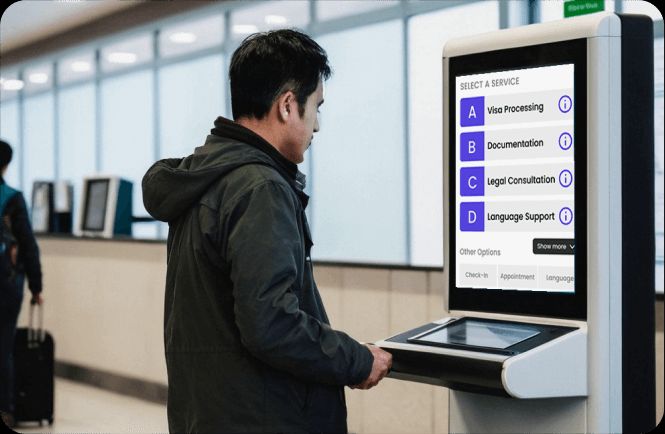
Kiosks handle ticketing, basic form submissions, and document scanning without requiring staff involvement. For high-volume departments processing hundreds of visitors daily, this shift is meaningful. Staff focus on complex cases while kiosks clear the simple stuff.
Basic transactions that once took 5 minutes of staff time now take 90 seconds of self-service time. That math matters when you’re serving 400 people a day.
Biometric & Face Recognition Check-in
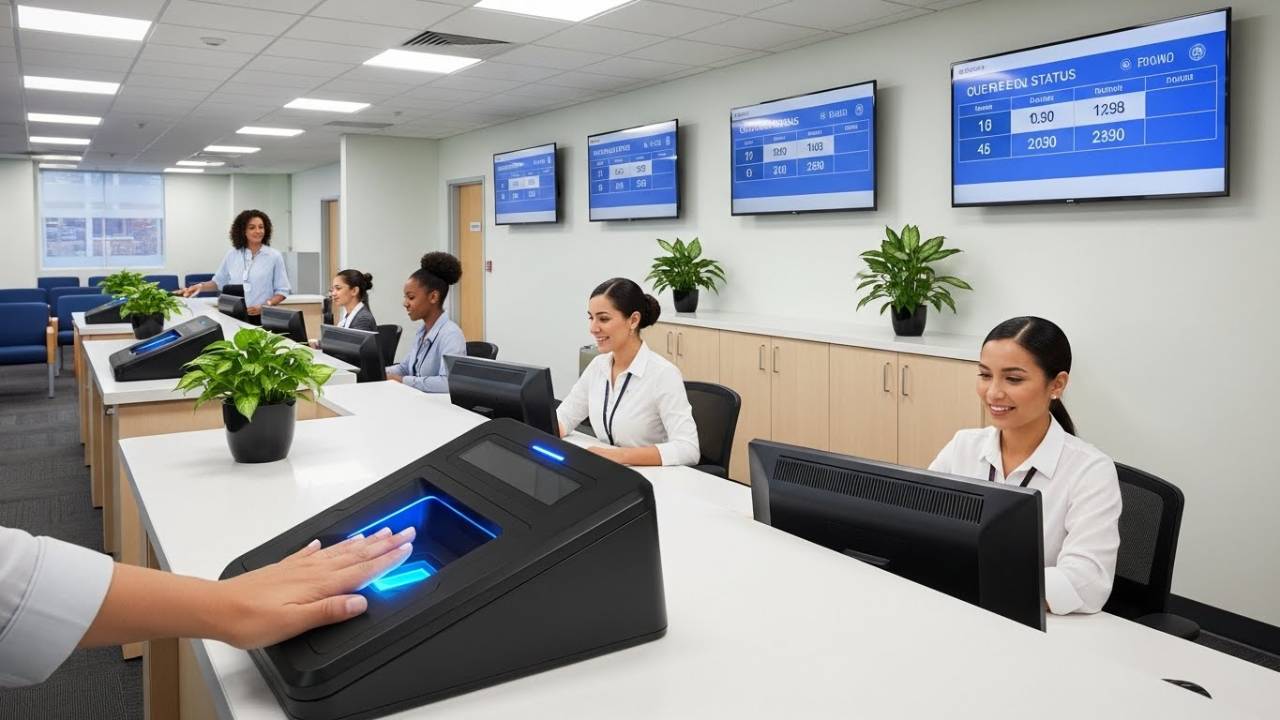
Biometric verification speeds up the check-in process and reduces identity-related errors. For departments that require high compliance—like licensing, permits, or benefits enrollment—this layer of security makes operations both faster and safer. The verification that used to take 3-4 minutes now takes under 30 seconds.
The Real Impact: What Modern Queue Systems Deliver
The benefits aren’t theoretical. Agencies that modernize their queue systems see measurable improvements within weeks—not months or years.
Faster Service, Smoother Days, Happier Citizens
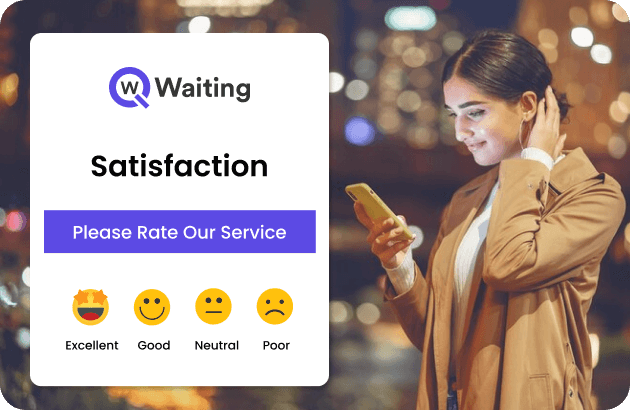
Average wait times drop noticeably when citizens can join queues remotely and staff can route people more efficiently. Public satisfaction scores improve directly. People notice when their time is respected, and they remember the difference.
Stronger Productivity Across Public Service Teams
Staff productivity jumps when people aren’t managing crowds all day. Workload distribution becomes more even across counters. Burnout decreases. Morale improves. These changes compound over time—the better your system works, the better your team performs.
What’s interesting is the feedback loop: happier staff deliver better service, which makes citizens happier, which makes the job less stressful for staff. It’s a cycle worth investing in.
Analytics That Drive Policy and Operational Decisions
Smart queue systems generate data that most offices have never had access to. You can predict peak hours with accuracy. Staff planning becomes strategic instead of reactive. Service volume tracking shows which departments are overloaded and which are underutilized.
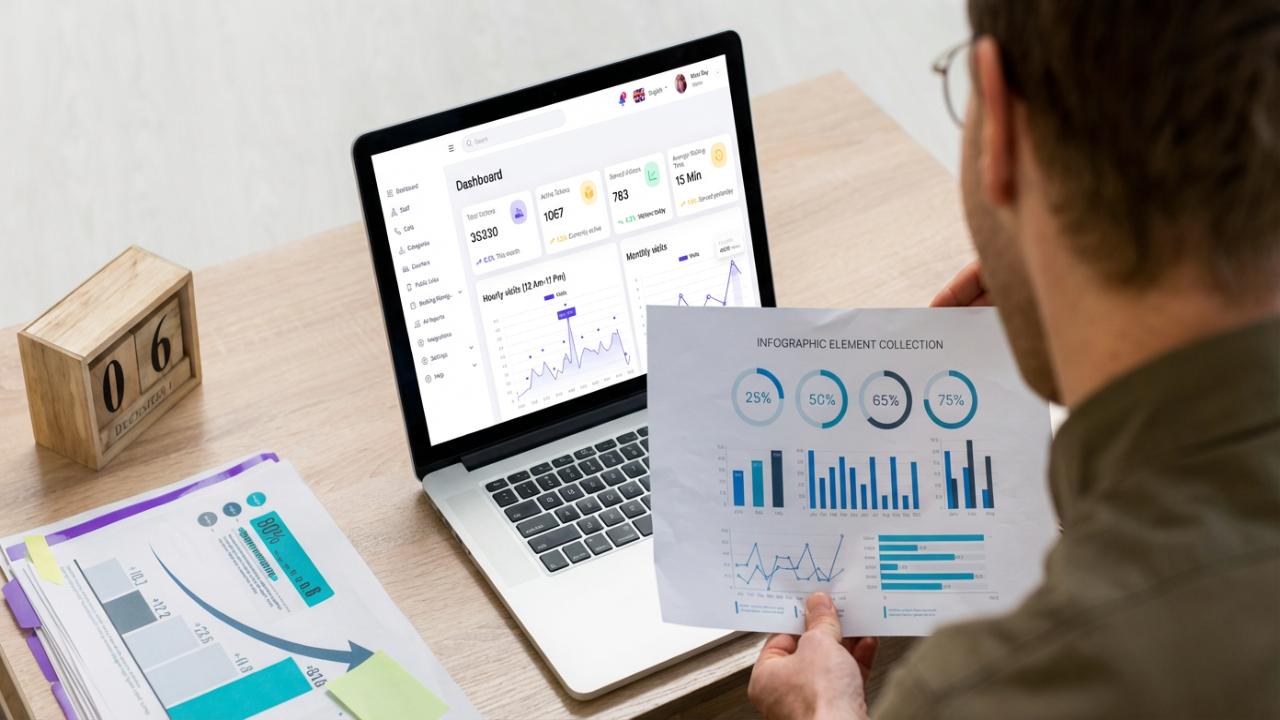
That data changes how leaders make decisions. Instead of guessing where to add staff or which services need process improvements, you know.
| Metric | Before Digital Systems | After Implementation |
| Average wait time | 47 minutes | 18 minutes |
| Daily service capacity | 280 citizens | 420 citizens |
| Staff utilization | 62% | 87% |
| Citizen satisfaction | 54% | 89% |
| No-show rate | 23% | 8% |
Enhanced Transparency & Trust
Predictable wait experiences change how citizens view public services. Real-time status updates reduce complaints before they start. When people feel informed and respected, trust builds. That trust matters more than most leaders realize—it’s what turns frustrated citizens into patient ones.
Must Read: How Qwaiting Transformed DMV Queues: From 2-Hour Waits to 12-Minute Service
Building the Future of Citizen Services — Starting Today
The shift from outdated queue systems to modern citizen service platforms doesn’t happen overnight. But here’s what matters: it doesn’t have to.
What Government Leaders Must Prioritize
Start by moving from fragmented tools to unified citizen experience platforms that handle the full journey. Choose systems that scale—solutions that work for one location should work for 50. And center everything around accessibility and inclusivity. If your digital transformation leaves people behind, it’s not a transformation.
How to Start the Transformation Smoothly
Begin with one department. Test, learn, adjust. Then expand gradually. Use your early analytics to decide which services need digital adoption first. And don’t skip staff training—technology only works when the people using it understand why it matters and how to make it work.
In my experience, the offices that succeed are the ones that treat implementation as a change management project, not just a tech upgrade.
Common Misconceptions That Slow Down Digital Progress
“Digital queues are only for big cities.” Not true. Small municipalities see proportionally larger benefits because they’re starting from more manual processes.
“Citizens won’t adapt to new systems.” Also not true. People adapted to mobile banking, online shopping, and app-based everything. They’ll adapt to a queue system that respects their time.
“Implementation is expensive and complex.” Some solutions are. But the cost of doing nothing—in lost productivity, citizen frustration, and staff burnout—is higher.
Implementation Risks Leaders Should Avoid
Don’t choose tools that can’t integrate with your existing systems. Poor change management kills more digital transformations than bad technology. And skipping accessibility requirements doesn’t just create compliance problems—it creates service gaps you’ll spend years trying to fix.
A Vision for the Future of Public Services
Picture fully integrated government queue management systems where citizens pre-register remotely, smart displays guide them through complex buildings, and predictive staffing algorithms ensure the right people are in the right place at the right time. Add AI-powered visitor flow management and seamless integration with government apps.
That’s not science fiction. It’s what agencies are building today.
“Three years ago, citizens dreaded coming to our offices. Today, they tell us we’re easier to work with than their cable company. That shift didn’t happen because we got friendlier—it happened because we got smarter about managing service flow.” — Director of Public Services, Dubai Municipality
Conclusion
Government office queue systems don’t have to be the source of frustration they’ve been for decades. Smart queue systems for government offices, virtual queuing, appointment scheduling, and digital signage aren’t luxuries—they’re necessities for agencies serious about serving citizens better.
The gap between citizen expectations and government service delivery is closing. Not because expectations are dropping, but because the tools to meet them finally exist.
Qwaiting helps public agencies modernize citizen service flow with solutions built for the complexity of government operations. From DMV queue management software to city hall queue management systems that handle hundreds of daily visitors, the platform scales to fit your needs.
Ready to see what modern queue management looks like in action? Explore how digital tools for government services can transform your operations—and give your citizens the experience they deserve. Book a demo with our expert today!
