
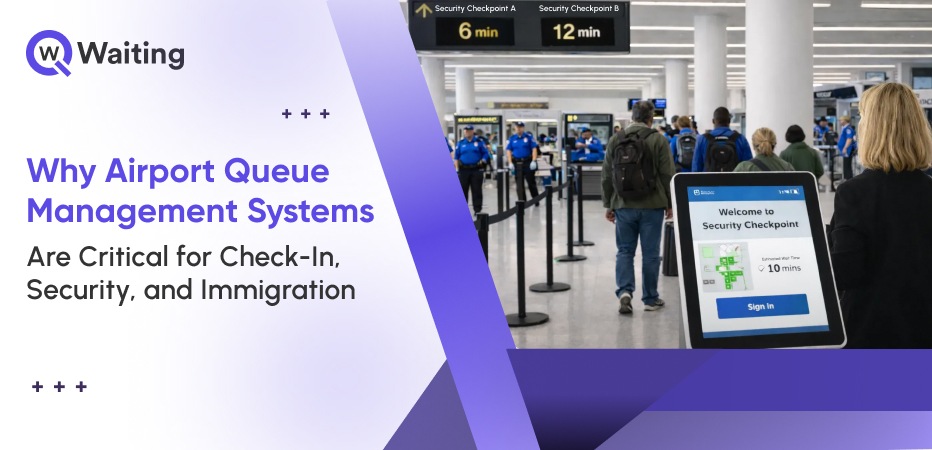
Airports usually think they are doing a good job if planes leave on time. However, a lot of work happens on the ground to make that happen. Thousands of people have to move through security, check-in, and customs quickly. These areas are all connected like links in a chain. If one area gets slow or backed up, it causes problems for every other part of the airport.
Sometimes, too many planes land at once, the weather gets bad, or there aren’t enough workers on duty. Most airports still try to fix these problems using old methods from twenty years ago. They use simple signs and wait until a line is already too long before they try to help. This old way of working does not fit the busy world we live in today.
New technology is changing how airports handle these crowds. These modern systems do more than just make lines shorter. They help managers see exactly what is happening everywhere at once. This helps keep everyone safe, even when the airport is very crowded. Controlling the flow of people is now a major part of how an airport stays organized. It is no longer just a nice thing to have; it is a necessary tool for the airport to work correctly.
Airports Don’t Fail at Security — They Fail at Flow
Security fails when screening areas become too messy and crowded. Confusion and rushing create stress for everyone. This chaos makes it harder to stay safe and leads to dangerous mistakes. These conditions don’t just frustrate passengers. They introduce risk.
Queue management is where security starts, not where convenience begins.
Long Lines Create Blind Spots, Not Just Delays
Overcrowded security queues aren’t just slow. They’re dangerous. When passengers bunch up in unstructured lines, officers lose situational awareness. Monitoring behavior becomes harder. Threat detection requires focus, and chaos dilutes that focus.
Unmanaged buildup also creates secondary risks. Crowd pressure increases confrontations. Passengers try to switch lanes, bypass ropes, or push forward. Officers spend more time managing behavior than watching for actual threats. Normal congestion starts to look like disorder — and real anomalies get buried in noise.
When Passenger Flow Breaks, Everything Downstream Breaks
Security isn’t isolated. It sits between check-in and immigration — and when it backs up, the entire terminal suffers. Passengers miss connections. Immigration counters see sudden surges. Gates get crowded. Airlines delay boarding because people are still stuck in screening.
This isn’t a departmental issue. It’s a system failure. Fixing security alone doesn’t work if check-in is flooding the queue or if immigration can’t absorb the outflow. Airports that treat each checkpoint as separate will always be one disruption away from collapse.
Peak Hours, Disruptions, and the Real Test of Airport Readiness
Old systems look fine until something goes wrong. If a scanner breaks or many planes land at once, the airport quickly loses control. Smart airport queue systems help by changing lanes and moving staff in real time. This keeps things organized even during a surprise rush. Adaptability is now necessary to keep an airport running smoothly.
For a deeper look at how smart systems help airports manage peak travel demands and avoid cascading delays at check-in, security, and boarding, see:
Check-In Chaos is the First Sign of a Broken Airport Experience
Check-in sets the tone for everything that follows. If passengers start their journey stressed, confused, or delayed, that frustration carries through security, immigration, and boarding. It’s not just a service issue. It’s the entry point to the entire flow system.
When check-in breaks, the downstream impact is immediate and measurable.
Manual Check-In Lines Waste Time Before the Journey Begins
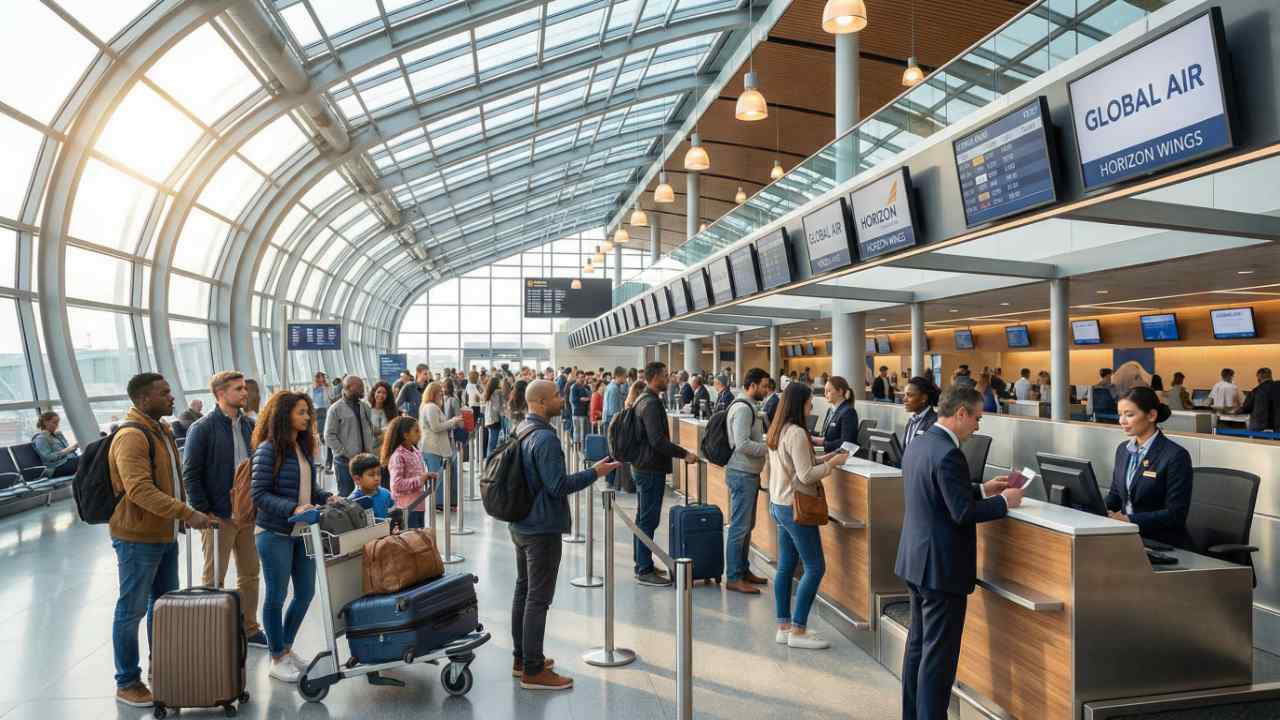
Peak-hour check-in counters are bottlenecks by design. Fixed desks, manual staffing, one-size-fits-all queues. Business travelers are stuck behind families. Frequent flyers wait behind passengers who need baggage explanations and seat assignments.
Self-service kiosks help, but they don’t solve flow. Passengers still cluster. Queues still form. And when a system goes down, or a flight gets retimed, chaos returns instantly.
Passenger Differentiation Starts at Check-In
Not all passengers need the same level of service. Business travelers want speed. Families need assistance. Groups require coordination. Special-needs passengers need early processing.
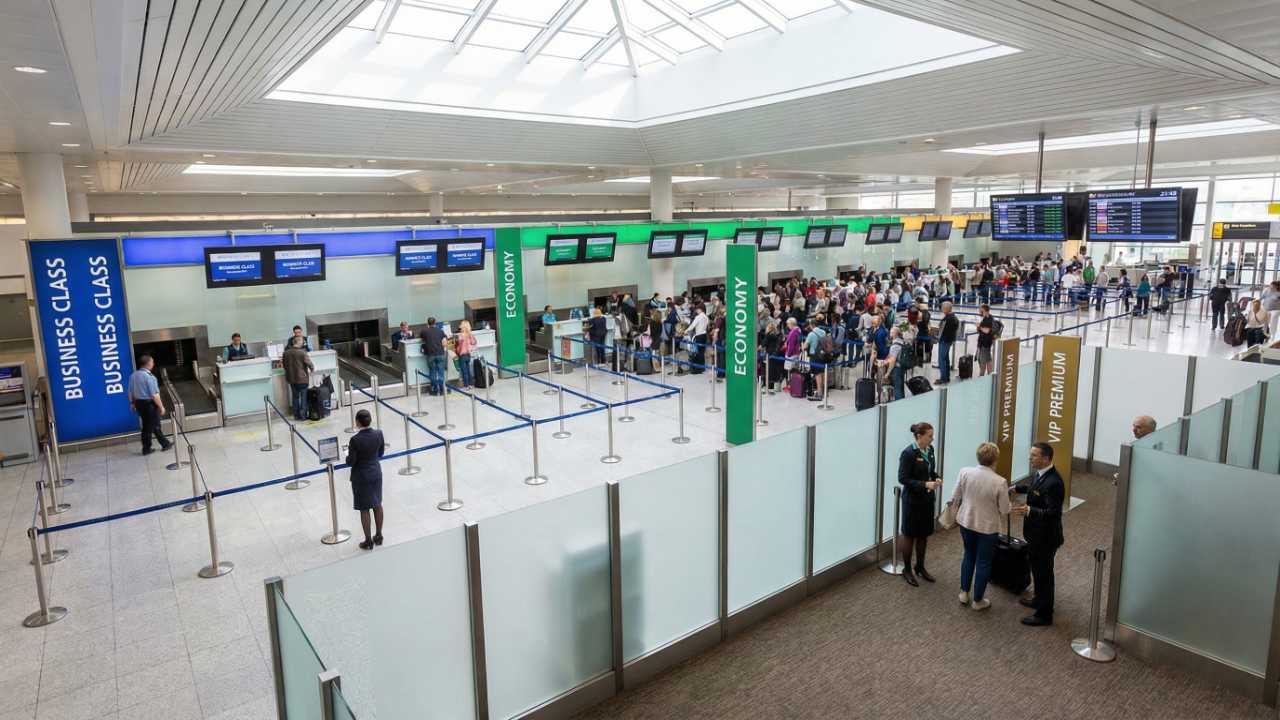
Segmenting check-in queues by passenger type improves experience and efficiency. Business lanes move fast. Family lanes take time without slowing everyone else. Premium passengers get routed appropriately without manual intervention.
Controlled Check-In Flow Protects Security and Immigration
Check-in isn’t isolated from the rest of the terminal. When passengers are processed in uncontrolled waves, they flood into security all at once. Lines spike, screening slows, immigration sees delayed surges.
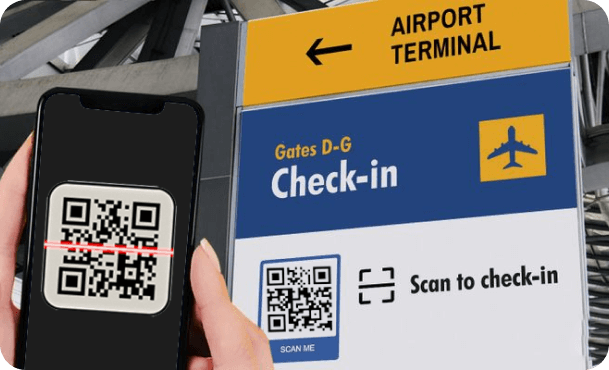
Orchestrated check-in creates a predictable outflow. Security can prepare for arrivals. Immigration knows when to expect international passengers. Airlines coordinate with airport operations instead of creating surprise bottlenecks.
Security Screening Needs Order, Not Just More Officers
Hiring more staff will not fix long lines if the crowd is messy. Officers can only work as fast as the people reaching them. If the line is unorganized, even a full team will be slow. Good queue management organizes the flow early. This helps the security team work much better and faster without needing more people.
Structured Queues Reduce Risk Before Screening Even Begins
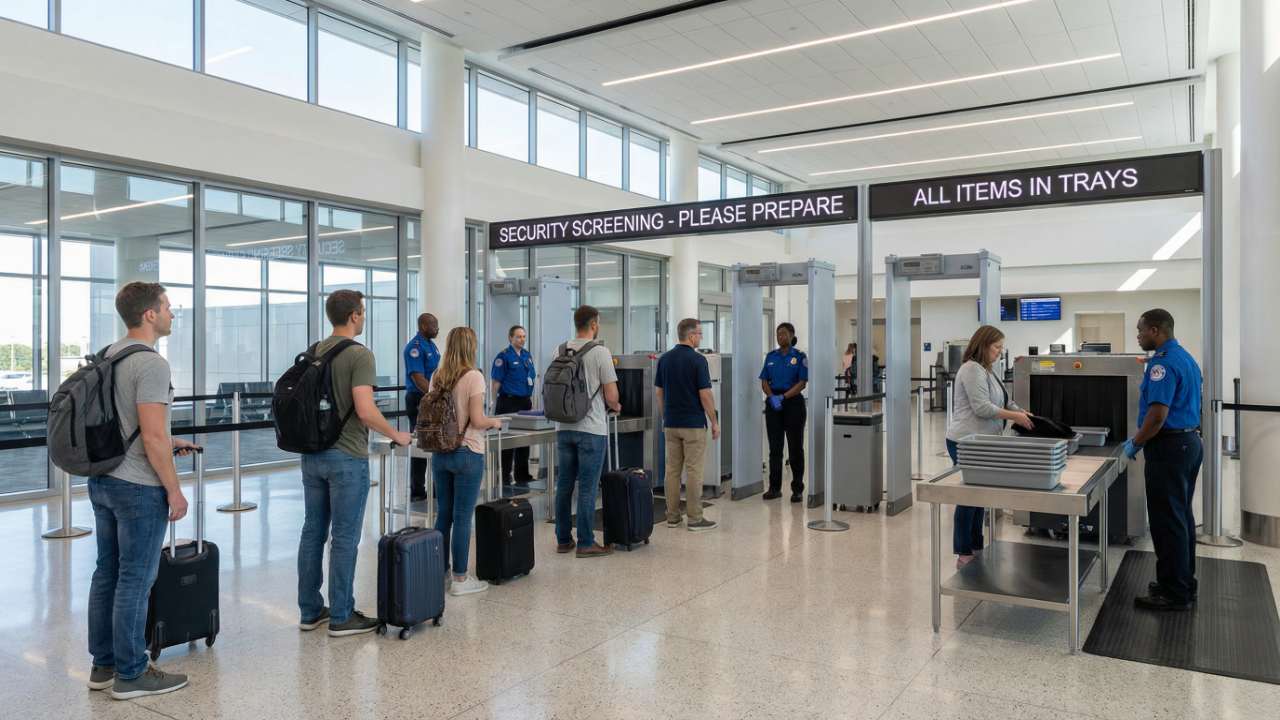
Security starts in the queue, not at the checkpoint. Structured passenger flow prevents surges, reduces lane-switching, and creates a predictable rhythm. Officers can focus on screening because the environment around them is stable.
Calm queues also improve compliance. Passengers follow instructions better when they’re not stressed, confused, or trying to navigate a crowd. Clear signage, visible lane assignments, and fair progression reduce friction before anyone reaches the conveyor belt.
Here’s how unmanaged security lines are more difficult to handle and have more security risks than the orchestrated queues
| Factor | Unmanaged Lines | Orchestrated Queues |
| Passenger behavior | Unpredictable, lane-switching is common | Structured, orderly progression |
| Officer workload | Split between crowd control & screening | Focused on screening |
| Processing consistency | Varies by lane pressure | Balanced across all lanes |
| Stress-related incidents | Higher | Significantly lower |
Risk-Based Passenger Segmentation at Security Checkpoints
Not all passengers carry the same risk profile or processing requirements. Families need more time. Business travelers with PreCheck should move faster. Crew members, VIPs, and transit passengers each require different handling.
Manual segmentation doesn’t scale. Officers making judgment calls in real time introduces inconsistency and delays. A digital aviation queue system automatically enforces segmentation, routing passengers based on clearance level, destination type, or traveler category without requiring staff intervention.
Real-Time Visibility for Security Command Centers
Security managers can’t fix what they can’t see. Without live queue data, they’re operating blind, reacting to complaints or visible crowding instead of anticipating pressure before it builds.
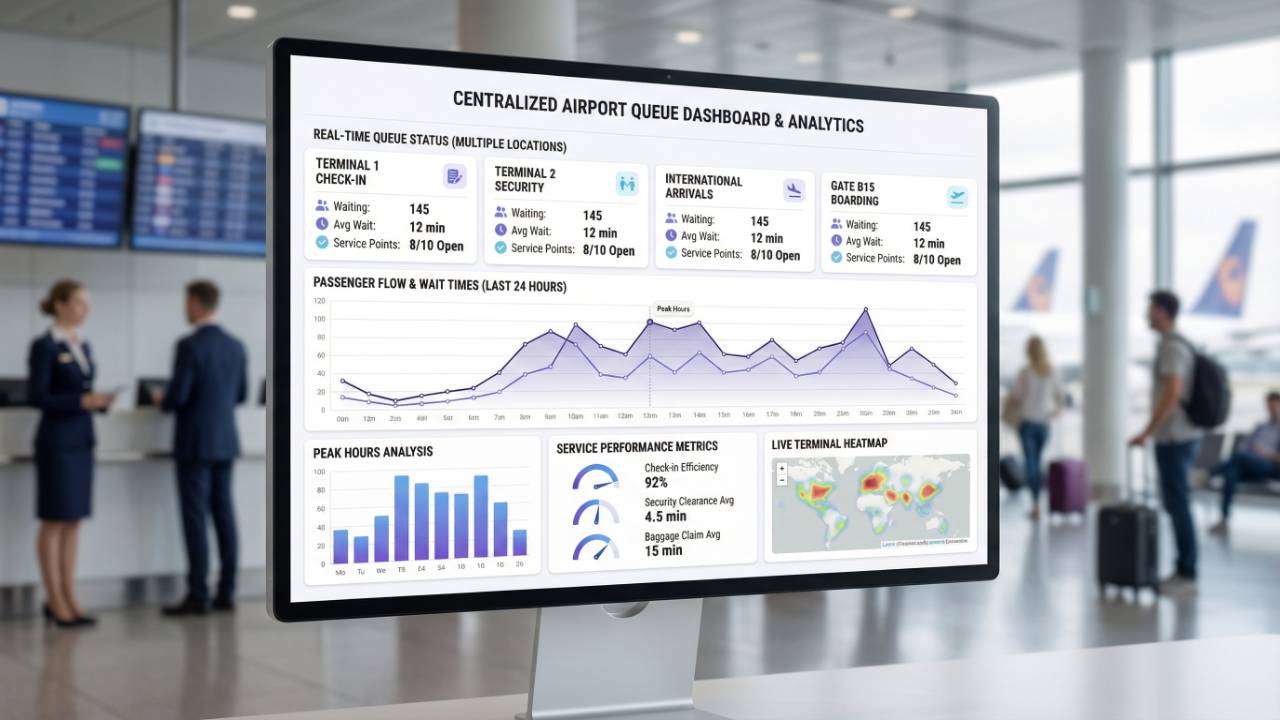
Real-time dashboards show queue length, wait times, and lane utilization across every terminal. Command centers can spot trouble early: a scanner malfunction creating a backlog, one lane overloaded while others sit idle, or an unexpected passenger surge from a delayed international flight.
Data-driven decisions replace guesswork. Staff get redeployed to the right lanes at the right time. Lanes open or close based on actual demand, not shift schedules.
Here’s what Saudia Airlines Airport Operations Leader said after installing Qwaiting’s Airline queue management system to control crowd movements:
“Before we had queue visibility, we were always five minutes too late. By the time we saw the line, it was already a problem. Now we see the buildup forming and move staff before passengers even notice the delay. That’s the difference between managing flow and managing damage.”
Reducing Staff Stress and Decision Fatigue
Chaotic queues don’t just frustrate passengers. They burn out officers. Managing an unruly crowd while trying to maintain screening accuracy is cognitively exhausting. Decision fatigue sets in. Focus drops. Mistakes happen.
Predictable flow environments reduce that pressure. Officers aren’t constantly making judgment calls about who goes where or managing conflicts over lane access. The queue system handles routing. Security teams handle screening.
Better conditions mean better performance. Lower turnover. Fewer confrontations. More accurate threat detection.
Immigration is Where Queues Become a Compliance Issue
Immigration isn’t customer service. It’s border control. Wait times matter, but accuracy and accountability matter more. Every passenger processed represents a legal decision, a record, and potential risk if handled incorrectly.
Queues at immigration aren’t just about efficiency. They’re about maintaining security standards under sustained pressure.
Immigration Delays Are Not Just Inconvenient — They’re Risky
Long immigration queues create operational and political pressure. Border agencies face compliance scrutiny. Officer fatigue leads to processing inconsistencies. International hubs risk reputational damage when passengers spend an hour waiting to enter the country.
But rushing to clear backlogs introduces a different risk:
- Errors
- Missed documentation
- Inadequate questioning
Passengers waved through because the line was too long. Speed without control is worse than delay.
Here’s a comparison table of acceptable vs actual immigration wait times:
| Passenger Type | Target Wait Time | Actual Wait Time (Peak Hours) | Compliance Risk |
| Citizens | < 10 minutes | 15–25 minutes | Low (public dissatisfaction) |
| Residents | < 15 minutes | 30–45 minutes | Moderate (procedural shortcuts) |
| Visa holders | < 20 minutes | 45–60+ minutes | High (processing errors) |
| Transit passengers | < 10 minutes | 20–40 minutes | Moderate (missed connections) |
Smart Queuing Enables Fair, Fast, and Auditable Processing
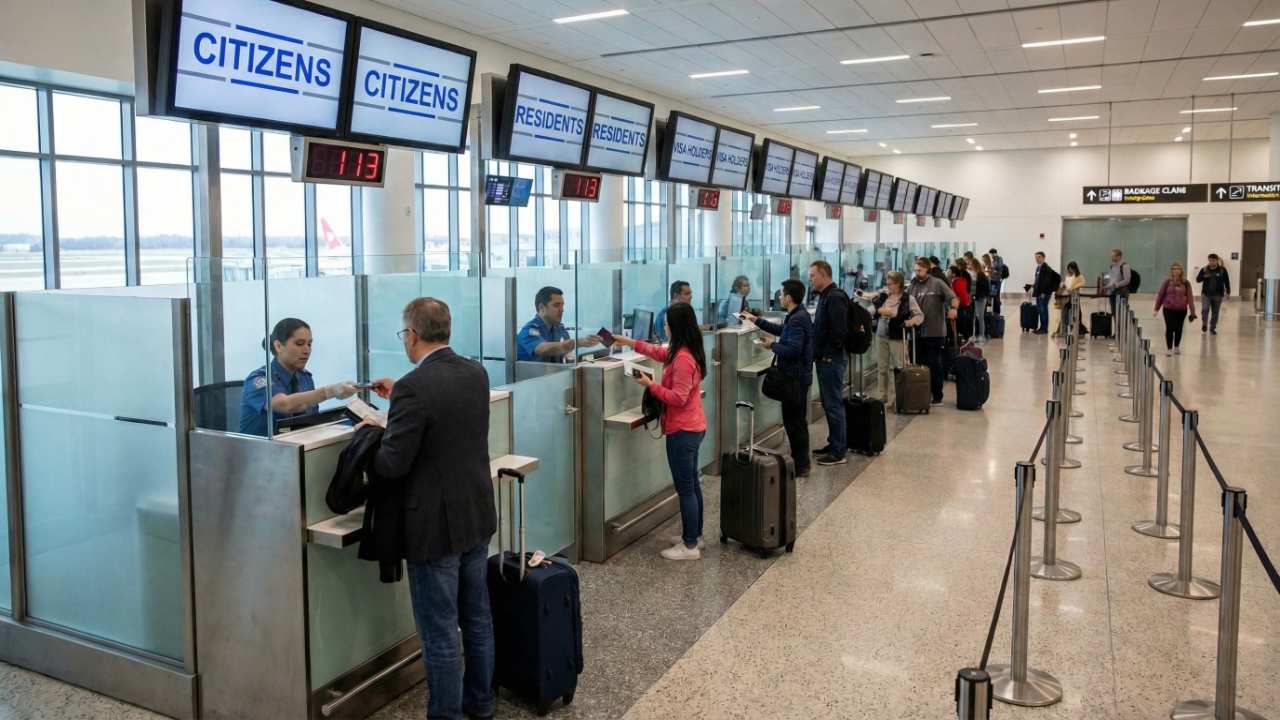
Immigration officers need two things: clear priorities and controlled flow. A smart queue system provides both. Citizens, residents, visa holders, and transit passengers are automatically segmented and routed to appropriate counters.
Digital call-forward prevents counter congestion. Instead of passengers crowding around desks, they’re summoned individually when an officer is ready. This maintains order, reduces intimidation for nervous travelers, and gives officers breathing room between interviews.
Every interaction is logged. Queue data creates an auditable trail: who was processed, when, and how long it took. If questions arise later, there’s a record.
Managing Peak Immigration Surges Without Compromising Control
3 long-haul flights landing within 20 minutes creates instant pressure. Hundreds of international passengers flood the immigration simultaneously. Without flow orchestration, counters get overwhelmed. Lines snake through the terminal. Officers rush. Standards slip.
Smart airport queue management absorbs surges by redistributing load dynamically. Counters open based on real-time demand. Passenger types are balanced across desks.
Here’s what Changi Airport, Singapore, noticed after successfully implementing Qwaiting’s queue management system:
Although Changi is an exceptionally beautiful airport, it faced challenges in managing bookings and traveler flow in 2018.
- Wait time surges during peak hours
- Counter utilization: unbalanced (some idle, others swamped)
- No booking software for prior reservations
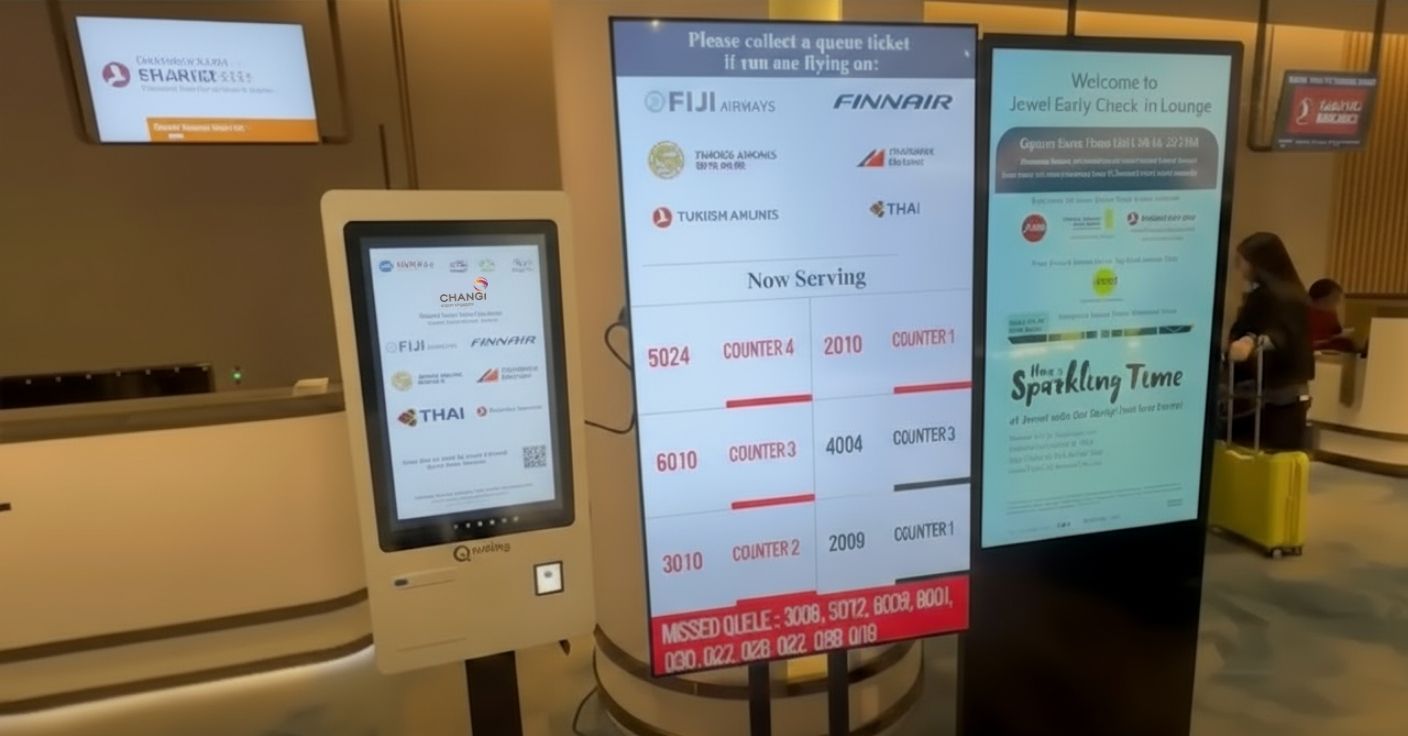
After implementation:
- Reduced waiting queues by 45%
- Self-booking of the restroom
- Track of check-in and check-out
- Improved staff productivity by 28%
If you also want to know how airports around the globe are transforming their passenger journeys by automating their routine operations, you must read our blog:
How Airports Are Cutting Wait Times with Digital Queue Management
The Real Cost of Ignoring Airport Queue Intelligence
Airports that don’t measure queue performance can’t manage it. Without data, every decision is reactive. Staff are deployed based on schedules, not demand. Bottlenecks are discovered when passengers complain. Performance reviews rely on anecdotal evidence instead of metrics.
That’s not operational control. It’s hope disguised as management.
What Airports Lose Without Queue Data
No visibility into peak risk periods means security can’t prepare. Reactive staffing decisions lead to either overstaffing (wasted budget) or understaffing (service failures). And when audits, incidents, or complaints arise, there’s no defensible record of what actually happened.
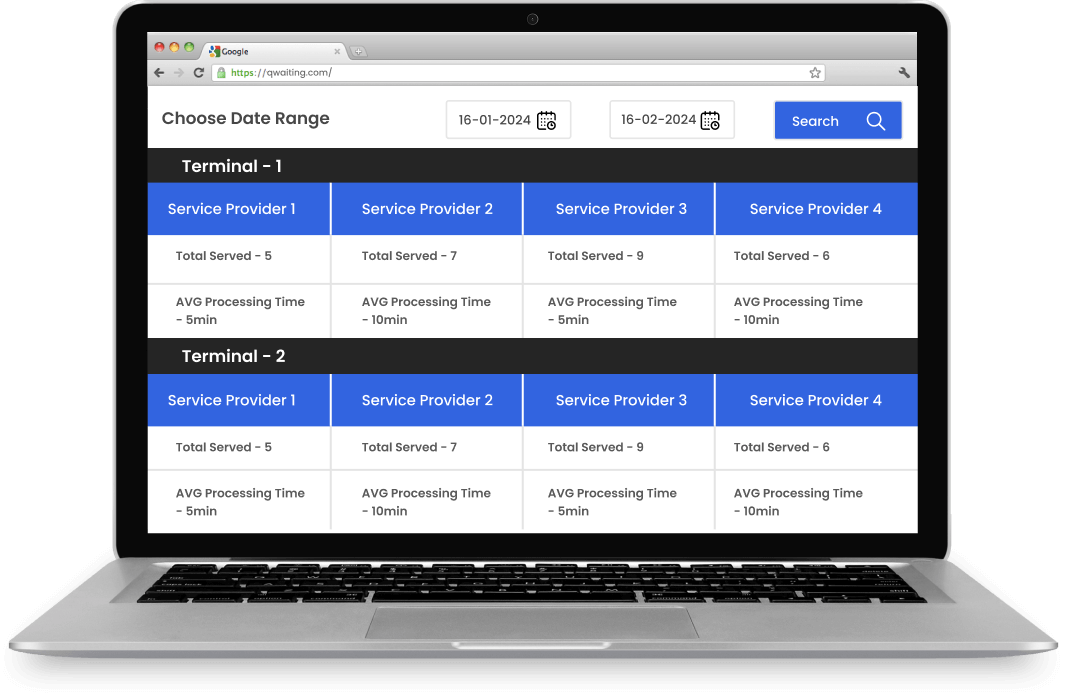
Queue data isn’t just operational, it’s evidentiary. If a security breach occurs, investigators will ask: Was the checkpoint under pressure? Were wait times excessive? Was staffing adequate?
Without data, airports can’t answer those questions.
Data Ownership, Accountability, and Inter-Agency Alignment
Airports, airlines, and border agencies all manage parts of the passenger journey, but they rarely share a unified view of flow. Security sees checkpoint data, immigration tracks processing times, airlines monitor check-in. None of them sees the full picture.
Queue management systems create one source of truth. Shared metrics across departments eliminate finger-pointing and enable coordinated decisions. When everyone works from the same data, accountability becomes clear.
Key metrics tracked in real time:
- Check-in wait time by airline and terminal
- Security screening throughput per lane and peak period
- Immigration processing time by passenger type
- Queue density alerts flagging congestion before it escalates
- Staff utilization rates show deployment efficiency
- Passenger flow velocity across the entire terminal
One dashboard, shared visibility, coordinated response.
Why Leading Airports Treat Queue Management as Core Infrastructure
Passenger traffic is growing. Threats are evolving. Operational margins are shrinking. Airports can’t absorb future demand with yesterday’s queue systems.
Leading hubs don’t see queue management as an IT project or a customer service upgrade. They see it as critical infrastructure, the foundation for security, compliance, and scalability.
Reactive queue management keeps things running. Predictive orchestration keeps things controlled.
Conclusion
Airports don’t manage lines. They manage risk, trust, and national gateways. Every queue represents a decision point: security screening that must be thorough but not paralyzing, immigration control that must be rigorous but not glacial, check-in that must be efficient without creating downstream chaos.
Static queues collapse under pressure. Smart queue orchestration absorbs it. The difference isn’t technology. It’s control, knowing what’s happening, where bottlenecks are forming, and how to respond before passengers or operations suffer.
Modern airport queue management systems aren’t about convenience. They’re about maintaining operational integrity when it matters most. Because in airports, there’s no such thing as an acceptable failure.
If you also want to simplify your customer journey and manage staff load, Qwaiting is your top choice. Book your 14-day free trial today and see the difference yourself.