
Most companies think checking in visitors is just a simple job for the front desk. However, leaders soon realize it is much more important when a security problem happens or when the office gets too crowded. Managing visitors is actually about keeping the building safe and making the company look professional. It also helps the business collect useful information about who is coming and going.
The right visitor management software (VMS) must work well across all locations no matter how many branches a business has. If the system is too complex, it will break or become a problem later on. This means the company will have to waste money replacing it very soon. Before your business invests in a visitor registration software, you should look closely at how a system handles data and safety before you decide to buy it.
Why Visitor Management Is Now a Boardroom Conversation (Not a Front Desk Problem)
Visitor management is now about more than just office supplies. It focuses on safety, following rules, and making a great first impression to show that a company is professional. Here’s how in 2026, having an automated check-in system for visitors is no longer an option, but a necessity:
The Hidden Cost of “Just Signing In”
Paper logs and basic tools fail when real problems happen. If there is a security breach or a surprise inspection, messy records cause big trouble. Slow manual work also creates long waits and confused visitors. These issues happen every day in offices that do not take safety seriously. Eventually, these small mistakes turn into big risks for the bosses.
Studies show that using paper sign-in sheets can take up to ten minutes for every guest. This old method is slow and provides the company with no useful data. New digital systems make checking in much faster and take less than one minute. This saves a lot of time for the office staff to do other important work.
First Impressions Are Now a Business Metric
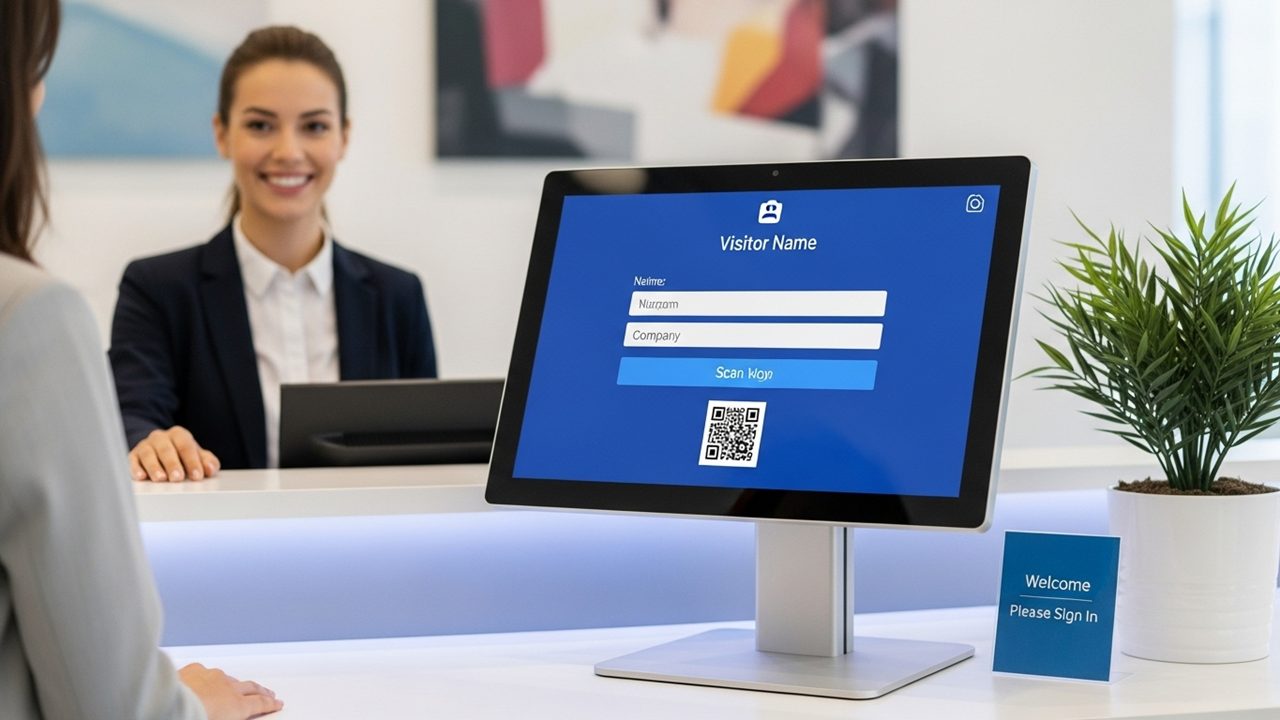
Guests judge a whole company by how they are treated in the lobby. A messy check-in makes a business look unorganized to important partners and new hires. A fast and easy process shows that the company is smart and professional. First impressions are very important, so leaders must use modern systems to make sure every guest feels welcome and safe.
A fast, guided check-in experience signals operational maturity, especially when supported by digital signage and intelligent queue flows that shape the visitor journey from the moment they walk in.
The Real Business Problems a Visitor Management System Must Solve
The right system does more than replace paper. It fixes big problems like bad security and slow work. You need a strong foundation, not just a simple tool. Here’s how the visitor booking system solves operational issues that manual registers cannot:
Security, Compliance, and Accountability — Without Slowing People Down
In high-security offices, checking visitor IDs is a must. Rules say that records must be clear, honest, and safe from changes. Systems that do not talk to each other create dangerous gaps during safety checks. Leaders need one reliable system that is both fast and secure. A good system closes gaps instead of making new ones for the company.
Operational Efficiency Across Teams and Locations
Front desk teams should not have to do every small task manually. It is hard to manage many buildings if every office does things differently. Messy systems make growth feel like chaos. A good visitor identification system stops these delays and makes work easier for everyone. This ensures that as a company grows, everything stays organized and simple to manage.
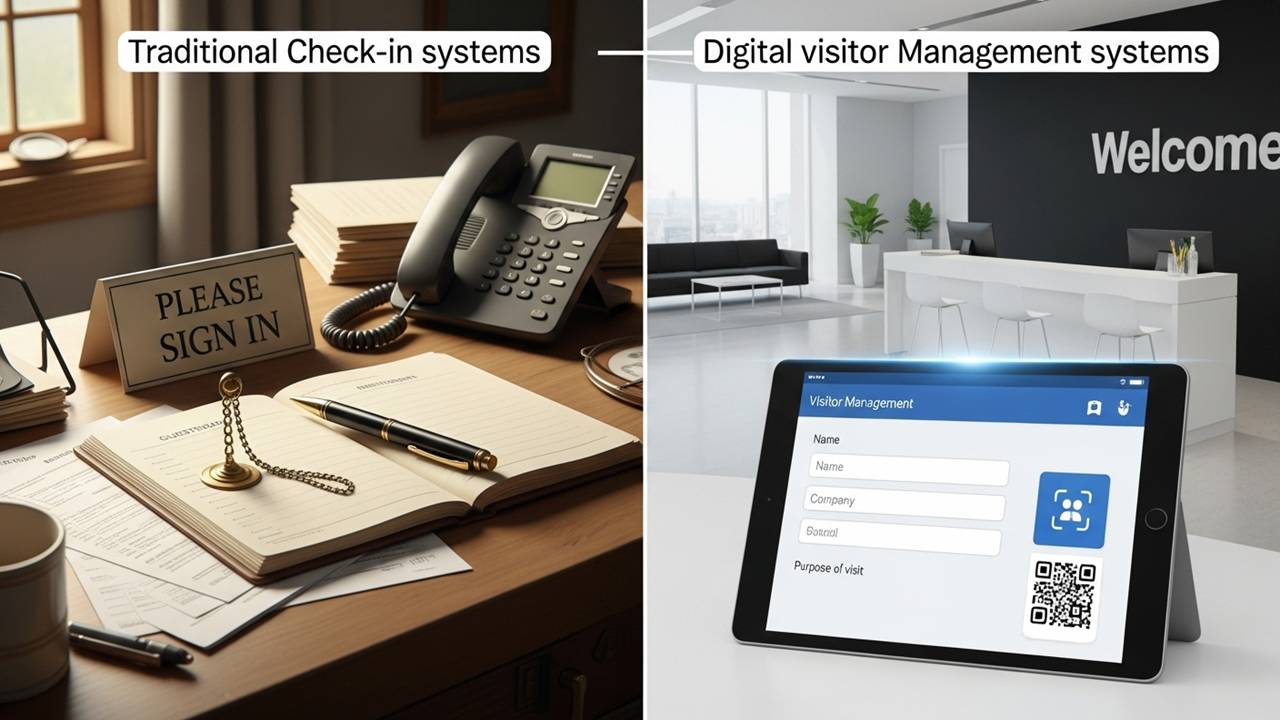
Here’s a simple comparison of how modern visitor management systems help businesses operate more efficiently:
| Aspect | Manual/Paper Logs | Digital Visitor Management System |
| Security Risk | No ID verification, poor audit trails | Identity verification, real-time alerts |
| Compliance | Incomplete records, hard to retrieve | Complete logs, instant reporting |
| Time per Visitor | 8–12 minutes (manual entry, calls) | 1–3 minutes (self-service, automation) |
| Scalability | Breaks under volume or multi-location | Scales seamlessly across sites |
| Data & Insights | None—just paper | Visitor trends, peak hours, compliance gaps |
Why Industry Context Changes Everything
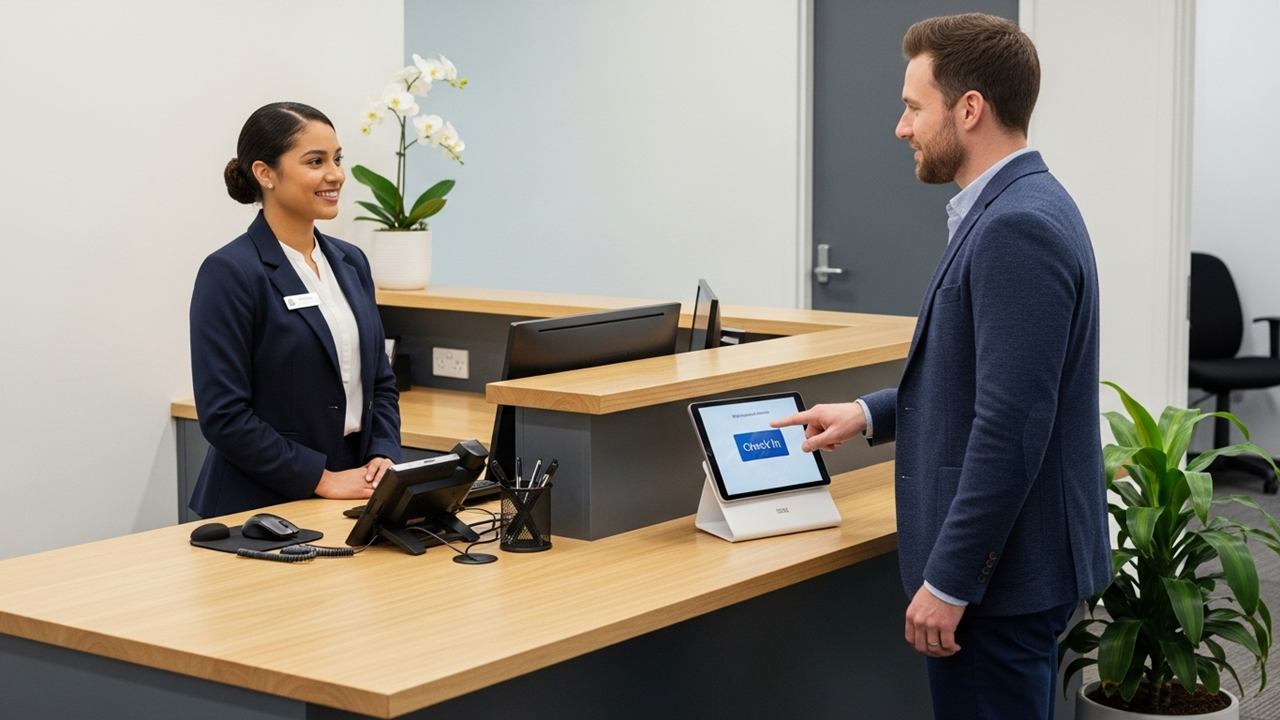
Different industries, like hospitals and offices, have different needs for their guests. Some need speed, while others need very strict safety rules. A basic system will fail because it cannot change for each situation. You need a platform that is flexible. If the system cannot adapt to your specific rules, it will only cause more work for you.
Features Are Easy to Buy — Outcomes Are Not
Digital check-in systems do more than just print badges. Leaders want tools that actually lower risks and make work faster. The best software helps admins make smart decisions for the company.
Here’s what to check:
What Most Vendors Sell vs What Leaders Should Demand
Sales demos often focus on easy features. However, the real test is how a system works during busy times or emergencies. Using many small tools creates messy data and extra work. Leaders should watch out for systems that cannot grow with the company. It is better to choose a strong platform that stays reliable even when things get difficult. Leadership should demand platforms that grow with complexity, not tools that cap out when things get serious.
Capabilities That Actually Deliver Measurable Impact
- Signing people in early stops the lobby from getting crowded.
- Quick alerts let staff members know exactly when their guests arrive.
- A good system shares data automatically between computers and doors.
- It must work perfectly whether you have one office or a hundred.
If a system cannot do these things easily, it will cause big problems and cost more money later.
You can compare different software capabilities and make smart choices to know which system suits your business requirements the most. Visual Concept: Visitor Management Capability Maturity
- Basic: Digital logbook (replaces paper, minimal automation)
- Smart: Pre-registration, notifications, badge printing
- Intelligent: Real-time analytics, compliance automation, integrations
- Integrated: Cross-location orchestration, leadership dashboards, predictive insights
From Visitor Logs to Leadership Intelligence
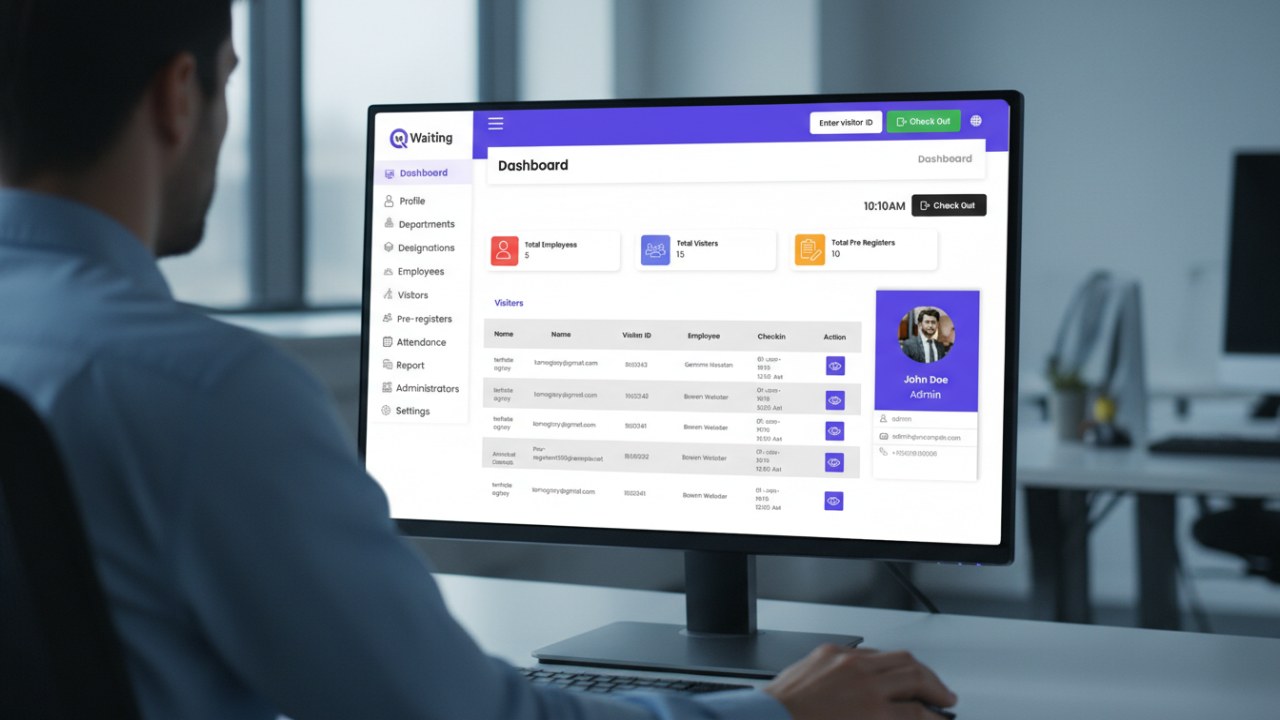
In the past, guest info was lost in paper files. Now, that data helps bosses make smart choices. It shows when the office is busy so they can hire enough staff. It also tracks wait times and safety trends. A great system turns simple lists into helpful reports. This helps leaders plan better, stay safe, and save time.
If you want to know in detail how guest management software helps promote trust and loyalty among customers, you must read our blog on:
A Detailed Guide to Visitor Management Systems for Secure and Scalable Entry
How to Evaluate a Visitor Management System Like a Leader
Choosing a visitor system is a big decision for the whole company. It must work for everyone and be scalable as business demands grow. Focus on long-term costs and total safety. Here’s what to evaluate in a system before its installation:
Questions Every Buying Committee Should Ask
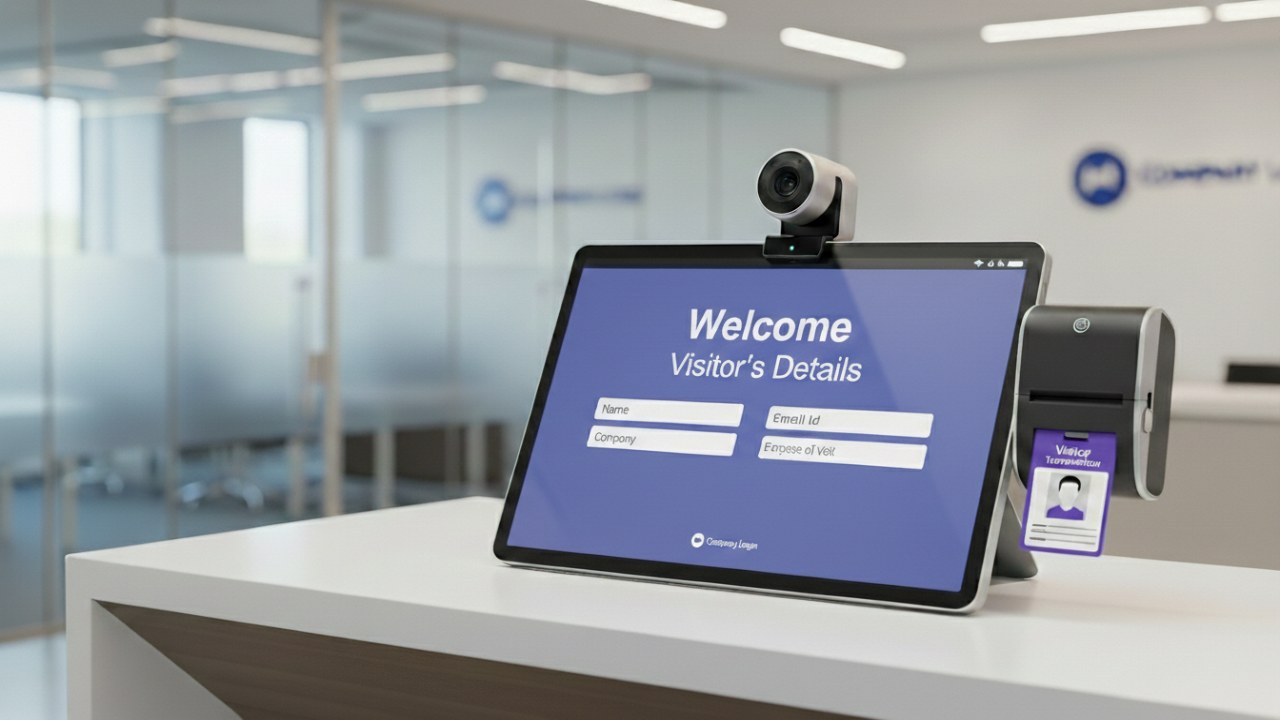
- A good system must work across many locations and fit different types of businesses without needing extra work.
- It should be easy for teams to learn so they can use it right away.
- Over time, the system should give leaders helpful data to make better plans.
- It also needs to stay strong and fast during busy times or emergencies.
These are the real challenges every company will eventually face. Platforms that handle them well prove it early.
Total Cost of Ownership vs Sticker Price
The starting price of a system is only one part of the cost. Setting it up, training staff, and fixing problems later can add up quickly. Systems often break as a company grows. This forces a business to spend more money to replace them after just one year. Leaders should look at the costs over 5 years to find the best deal. Leadership should evaluate ROI over 3 to 5 years, not just year one.
Calculating ROI is now easier than ever! Want to know how? Visit Qwaiting’s free ROI queue management calculator today and in just a few simple steps, download your reports instantly.
The following table shows the difference between paying a low price for software today and investing in a system that helps a business grow and stay safe over time.
| Evaluation Factor | Low-Cost Tool | Enterprise Platform |
| Initial Investment | Lower | Higher |
| Scalability | Limited—requires replacement | Built to grow with complexity |
| Integration Effort | Manual workarounds, fragmented data | Native integrations, unified data |
| Training & Adoption | Varies—often clunky UX | Intuitive, minimal training required |
| Long-Term ROI | Costly to switch or expand | Scales seamlessly, reduces future friction |
Change Management and Adoption Risk
Even the best system fails if it is too hard to use. The front desk, security, and staff need tools that are simple and fast. If a system is confusing, people will just go back to using paper or old methods. A tool that everyone can use right away is much better than a complex one that causes frustration. Adoption speed matters more than feature depth.
Buying Reality — Multiple Stakeholders, One Decision
Many different teams use a visitor system, so it must work for everyone. IT needs it to be safe, while operations want it to be fast. Security needs it to follow the rules, and guest teams want people to be happy. If a system is too rigid and complex, these teams will struggle to work together. A great platform changes to fit what the company needs so that every department succeeds.
The Decision That Shapes Every First Impression
Modern visitor management is about control, trust, and scaling safely. The right platform adapts to growth, closes security gaps, and turns data into intelligence. Choosing the wrong system creates technical debt that will need replacing within two years. A strong system is a long-term investment in your company’s professional image and operational safety.
Investing in a scalable, user-friendly system ensures that your organization remains secure, compliant, and professional as it grows. Ultimately, the right choice eliminates operational friction and transforms every first impression into a signal of competence and trust.
If every guest interaction reflects your brand, are you managing it strategically, or leaving it to chance?
Wait no more! Book your 2-week free visitor queue software with Qwaiting today and transform your business operations.