
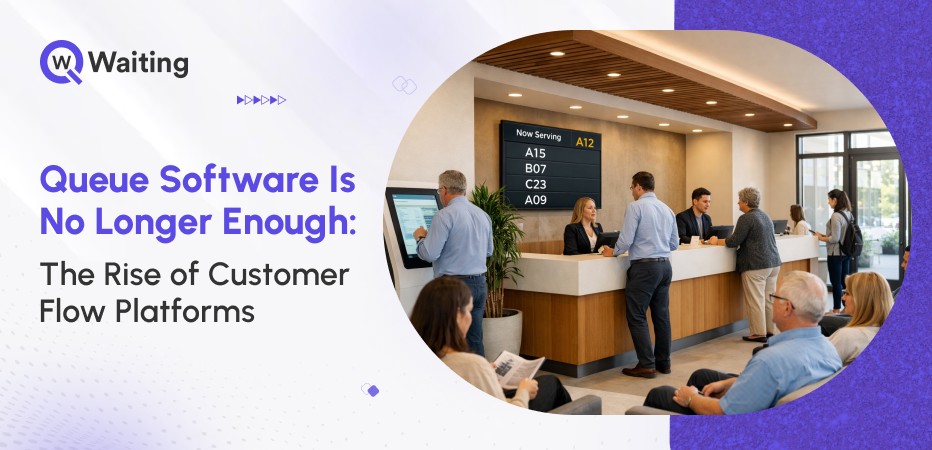
Most customers do not actually get angry because the wait is a few minutes longer than they expected. Instead, they get upset because they are confused. They hate not knowing what is happening while they wait. This feeling of being stuck and ignored is much worse for a customer than the actual time they spend waiting. When a business doesn’t give clear information, it causes more frustration than a slow line ever would.
You can get rid of long lines and still have unhappy customers. The goal is no longer just about managing a single line. Instead, the goal is to control how customers move through every part of a business, from the moment they arrive until they leave. Old computer software that only tracks lines is no longer enough for big companies.
Now, businesses need a smart customer flow management system that helps them work at a much higher level by looking at the whole customer journey instead of just one line.
What Traditional Queue Software Was Designed to Fix And Why It’s Now a Bottleneck
Line software helped fix crowded lines that people could see. The software worked very well for that small, specific task. But now these systems aren’t just enough for businesses. Here’s how:
The original promise of queue software

Old software organized physical lines and made digital lists. This helped staff members take turns and cleared out crowds. It worked well for simple tasks, like one counter and one line. The math was simple, and the software matched that simplicity.
How service environments quietly outgrew those systems
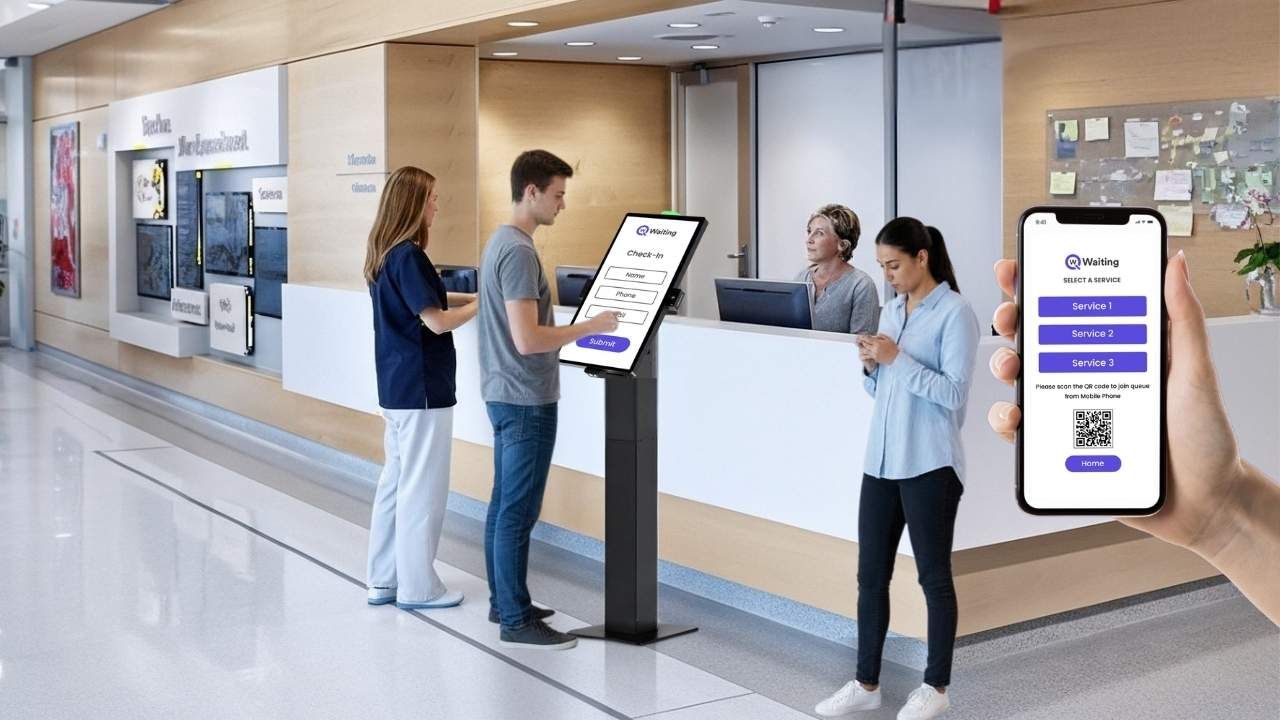
Now, customers arrive for appointments, while others just walk in. They check in using phones, kiosks, or the front desk. People move around between different counters and services. Waiting does not happen in just one line anymore. It happens in many small steps during the whole visit.
The blind spots leaders don’t see until performance drops
You cannot see where or why customers give up and leave. It is hard to tell if you have enough staff for the crowd. Data is scattered, so you do not know what causes your problems. By the time you see low scores, you are already losing money.
Traditional Queue Software vs. Today’s Service Reality
| Aspect | Traditional Queue Software | Today’s Service Reality |
| Scope | Single queue or counter | Multiple channels and touchpoints |
| Visibility | Who’s waiting now | Where customers are in their journey |
| Decision Support | Basic reporting | Predictive demand and capacity insights |
| Adaptability | Fixed workflows | Dynamic routing across services |
From Lines to Journeys — Understanding Customer Flow at an Operational Level
Moving from line management to flow management is not just a change in words. It is a total change in how a business works. It means the company must rethink its entire plan for how they help people from start to finish.
What customer flow actually means in practice
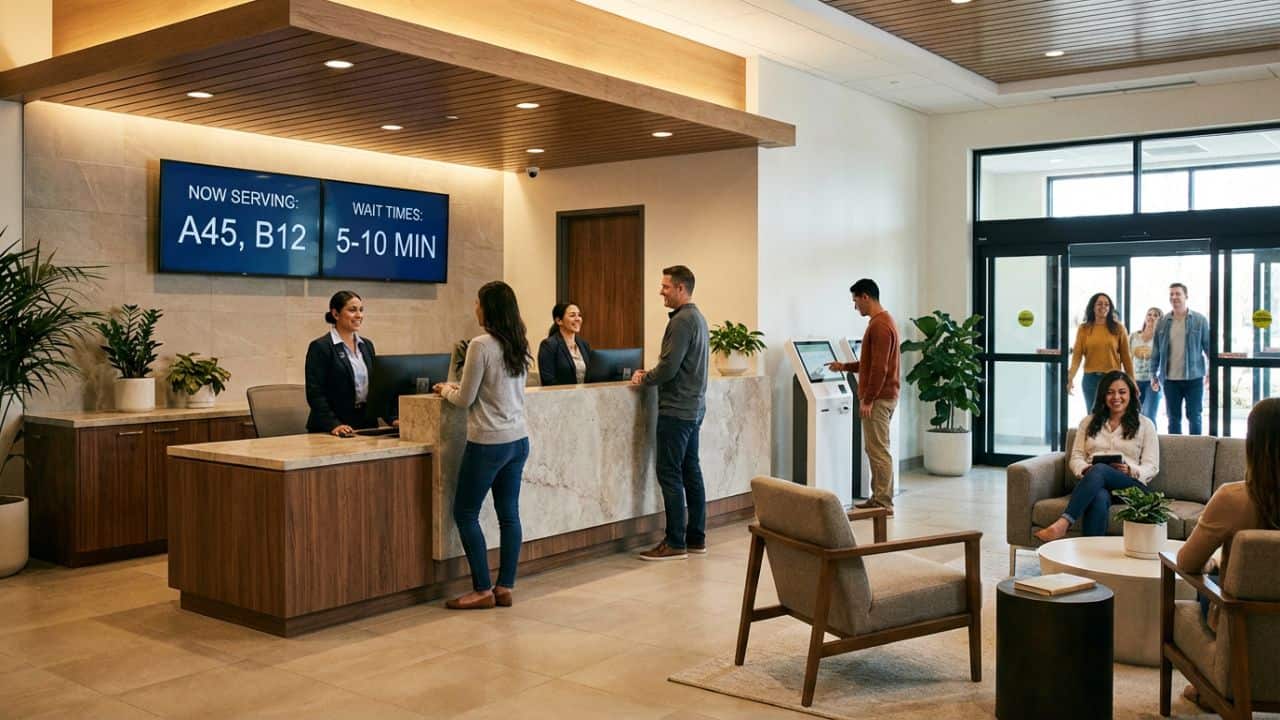
Customer flow is the path a person takes from the moment they arrive until they are finished. It includes using apps, kiosks, moving through the building, and talking to staff. It is about making every part of the visit work together. When the flow is good, people move easily without getting lost or confused.
With the emerging trends and growing customer expectations, kiosks are also used to track every customer journey touchpoint. If you want to know how, you must read our blog:
The Future of Customer Flow: Integrating RFID, Beacons, and Self-Service Kiosks
Why faster service doesn’t always feel better
Customers value clarity, predictability, and transparency over raw speed. You can process someone in 3 minutes, but if they spend 10 minutes confused about where to go first, the experience still breaks. Poor flow creates friction between steps—that awkward moment when someone finishes at one counter and doesn’t know if they’re done or need another service. Those gaps matter more than shaving seconds off transactions.
Why flow has become a leadership concern, not an IT topic
Flow shows where a business loses time and money. It helps leaders see what is actually happening instead of guessing. By observing the customer’s journey, teams make more informed choices. This innovative approach enables the company to succeed.
The Rise of Customer Flow Platforms — What Changed and Why It Matters
New tools were made because old ones could not handle hard jobs. This change happened slowly, but it is very important. Now, these new tools allow companies to do much more than they ever could before. Here’s how:
Moving from isolated tools to a unified platform
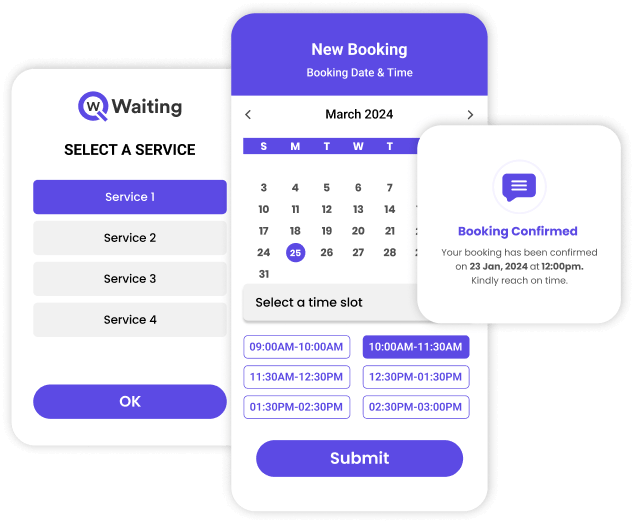
All the tools a business uses, like appointments and text alerts, now work together as one team. This means all the information stays in one place instead of being spread out. Leaders can now see exactly how customers move.
Real-time orchestration replaces reactive management
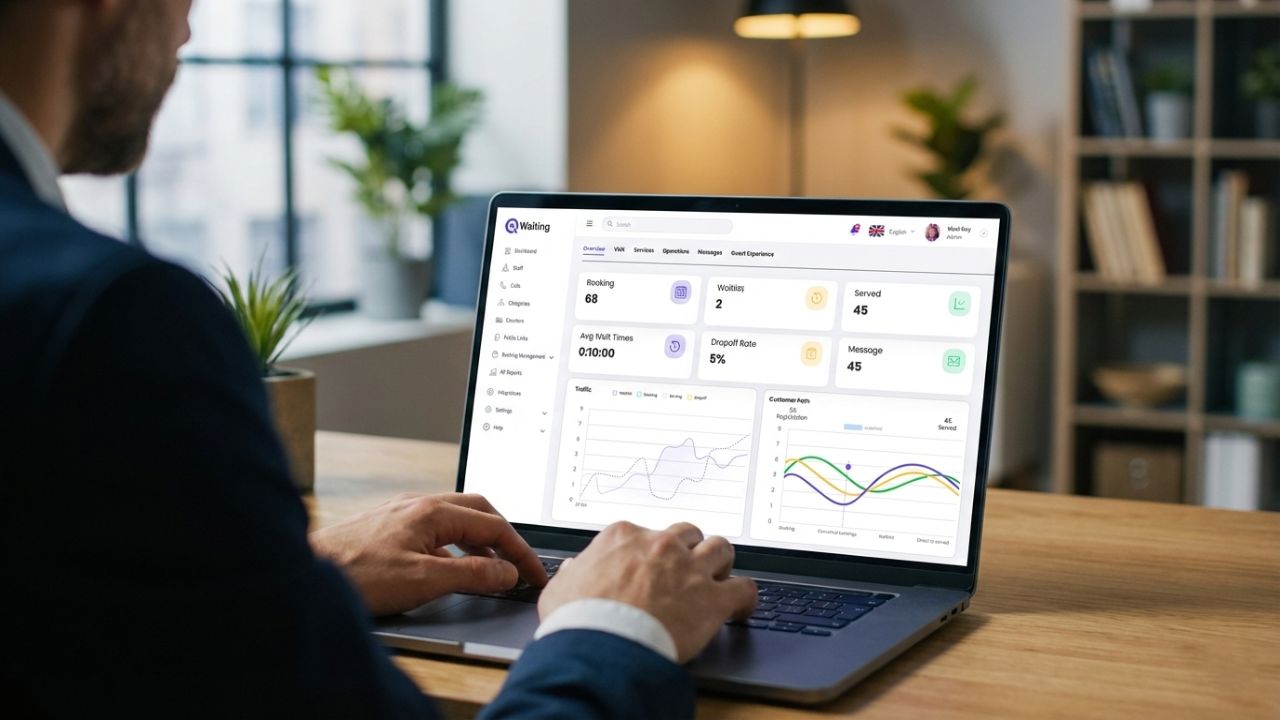
You can see how many customers are waiting and where things are getting crowded right now. This lets bosses fix problems before customers get upset. They can move workers to busy areas or change lines immediately. Instead of just reading a report about what went wrong yesterday, these tools help leaders take action to keep things moving smoothly.
Why dashboards alone are no longer enough

Just looking at numbers does not help leaders make good choices. Knowing that a wait time is longer does not explain why it happened or how to fix it. Leaders need to find the real cause of a problem instead of just seeing the result. This new system looks at how many people want service and how many workers are available. It turns data into a clear plan, so the company can take action.
Queue Software vs. Customer Flow Platform
Here’s how queue softwares are completely different from a customer flow platform:
| Capability | Queue Software | Customer Flow Platform |
| Visibility | Current queue status | End-to-end journey tracking |
| Intelligence | Historical reports | Predictive analytics and recommendations |
| Scalability | Single location focus | Enterprise-wide orchestration |
| Analytics Depth | Wait time and volume | Demand forecasting, capacity optimization, and behavior analysis |
| Experience Consistency | Point-in-time service | Orchestrated omnichannel journey |
What Industry Leaders Gain When They Shift to Flow Thinking
The benefits of customer flow platforms extend well beyond operational efficiency, they fundamentally change how service operations perform.
Executive-level clarity instead of operational guesswork
You get clear answers about why and where work gets stuck. This helps you predict busy times so you can have the right number of workers ready. You can make better choices because they are based on what is happening now instead of just guessing based on the past.
Stronger frontline performance with less resistance
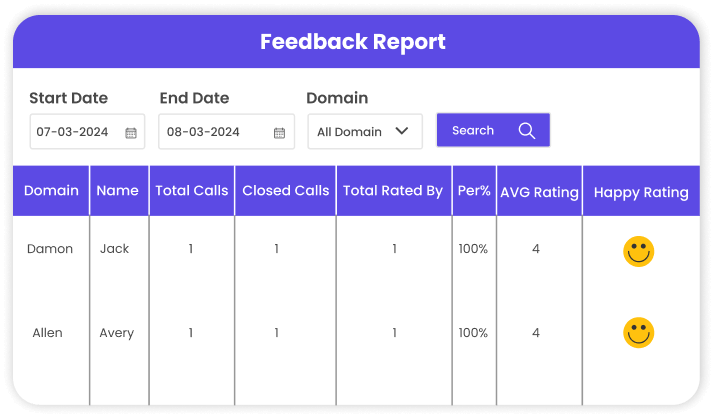
Staff spend less time rushing to fix sudden problems and more time helping people. The system shows them what is most important to do without a boss watching every move. Because this tool makes work easier instead of harder, employees enjoy using it. When technology actually helps people, they are happy to use it.
Business impact that goes beyond reducing wait times
Fewer people leave without finishing their visit because they never get confused or lost. This means more work gets done without needing to hire more staff or spend more money. Most importantly, customers learn to trust the business. They come back more often because they know they will always get fast and reliable service.
Why This Shift Is Happening Now And Why Delaying Comes at a Cost
The convergence of several factors makes this transition both inevitable and urgent for organizations serious about service excellence.
Complexity is increasing faster than most systems can handle
Today, businesses face more pressure because customers expect more, and costs are higher. Using old queuing methods or separate tools that don’t talk to each other does not work anymore. These old ways actually create more problems as the business grows. What worked a few years ago is not good enough for the fast world of 2026 and beyond.
The hidden cost of doing nothing
Companies lose money in ways that do not show up on paper. This happens when customers leave quietly or never come back because they had a bad experience. If a business is unpredictable, people stop trusting it. At the same time, other companies are making things easier for customers and taking those shoppers away. You might not even notice you are losing these customers until it becomes a big problem.
Customer flow as the foundation for what comes next
To make AI and smart queueing tools work well, a company needs clear and organized data about how customers move. Without a good system to manage this flow, new technology is just a bunch of random experiments that don’t really help the business run better. Using a customer flow platform builds a strong foundation for the future. It creates the setup needed for advanced tools to actually work and improve the way a company serves people.
Nowadays, lines apart, if customers feel like your business environment or workspace is messy or disorganized, they spread negative reviews online. To know how to maintain a happy and healthy space for both customers and staff members, read:
Customer Flow Design: Creating the Perfect Waiting Experience
Conclusion: Queue Software Solved a Problem. Customer Flow Platforms Solve the System.
Old tools only fixed simple problems like long lines you could see. New customer flow platforms look at the whole system to plan how people move from start to finish. This is a big change in how businesses work. Instead of just reacting to a crowded room, leaders can design a smooth journey for every customer before they even arrive.
The best companies are not just faster than others. They are successful because they are steady and easy to understand. These businesses do more than just manage lines; they plan every step of a customer’s visit from start to finish. This makes them much better than their competitors. Because they are reliable, customers choose them over other businesses that might be confusing or slow.
Here’s the question for operations leaders: Do you actually know where customers move through your business, or do you only know where they wait? If you’re relying only on queue software to answer that question, you’re already working with incomplete information.
See how Qwaiting transforms customer flow management across healthcare, banking, government services, and retail operations. Explore the platform or book your free consultation call with Qwaiting experts today.