
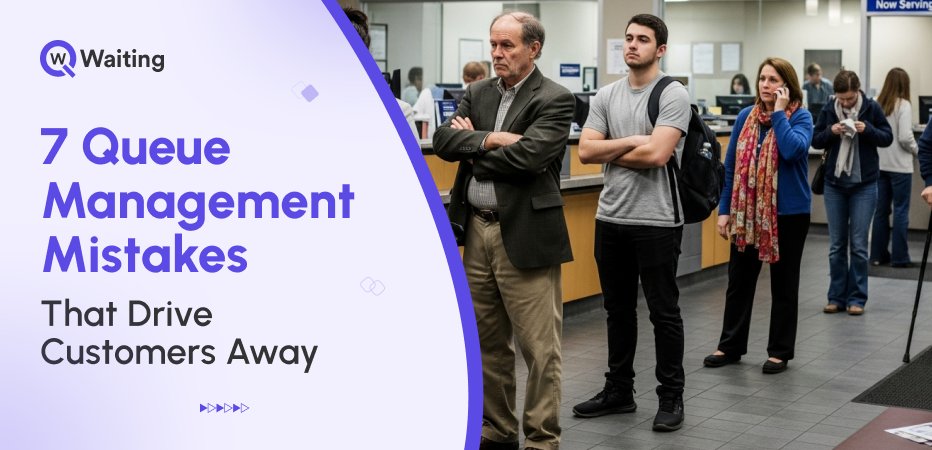
Customers today don’t just want fast service, they expect it. The moment they feel their time isn’t valued, they’re gone. And here’s the thing: they’re not just leaving your queue. They’re leaving your brand.
According to Zendesk, 73% of customers cite long waits as their biggest service frustration. That’s not a minor inconvenience. That’s a direct hit to revenue, reputation, and retention. Every minute someone spends in a poorly managed queue is a minute they’re deciding whether you’re worth their business.
Most organizations think they’ve got queues figured out. They’ve got ticket dispensers, maybe some digital signage, perhaps even an app. But if customers are still walking away frustrated, or worse, not coming back, something’s broken. The truth? Most queue management mistakes are invisible to leadership until they show up in churn reports and negative reviews.
This article exposes the 7 most damaging queue management mistakes that cost businesses customers every single day, and more importantly, how to fix them for good.
7 Queue Management Pitfalls Every Operations Leader Should Avoid
Most businesses see queues as an operational hassle. Something to “deal with” rather than fixing it. Here are some common mistakes every business makes and how your team can avoid repeating it:
-
Mistake #1 – Treating Queues as a Side Problem, Not a Strategy
That mindset is expensive. When you treat queue management as a back-office problem instead of a front-line customer experience strategy, you’re essentially telling customers their time doesn’t matter. And they notice. They always notice.
The Problem
Queues are treated as operational afterthoughts, ticket dispensers, and physical lines with no strategic oversight. Leadership views them as cost centers, not experience opportunities. This creates reactive management where problems are addressed only after customers complain or leave.

The Solution
Elevate queue management to a CX strategy. Design customer flow with the same rigor as product design. Use real-time analytics dashboards to monitor satisfaction, not just throughput. Assign ownership to CX leaders, not just operations teams. Make queue performance a board-level KPI.
Expected Results
A leading bank in the UAE restructured its branch flow model and reduced service time from 45 minutes to 12 minutes. Customer satisfaction scores increased by 34%, and branch visits converted to product sales at 19% higher rates. Queue redesign became their competitive advantage.
| Aspect | Old Queue Thinking | Modern Queue Experience |
| Focus | Speed & throughput | Experience & efficiency |
| Visibility | Manual monitoring | Real-time analytics |
| Goal | Reduce line length | Increase satisfaction |
Many organizations underestimate just how much poorly managed queues can cost — not just in lost time, but in lost revenue and customer trust.
See how poor queue management silently drains billions in revenue each year: The $37.7 Billion Problem: How Poor Queue Management is Costing Businesses in 2025
-
Mistake #2 – Ignoring Data from Your Queues
Your queues are talking. Most businesses just aren’t listening.
Every queue generates data, wait times, service durations, peak traffic patterns, abandonment rates, and staff efficiency metrics. This isn’t just operational noise. It’s intelligence. And when you ignore it, you’re flying blind.
The Problem
Organizations collect queue data but don’t act on it. Spreadsheets sit unused, patterns go unnoticed, and decisions are made on gut feeling rather than evidence. Without analytics, you’re reacting to problems instead of preventing them. Customer frustration builds while leadership remains unaware of root causes.
The Solution
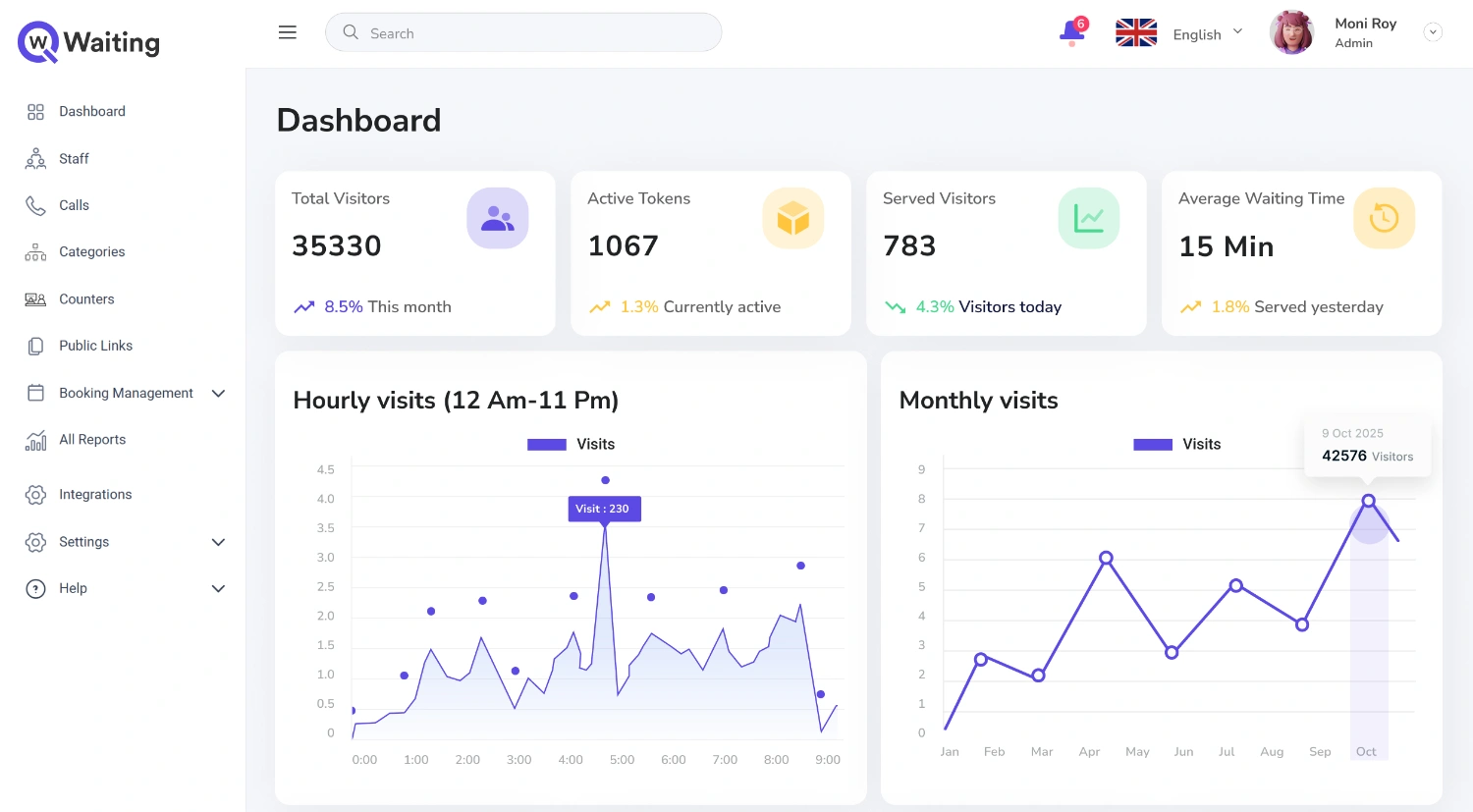
Implement smart queue systems with real-time analytics dashboards. Track wait times, service durations, and abandonment rates by hour, day, and service type. Use predictive analytics to forecast demand spikes and adjust staffing proactively. Turn data into daily operational decisions, not monthly reports.
Expected Results
A healthcare provider in Singapore used queue analytics to identify that 60% of congestion happened between 9 AM and 11 AM. They adjusted staffing, introduced staggered appointments, and added virtual queue options for non-urgent cases. Average wait time dropped by 30%, and patient satisfaction scores jumped 22 points within three months.
-
Mistake #3 – One-Size-Fits-All Approach to Customer Journeys
Not all customers are the same. So why are you treating them that way?
Forcing every visitor into the same queue path, whether they’re walk-ins, appointments, VIPs, or returning customers, creates friction. It frustrates people who’ve planned ahead, slows down simple transactions, and sends a clear message: “We haven’t thought about your specific needs.”
The Problem
Single-path queuing forces everyone through the same bottleneck regardless of urgency, appointment status, or service complexity. Walk-ins clash with scheduled appointments. VIP customers wait alongside first-time visitors. Quick transactions get stuck behind lengthy consultations. The result? Frustration across all customer segments.
The Solution
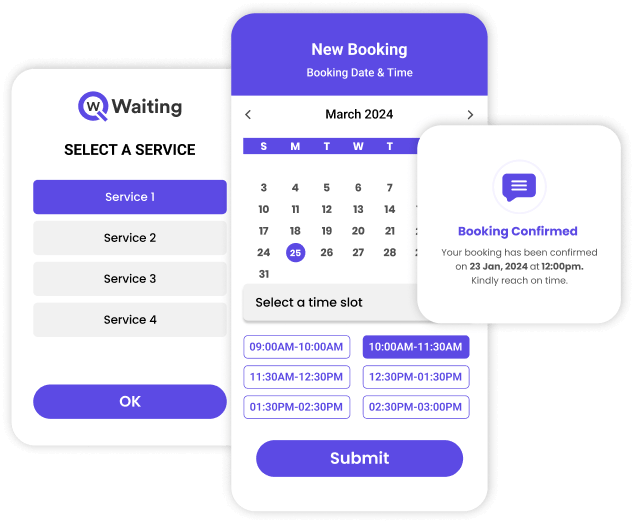
Design omnichannel queue flows that recognize customer diversity. Implement separate tracks for appointments vs. walk-ins, express lanes for quick services, and VIP pathways for premium customers. Enable online booking, mobile check-ins, and virtual queuing. Let customers choose how they want to wait, in-store, remotely, or from their car.
Expected Results
“After implementing Qwaiting’s virtual and in-person hybrid system, our customer satisfaction scores increased by 28%. Customers loved having options, and our staff loved having fewer complaints.” Retail Operations Head, UAE
A retail chain saw 28% higher satisfaction scores, 41% reduction in customer complaints, and 23% increase in repeat visits after introducing flexible queue paths that matched different customer needs.
-
Mistake #4 – Forgetting the Human Side of Queuing
Technology can optimize queues. But empathy defines the experience.
Even with the smartest queue management software in place, the human side of waiting matters. How your staff communicates updates. Whether your signage is clear or confusing. If customers feel informed or ignored while they wait.
The Problem
Organizations over-rely on automation and forget that uncertain waiting feels longer than informed waiting. Customers stand without updates, staff don’t proactively communicate delays, and digital systems provide no context. People don’t just hate waiting, they hate not knowing what’s happening or when their turn will come.
The Solution
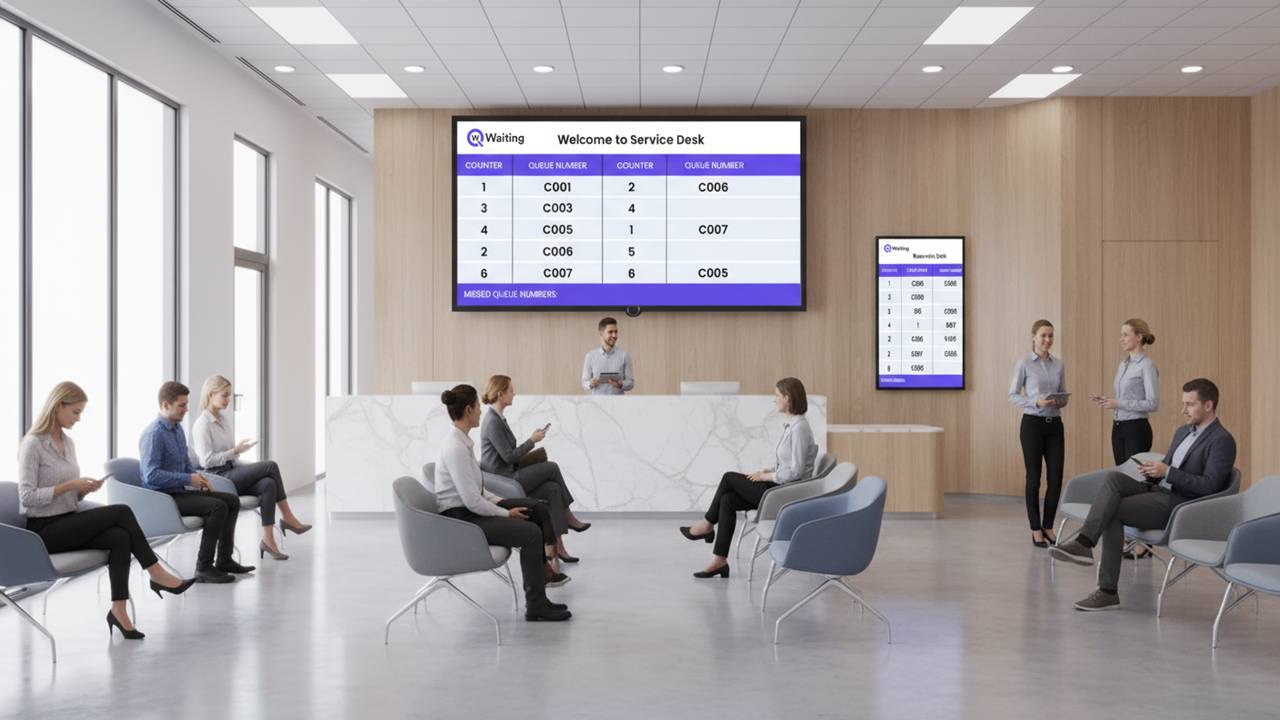
Combine technology with empathy. Deploy digital signage showing real-time queue positions and accurate wait estimates. Send WhatsApp or SMS alerts when customers are 3-5 minutes from service. Train staff to check in with people waiting longer than expected and provide proactive updates during delays. Make uncertainty disappear.
Expected Results
A government office in Canada reduced citizen complaints by 41% by adding real-time SMS updates and training front-desk staff on proactive communication. The actual wait times barely changed, but the perception of the experience transformed. Citizens felt informed, valued, and in control despite similar wait durations.
“Technology alone doesn’t create great experiences, empathy does. The best queue systems empower both staff and customers.”
-
Mistake #5 – Not Adapting to Modern Expectations (Mobile, Digital, Instant)
Here’s the thing: your customers live in a world where they can order dinner, book a ride, and stream a movie in under 60 seconds. Then they walk into your office and get handed a paper ticket.
That disconnect is jarring. And expensive.
The Problem
Static, physical queuing systems force customers into outdated experiences. No mobile check-in, no remote waiting, no real-time updates. People must physically stand in line, with no visibility into wait times or ability to manage their time efficiently. This creates unnecessary frustration and high abandonment rates, especially among younger, tech-savvy customers.
The Solution
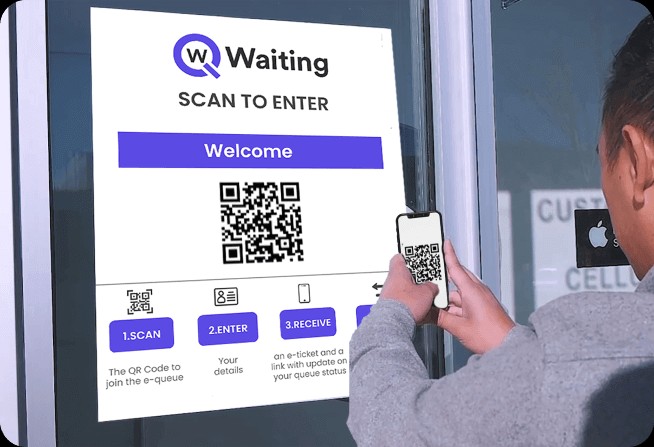
Offer digital-first queuing with mobile alerts, remote waiting capabilities, and self-service check-in options. Let customers join queues via smartphone, receive notifications when their turn approaches, and wait from anywhere, their car, a café, or home. Provide appointment-based flow options that eliminate physical waiting entirely for scheduled services.
Expected Results
A government office in India reduced citizen wait times by 42% through virtual queue check-ins. Citizens joined queues online, arrived only when needed, and skipped physical waiting. Customer satisfaction scores increased 37%, and daily service capacity improved by 28% without adding staff.
| Experience Element | Traditional Queue | Smart Queue |
| Waiting | Physical, static | Virtual or remote |
| Updates | None/manual | Real-time notifications |
| Perception | Inconvenience | Control & freedom |
-
Mistake #6 – Overcomplicating the System
There’s a certain irony in queue management: businesses deploy advanced software to improve the experience, then make it so complex that nobody can use it.
Complicated systems kill adoption. If your queue interface requires a training manual, if customers can’t figure out how to check in, if staff spend more time troubleshooting than serving, you’ve failed.
The Problem
Over-engineered queue systems overwhelm users with unnecessary steps, confusing interfaces, and excessive data requirements. Customers abandon kiosks mid-process. Staff need constant retraining. What should streamline operations instead creates new bottlenecks. Complex doesn’t mean powerful, it means broken.
The Solution
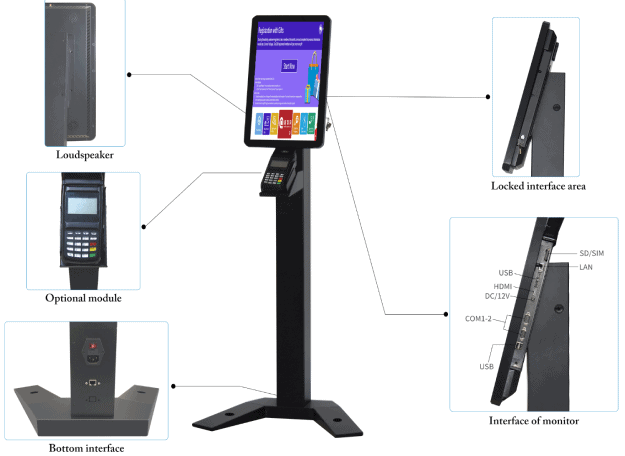
Prioritize intuitive design over feature bloat. Simplify check-in to three steps or fewer. Remove unnecessary form fields, only capture what’s essential. Design interfaces that work without instructions. Choose queue platforms that staff can master in minutes, not days. Remember: if customers need help using your queue system, the system has failed.
Expected Results
A healthcare network in the UK simplified its queue setup from nine steps to three. They streamlined the kiosk interface, removed redundant fields, and made the process self-explanatory. Kiosk usage increased by 50%, front-desk bottlenecks dropped by 35%, and staff satisfaction improved as they spent less time troubleshooting and more time serving patients.
-
Mistake #7 – Neglecting Post-Queue Engagement
Most businesses think the transaction ends when the service is delivered. That’s a missed opportunity.
The post-queue moment is when customers are most willing to share feedback, rate their experience, and engage with your brand. And most organizations completely ignore it, letting people walk out without capturing insights that could improve operations or strengthen relationships.
The Problem
Organizations stop engaging once the service is delivered. No feedback requests, no satisfaction tracking, no follow-up communication. This means missing critical improvement insights, losing opportunities to recover from bad experiences, and failing to convert satisfied customers into advocates. You’re leaving data and loyalty on the table.
The Solution
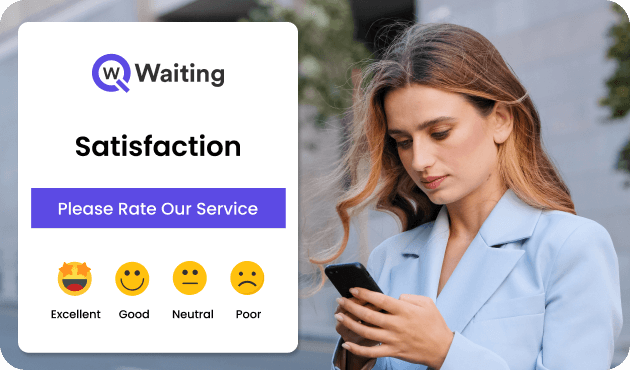
Implement automated post-service engagement. Send instant feedback surveys via SMS or WhatsApp within minutes of service completion. Ask for NPS scores through quick polls in confirmation emails. Use feedback to identify service gaps and address negative experiences before they become public complaints. Turn satisfied customers into vocal advocates through follow-up appreciation.
Expected Results
“After using Qwaiting’s post-service feedback module, we saw a 46% increase in response rates and a 19% rise in positive reviews.”, Hospital CX Manager
A hospital saw 46% higher feedback response rates, 19% more positive online reviews, and caught 67% of negative experiences before they escalated. They recovered dissatisfied patients immediately and turned satisfied ones into referral sources, all through strategic post-queue engagement.
Leadership Insight – From Transaction to Transformation
Queue management isn’t about lines. It’s about loyalty.
Modern leaders don’t just manage waiting, they reinvent how customers experience time. They understand that every queue is a moment of truth, a chance to prove their organization values people, not just processes.
“Queue management isn’t about lines. It’s about loyalty. Modern leaders don’t just manage waiting, they reinvent how customers experience time.”
The businesses that win in the next decade won’t be the ones with the shortest queues. They’ll be the ones that make waiting feel purposeful, transparent, and even, dare I say, pleasant. That’s the difference between transaction and transformation.
Qwaiting doesn’t just help you manage queues. It positions your organization as a customer-first leader in your industry, whether you’re running a hospital, a bank, a government office, or a retail operation.
Conclusion – Turning Queue Pain into CX Power
Great service isn’t about eliminating waits. It’s about transforming them into experiences.
The businesses that succeed with queue management do three things well: they leverage technology to create seamless flows, they use data to continuously improve operations, and they never forget that empathy is what customers remember.
Queue management mistakes are costly, but they’re also fixable. You don’t need to overhaul your entire operation overnight. You need to start treating queues as strategic CX opportunities, not operational afterthoughts. You need to listen to your data. You need to give customers options. And you need to make every moment of waiting feel intentional.
The future belongs to organizations that lead with smart, customer-first queue design. The question is: are you ready to stop losing customers to waiting, and start winning them with experience?
Ready to transform waiting into winning? Discover how Qwaiting helps global brands turn queues into seamless, measurable experiences. Explore smart queue management solutions that put customers first and deliver ROI that operations leaders can measure. Book your 14-day free trial today!