
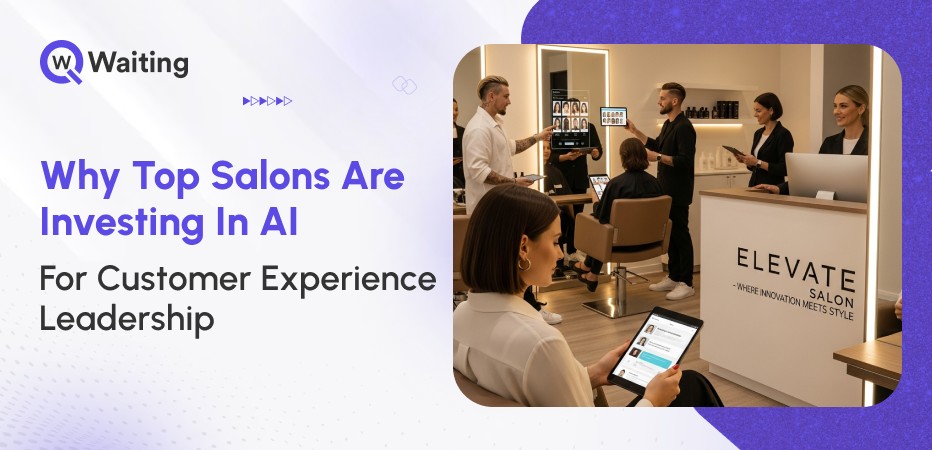
The salon industry just crossed a threshold most owners didn’t see coming. While everyone was focused on mastering balayage techniques and sourcing organic products, the actual competitive battlefield shifted. It’s not about who has the best stylists anymore, every serious salon has talent. It’s about who wastes less of their clients’ time, who remembers preferences without being reminded, and who makes the entire experience feel effortless.
This shift happened quietly, then all at once.
The best salon brands figured out something critical: in an industry where everyone can learn the same cutting techniques and buy the same products, experience becomes the only real moat. And experience, at scale, requires intelligence. Not just human intelligence—though that remains irreplaceable, but the kind of operational intelligence that only AI can deliver. The salons investing in AI right now aren’t chasing trends. They’re building distance between themselves and everyone still running on spreadsheets and hope.
The New Era of Beauty: How AI Is Redefining Salon Experiences
Here’s what changed: clients stopped comparing you to the salon down the street. They started comparing you to their entire digital life, to how Amazon remembers their preferences, how their banking app predicts their needs, and how Netflix knows what they want before they do.
- Experience beats execution: A Dubai salon chain discovered that client retention issues weren’t about haircut quality but operational friction, long hold times, unpredictable waits, and lack of personalization. After implementing AI-powered scheduling, digital check-ins, and predictive wait displays, retention jumped 28% in four months without changing stylists or techniques.
- AI removes barriers to human connection: Modern salon technology isn’t replacing stylists, it’s eliminating everything that prevents them from focusing on clients. By handling scheduling complexity, client history, and operational logistics, AI frees professionals to deliver the personalized, attentive service that truly differentiates a salon from competitors.
- From novelty to necessity: AI in barbershops evolved from gimmicky photo apps to sophisticated operational systems handling appointment optimization, 24/7 chatbot booking, facial recognition check-ins, and virtual queues. These tools deliver measurable ROI through reduced chair downtime, fewer no-shows, higher retention, and improved staff utilization.
- Seamless integration matters most: success isn’t about being first to adopt AI, it’s about the quality of implementation. Leading salons and barbershops seamlessly integrate technology into their operations, allowing clients to experience everything as easier, faster, and more personalized; this transformation turns convenience into a competitive advantage.
Where AI Creates Real Impact in Modern Salons
The difference between theory and practice matters more in salons than in most industries. You can’t fake operational efficiency when clients are sitting in your chairs.
- Smart scheduling as optimization: AI analyzes historical data to predict real service durations, stylist speed variations, and walk-in patterns, automatically adjusting buffers. This dramatically reduces wait times and increases daily capacity. One chain cut front-desk workload by 40% while reducing walk-outs from 12% to under 3%.
- Predictive personalization from dormant data: AI transforms unused client histories into actionable intelligence, flagging overdue touch-ups, suggesting relevant services, and reminding stylists of past preferences. Premium salons report 35% increases in repeat clients, with stylists focusing on creativity instead of memory recall.
- Digital queues eliminate uncertainty: Mobile tokens provide real-time wait estimates, while staff dashboards show service pipelines. Advanced systems use facial recognition for instant check-in. What took 5 minutes per client now takes 30 seconds, recovering hours of productive time daily across forty appointments.
To dive deeper into how modern QR-based virtual queues cut wait times and simplify check-ins, explore our guide on QR code queueing for faster customer flow.
- Smart displays maximize product engagement: AI-powered signage analyzes demographics and behavior to dynamically tailor content, and morning rush sees different messaging than evening slots.
Salons implementing these systems typically achieve 15-25% increases in supplementary purchases through precisely timed, relevant suggestions during processing waits.
The Business Side: Why AI is a Smart Investment, Not a Luxury
Let’s talk about what CFOs and owners actually care about: return on investment, cost reduction, and sustainable growth.
Boosting Client Retention Through Personalization
Customer acquisition costs in beauty services have climbed steadily. Getting a new client through the door might cost $50-$150 in marketing spend. Keeping an existing client costs virtually nothing if you’re delivering consistent experiences they value.
AI helps barbershops re-engage clients who’ve gone quiet. Predictive analytics flag at-risk clients before they churn; someone who used to book monthly but hasn’t scheduled in ten weeks triggers an automated but personalized outreach. The system suggests the right incentive (not always a discount; sometimes it’s priority booking with their favorite stylist) based on historical response patterns.
Measurable impact here isn’t hypothetical. Salons using AI-driven retention programs commonly see 20-30% improvements in repeat visit frequency and meaningful increases in client lifetime value. When you factor in that repeat clients typically spend 40% more per visit than new ones, the math becomes compelling quickly.
Reducing Costs & Human Error
Manual scheduling inevitably creates gaps and overlaps. Suppose two appointments book the same slot and the same service, this will leave staff overwhelmed. Someone books two clients for the same slot. Walk-ins get squeezed in poorly. Stylists end up with uneven workloads, three of them idle while one’s slammed.
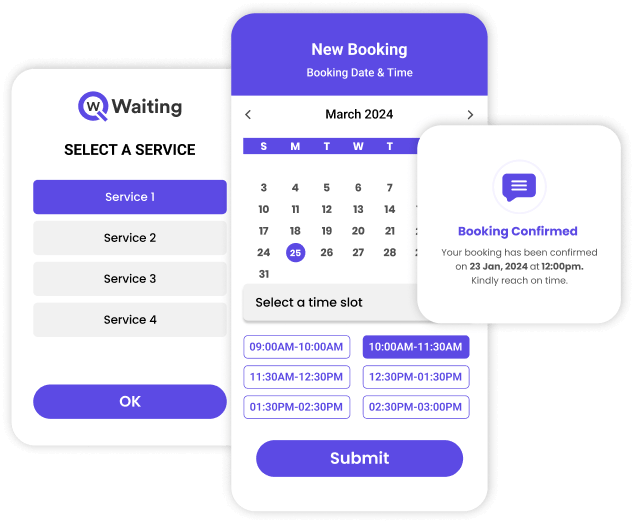
AI scheduling optimization eliminates most of these errors automatically. No-show prediction models adjust confirmation strategies and overbooking tactics based on individual client reliability scores. Staffing recommendations align with predicted demand patterns, reducing both overstaffing costs and understaffing chaos.
The financial impact shows up across multiple dimensions: less wasted labor during slow periods, fewer missed revenue opportunities during peak times, dramatically reduced no-show losses (often a 30-50% reduction), and better inventory management as the system predicts product needs more accurately.
One mid-sized chain calculated they were recovering $47,000 monthly just from better appointment utilization; that’s over half a million annually from smarter scheduling alone.
Data-Driven Decision Making
Most salon owners make operational decisions based on gut feelings and personal observations. That works until it doesn’t.
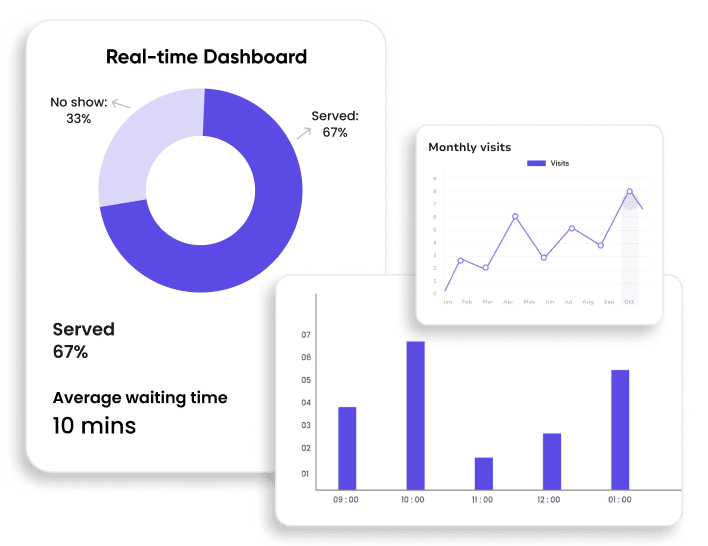
AI dashboards surface patterns humans miss. Which services drive the highest margins versus just revenue? Which stylists generate the most repeat bookings? At what times of day see the worst wait-time variances? Which marketing channels actually deliver clients who stick around?
This isn’t about drowning in data. It’s about having leadership intelligence, clear signals that inform smarter decisions about pricing, staffing, service offerings, and resource allocation.
The best implementations put this intelligence in context. Not just “Tuesdays are slow” but “Tuesday afternoons see 30% lower booking density, yet client satisfaction scores are highest then, consider incentivizing appointments during this window to improve margins without compromising experience quality.”
That’s the difference between data and insight.
The Future is Intelligent: Are You Ready to Lead It?
Business change isn’t optional. It’s only a question of whether you lead it or react to it.
The Cost of Staying Manual

What happens when you ignore digital transformation while competitors embrace it?
Clients notice the friction. They compare your clunky booking process to the seamless experience at the new place that opened downtown. They resent waiting without knowing how long. They forget why they liked you in the first place because the operational annoyances overshadow the quality work.
Staff burn out from administrative chaos. Your best stylists leave for environments that respect their time and give them better tools.
Revenue stagnates because you’re operating at capacity but can’t increase throughput without adding chairs, and you’re not efficiently using the capacity you have. Reputation erodes gradually, then suddenly. Review scores drift downward. New client acquisition gets harder and more expensive.
AI-Powered Platforms as Growth Partners
The infrastructure exists now for salons and barbershops to deliver enterprise-grade customer experiences without enterprise budgets or technical teams.
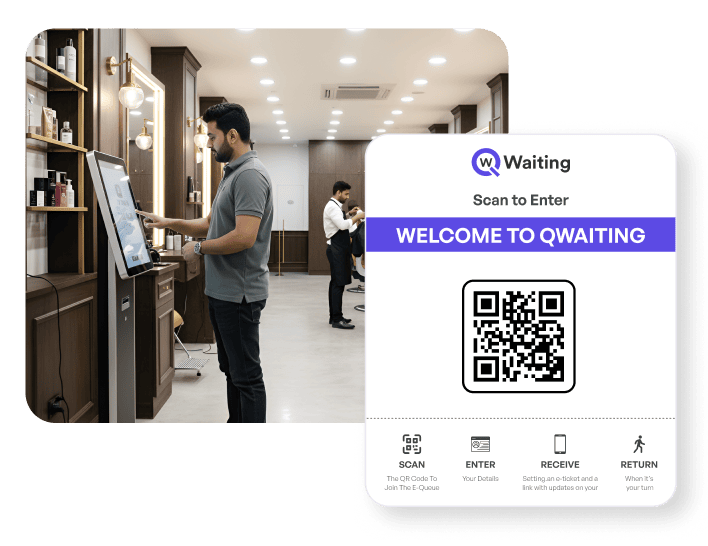
Platforms like Qwaiting integrate AI-powered queue management, digital check-ins, self-service kiosks, and smart displays into cohesive systems that work together instead of creating new silos. The intelligence layer spans the full customer journey—from discovery and booking through service delivery and post-visit follow-up.
What matters isn’t feature lists. It’s scalability. Whether you’re a single-location boutique salon, barbershop or a hundred-location franchise, these systems adapt to your operational reality. They grow with you. They integrate with your existing booking software, payment systems, and CRM tools.
The Vision Ahead: The Next Five Years of Salon Experiences
Look forward, and the trajectory becomes clear. AI will predict not just appointment preferences but optimal service timing based on client hair growth rates and historical patterns. Voice-activated booking will handle complex scheduling without apps or phone calls. Data-driven service design will create hyper-personalized treatment plans that evolve with each visit.
Salons will function less like appointment-based facilities and more like intelligent experience platforms, knowing what clients need before they ask, orchestrating seamless service delivery across multiple touchpoints, and building relationship depth through consistent, personalized interaction.
This isn’t science fiction. The foundational technologies exist now. What’s happening over the next five years is refinement and integration—making these capabilities accessible to every tier of the market, not just the luxury brands with massive tech budgets.
Action Section: Lead the Experience Revolution
Your salon doesn’t need another point solution. It doesn’t need more software, creating more complexity.
It needs transformation. Real operational intelligence that makes every aspect of your business smarter, not just automated, but genuinely more effective at creating experiences clients value and staff appreciate.
The best salon brands aren’t waiting for perfect clarity or zero risk. They’re experimenting, learning, and iterating. They’re building competitive distance while others are still debating whether AI is relevant to their industry.
You can lead the next era of customer experience. Or you can explain later why you didn’t.
Lead the experience revolution intelligently. Discover how Qwaiting transforms salons and barbershops with AI-powered queue management and customer journey optimization. Connect with our expert for a personalized demo.