
U.S. retailers lose an average of 5.5% of their revenue because of problems in their stores. This amounts to about $162.7 billion in lost sales by 2025, according to Coresight Research. It might seem like a small thing, but bad lines act like a hidden leak that slowly drains a business’s bank account.
This mess creates a stressful cycle for everyone involved. Customers get grumpy, the teams feel totally burned out, and the bosses don’t always have the right information to fix the problem. However, the stores that notice these problems early and take action see big wins. They can serve people 40% faster and make their customers much happier.
If you don’t pay attention, you just keep losing money without even knowing why. It is important to look at how things are running right now and be honest about what isn’t working. Below are 10 signs that your lines are hurting your business instead of helping it.
10 Key Indicators Your Waiting Experience Needs a Modern Solution
Unmanaged lines don’t start with a loud alarm. They hide in bad customer reviews and grumpy staff. Catch and solve these small signs early before they turn into huge, expensive problems.
Sign 1: Your Waiting Lines Are Getting Out of Control
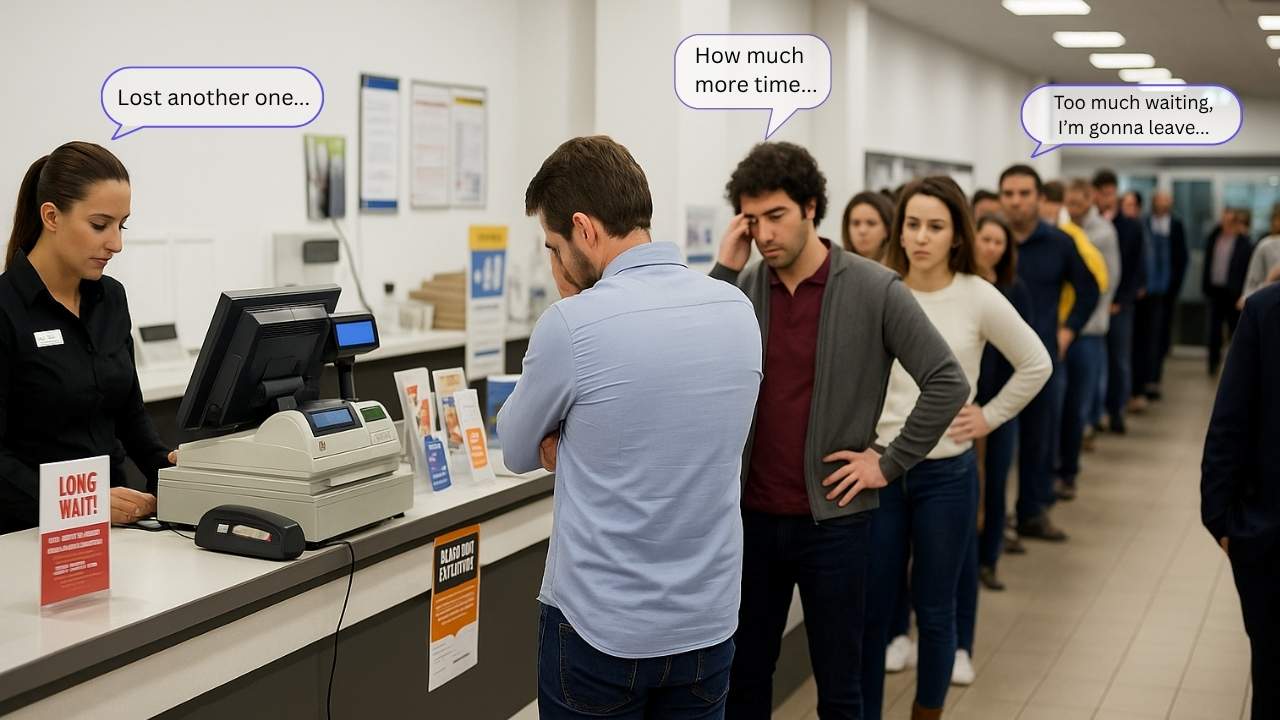
When lines get too long, the damage happens fast. If customers wait more than 15 minutes, most of them leave feeling angry at the store. This makes them stop shopping and just want to escape the building. It’s not just the wait times that frustrate the customers, but the feeling of being ignored or undervalued can lead to negative word-of-mouth, lost sales, and a damaged reputation. Addressing long wait times with efficient queue management systems can restore customer trust, improve staff morale, and enhance overall operational efficiency, ensuring a smoother and more pleasant experience for everyone involved.
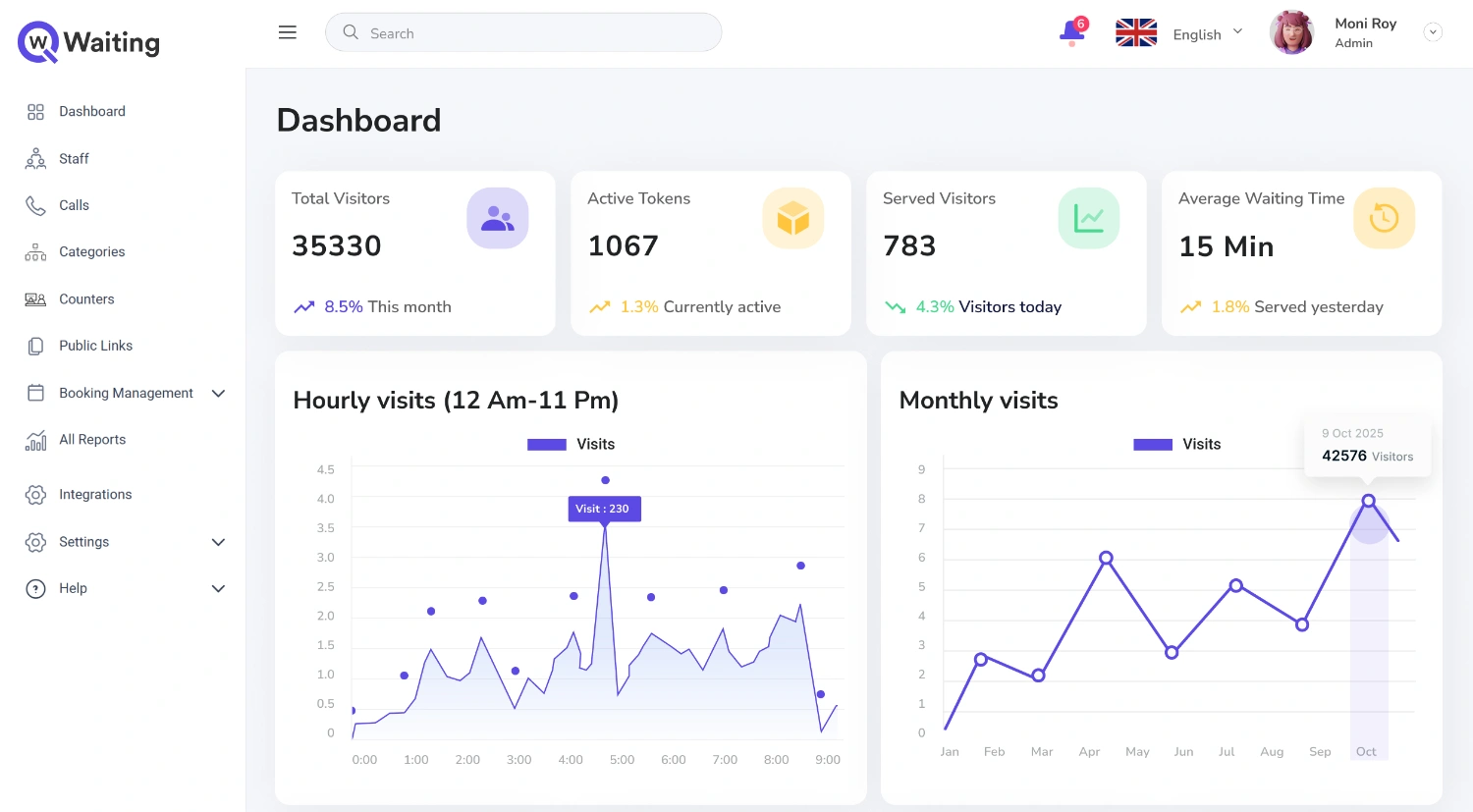
Using a digital system to manage the line helps a lot. It lets people wait without standing in a physical row, making the experience much less stressful.
Action: Track your average wait times during peak hours this week. The number may surprise you.
If you want ways to lower waiting line frustration for your customers, you must read our guide on:
Sign 2: Customers Are Leaving Before They’re Served

Losing customers before they even get served is a quiet way to lose a lot of money. Most people will wait only about 5 minutes before giving up and walking out. They usually don’t even complain; they just leave and never come back.
Businesses can control this situation by letting people join the line using a phone app. Customers can then receive text updates and only show up when it is almost their turn. This simple change can lead to way more sales because people feel in control. When customers know exactly how long they have to wait, they are much more likely to stay and finish their shopping.
Action: Measure your current abandonment rate. If you don’t have that data, that itself is a sign.
The queue abandonment rate cannot be ignored. Queue abandonment is an important measure that affects how well businesses perform in many industries. If you also want to gain deep insights into how walkouts can potentially affect your business, must read:
Queue Abandonment Rate: The Metric 87% of Businesses Ignore (And Why It Matters)
Sign 3: Negative Reviews Are Increasing Because of Long Waits

Bad reviews are often a giant warning sign. Many times, people don’t complain about the service or the staff members; they complain about the wait. In fact, almost half of the negative reviews are just about standing in line too long.
Businesses need to track both positive and negative customer reviews to keep their services up to date. This way, customers will usually tell you exactly what is wrong with your service if you just listen to their feedback.
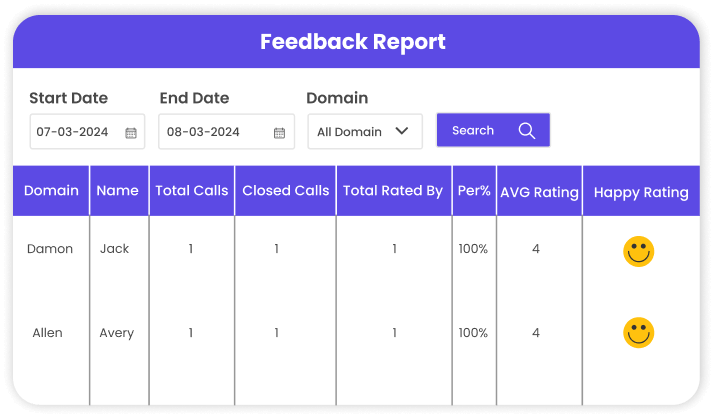
Action: Customer feedback is crucial to collect and act upon for any business. It creates a sense of being heard among customers, and they are more likely to return when their feedback is acted on.
For efficient feedback collection, Qwaiting’s customer feedback software is the most trusted tool for businesses. If you want to know how it works, explore our blog on:
Customer Feedback System: The Key To An Exceptional Customer Experience
Sign 4: Manual Queue Tracking Is Causing Costly Mistakes
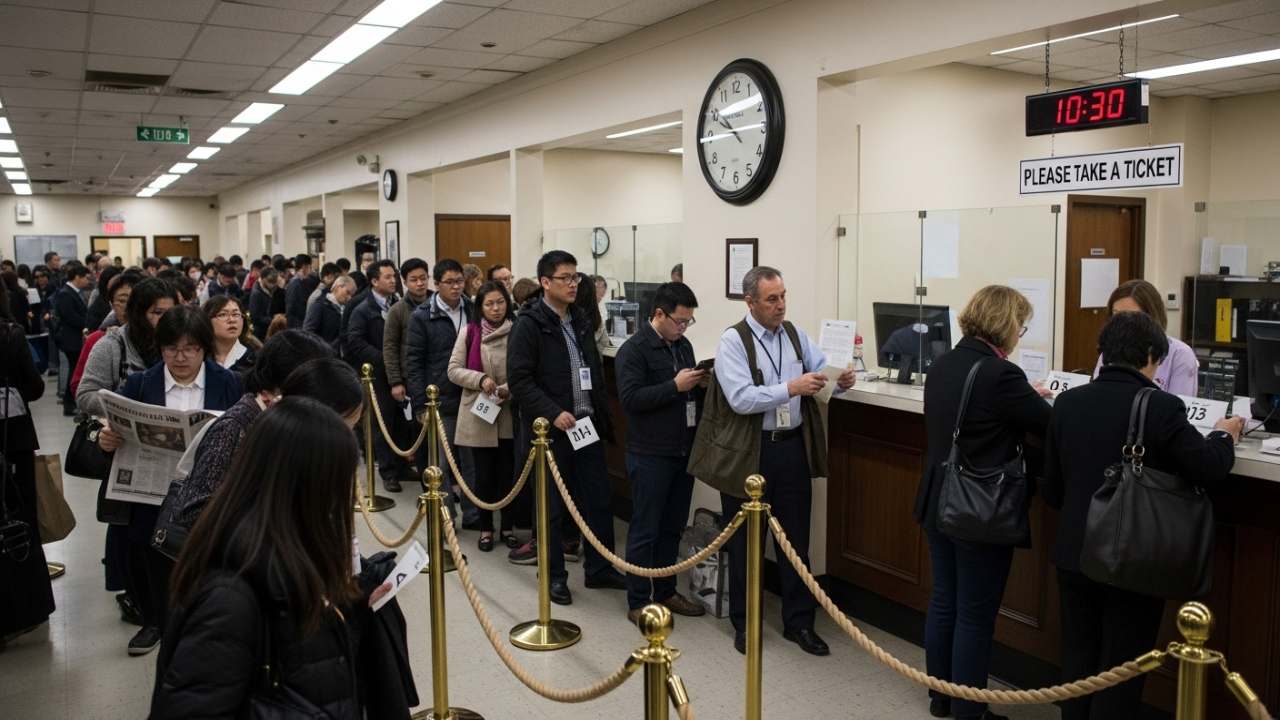
Using paper tickets or calling out names isn’t a real system; it’s just an invitation for mistakes. When stores try to manage lines manually, they mess up about 30% of the time. They lose track of who is next, accidentally skip people, or call the same number twice.
One business found that its workers spent 2 hours every single day just fixing mistakes caused by paper tickets. That is a lot of wasted time that a computer could handle perfectly. A digital queuing system automatically keeps everyone in the right order, so no one gets skipped, and no paper slips get lost.
Many businesses still rely on outdated queue methods without realizing the operational damage they cause. See why traditional queue systems are failing and what modern businesses are switching to instead.
Action: Audit your current queue method for one week. Log every error, every correction, every customer complaint about the position. The true cost will become visible quickly.
Sign 5: Peak Hours Overwhelm Your Staff and Operations

Most businesses know exactly when they are going to be busy, but they still aren’t ready for it. During these “rush hours,” wait times can suddenly triple. Usually, staff members just try to survive the chaos instead of having a real plan to handle it.
Businesses can fix this by using a digital tool to look at their past busy times. This helped them schedule the right number of workers before the crowd even arrived. It made everything run much more smoothly and kept the employees from feeling totally stressed out. Having the right data turns a scary rush into a normal, easy workday.
Action: Log the next three peak-hour periods in detail: queue length, wait times, staff allocation, and complaints. Use that baseline to assess your current exposure.
If peak-hour congestion is already hurting your service flow, here’s a practical strategy businesses use to cut waiting times dramatically within just a few weeks.
Sign 6: Your Team Has No Real-Time Visibility Into Wait Times
When teams can’t see how long the wait actually is, they work more slowly. Without real-time information, managers have to guess what’s happening instead of using facts. This usually leads to a 20% drop in how much work gets done, and the customers are the ones who suffer for it.
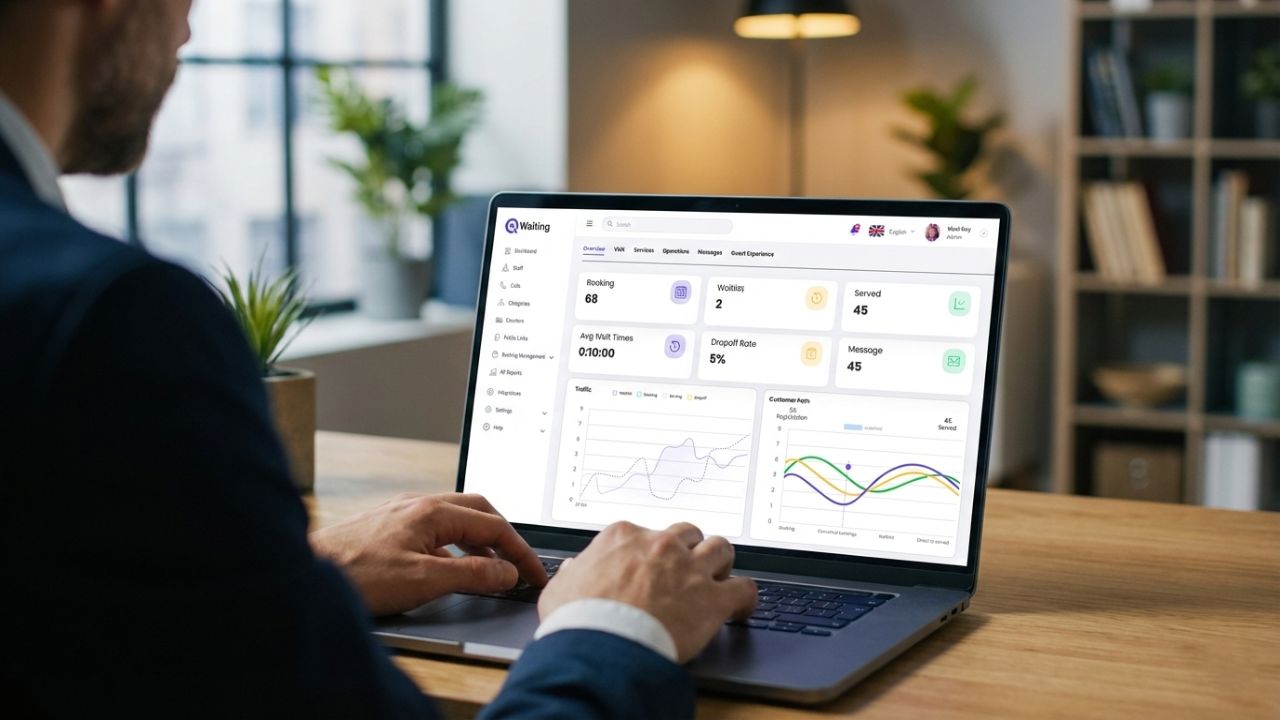
Once the admins switch to a digital dashboard to show wait times, the number of “no-shows” can drastically drop by 35%. People demand and deserve the line transparency and proper wait time information, and when they receive it, it directly adds up to profits.
Action: Simulate a queue-blind scenario at your next busy period. Observe how many decisions are made on guesswork rather than live data.
Sign 7: Uneven Workloads Burn Out Your Teams

When some hours are too busy, and others are too slow, it really hurts a business. This roller coaster of work makes employees want to quit. In fact, A 2023 study found that nearly 50% of frontline staff changed jobs in 2023, with poor work-life balance and a lack of shift scheduling flexibility.
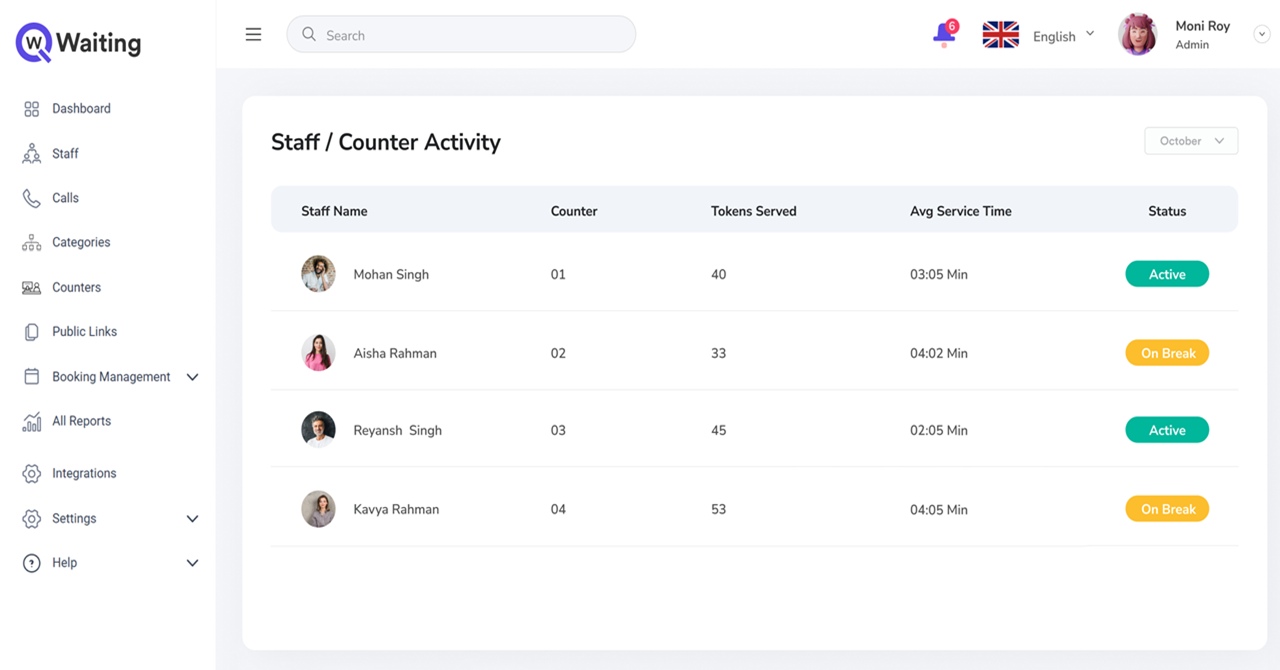
By using a digital tool to allocate resources more efficiently, admins can fix the scheduling stress without having to hire more people. Happy, balanced teams make fewer mistakes and stay at their jobs longer.
Action: Ask your front-line staff directly where they feel most overwhelmed and where time is wasted. The answer will map your queue problem precisely.
Sign 8: Employees Spend Too Much Time Managing Lines
When teams spend their whole day calling out names or dealing with people complaining about their spot in line, they aren’t actually doing their real jobs. This is a huge waste of time.
In stores without a computer system to help, workers spend almost half their shift just managing the crowd. This isn’t because the workers are lazy; it’s because the system is broken.
Action: Time your next queue management cycle from start to finish. Multiply that by daily frequency. That number represents recoverable capacity.
Sign 9: Your Business Lacks Data on Customer Flow
If you don’t know how many people are coming into your store or how long they stay, you’re basically guessing how to run your business. Most companies that don’t track this data miss out on a lot of sales. It’s hard to make a good plan when you don’t have the facts.
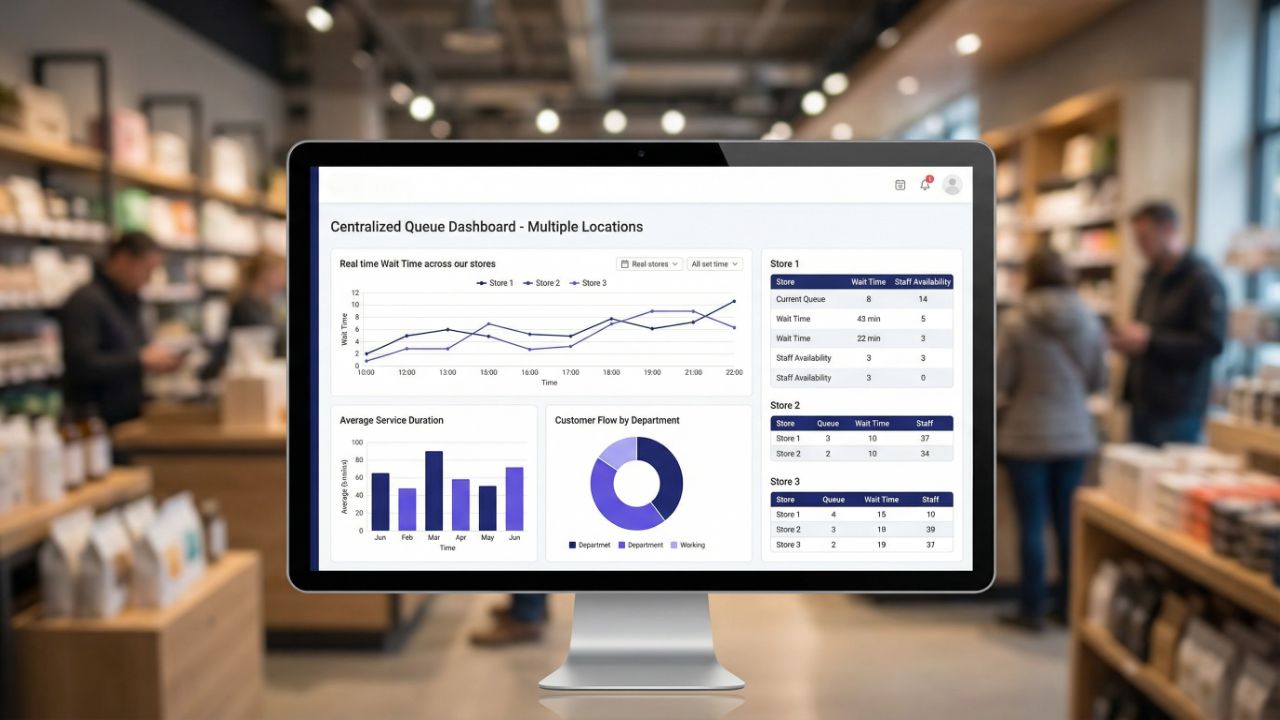
Use data to track visitors, send special offers, and predict how many people will show up next time. Instead of just being a boring line, queues can become a tool to help businesses grow.
Action: List what you currently don’t know about your customers’ arrival and wait behavior. Every gap on that list represents an unmanaged risk.
Sign 10: Your Current Queue System Can’t Scale With Growth
Old, simple systems for lines often break when a business gets bigger. Many growing companies don’t realize their software for handling crowds is too small until it’s too late. Fixing the problem in a hurry usually costs a lot more than just getting a better system in the first place.
When you try to fit more people into a system that wasn’t built for them, everything starts to fail. Switching to a digital, cloud-based system allows you to handle a much larger crowd easily. It can even help you find and fix hidden “traffic jams” in your service. Growth will always show you where your system is weak, so it is better to be ready before the crowd arrives.
If you want to explore or switch to cloud software for managing your business operations, read:
Cloud Queue Management for 2026: The Smart Way to Streamline Your Business
Action: Map your queue infrastructure against your 12-month growth projections. Identify where the breaking point would occur.
Conclusion
Lost revenue, dissatisfied customers, exhausted staff, and decisions made without data are not isolated problems. They are interconnected symptoms of a queue management gap that compounds quietly until it becomes impossible to ignore.
Businesses that adopt digital queue management systems often see major improvements in customer experience. Industry studies show that organizations implementing smart queue solutions report up to a 45% improvement in customer satisfaction due to shorter wait times and more transparent service processes. That improvement doesn’t come from a single change; it comes from resolving the cascading failures that unmanaged queues create across every layer of the operation.
The entry point doesn’t need to be complex. Identify the one sign on this list that resonates most directly with your current operation. Start there. Test a digital queuing tool against that specific problem this month.
Queue management is not a back-office efficiency question. It is a customer experience decision, a revenue protection strategy, and, for businesses serious about growth, a foundational piece of operational infrastructure.
Fix the queue. The downstream effects will follow.
Ready to see how a digital queue management system fits your operation? Connect with the Qwaiting team for a tailored demonstration.