
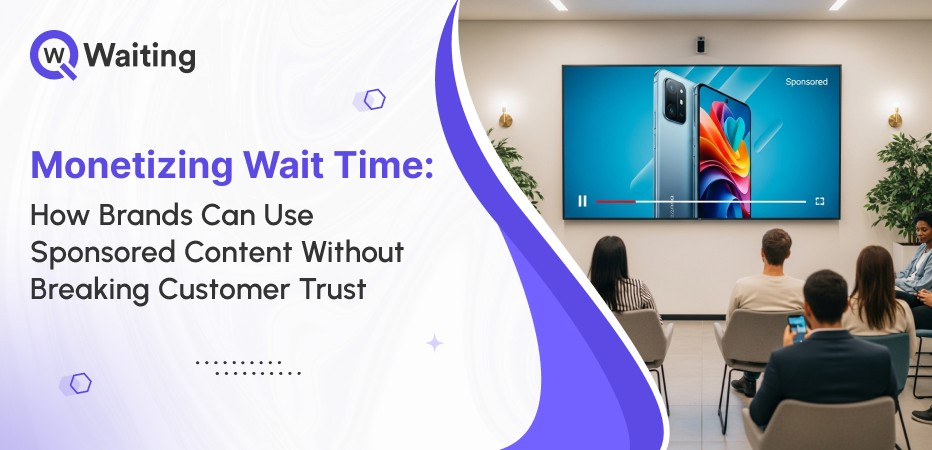
Waiting used to feel like a waste of time. Businesses saw it as a problem, tried to make it shorter, said sorry for it, or just pretended it wasn’t happening. Now, things are different. Everyone is always looking at their smartphones. People also cannot focus on regular ads for very long anymore. Because of this, the waiting time changed. If a customer is waiting for 3 minutes, you have their full attention. They cannot leave or look away easily. Companies started to realize that this waiting time is actually a chance to connect with customers.
Here is something interesting to know: Customers do not actually hate seeing ads while they wait, they just hate feeling tricked. They dislike hearing loud, pointless things when they are already feeling worried or stressed.
But if the ads are done correctly, they can be helpful. Good content will actually make the waiting time better. When this happens, customers will watch it. If a business wants to make money during the waiting time, it has to be careful. They must know the difference between adding value and losing the customer’s trust.
The New Reality of Wait Time — And Why It’s Becoming a Revenue-Generating Option
The main question is not whether you can make money from waiting time. It is already happening! Your business rivals are doing it. Other companies that quickly understood how customers think are also doing it. Brands have figured out that just sitting there and passively waiting is an old idea. That kind of waiting belonged to a time before everything was digital.
Here’s why ads are important:
Why Modern Consumers Don’t Tolerate Passive Waiting Anymore
If you go to a bank, a doctor’s clinic, or a regular store, you will see it right away. People are not looking at the walls anymore. They are looking at their phones. They want to know where they are in the line. They want updates and demand to know how long it will take. The simple rule changed from “I will just wait here” to “Tell me what’s going on, keep me busy, or I’m leaving.”
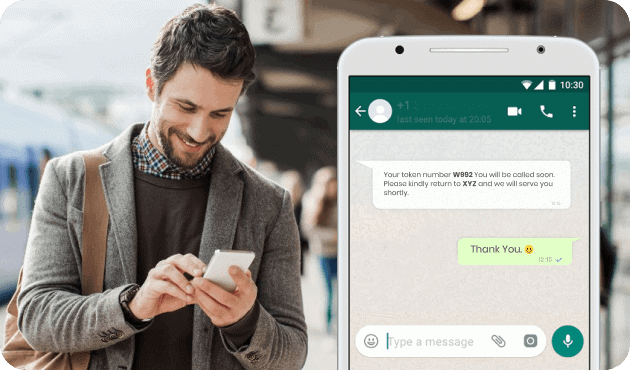
New queue systems that let people wait using their phones or virtual systems did more than just clear up crowded rooms. They completely changed how people feel about waiting. When customers can check their place in line and get alerts, the wait does not feel like wasted time anymore. This change created a chance for companies. They can now share very short messages with customers. This works because customers are not trying to avoid these messages like they avoid regular ads.
Why Brands Are Investing in This High-Intent Window
Most advertisements have to fight hard to get noticed. You see them everywhere, like on social media or those short video ads before a YouTube video starts. No one really clicks on simple banner ads anymore.
But getting customers to look at ads while they wait is different. They are already focused on the screens, kiosks, or messages that the business controls. That is why very short ads at certain moments have become popular. Companies are learning that ads shown during the wait time often work better than regular internet ads. They get more attention and make people buy things more often.
How Wait Time Became a Strategic Communication Channel
This change did not happen quickly, but it is real. Big companies all over the world have changed their minds. They are no longer trying to get rid of waiting time completely. Instead, they now see it as a useful way to talk to customers.
Some companies use this time to get customers to sign up for reward programs. Others use it to sell extra products. Some teach customers about their online services. They also answer common questions on the screen before the customer even talks to an employee. This helps lower the number of people who need to call the help center.
The main goal is not only to make money. It is also about being efficient, or working better. When customers arrive already informed and interested, it takes less time to help them. People become happier with the service. This means waiting time is no longer a problem that costs money. It starts to be a helpful thing that makes money for the business.
Sponsored Content Inside the Queue Journey — What Works and What Breaks Trust
The worst mistake is treating ads shown while people wait like a simple outdoor sign. Customers can quickly tell if a business is just trying to make money off them. If they feel like your company is trying to profit from their frustration while they are waiting, it will quickly destroy their trust in you.
The Fine Line Between Helpful and Intrusive
Customers will actually be okay with ads, and may even pay attention to them, if the ads relate to why they are waiting.
For example, a health clinic showing tips on staying healthy or reminders about medicine shots works well. But if that same clinic shows ads for car insurance, it feels wrong. That kind of ad is annoying and shows they are not thinking about the customer. It will definitely cause complaints.
Being relevant is not just a nice thing to do; it is the most important thing. The moment your ad content doesn’t match what the customer is there for, they will immediately stop trusting your business.
Non-Disruptive Sponsored Content Formats That Resonate
The best ways to show this content do not stop the customer’s journey. Instead, they make it better.
- Digital screens that match the service feel natural. For example, a bank showing money tips or a store showing guides on how to care for a product works well.
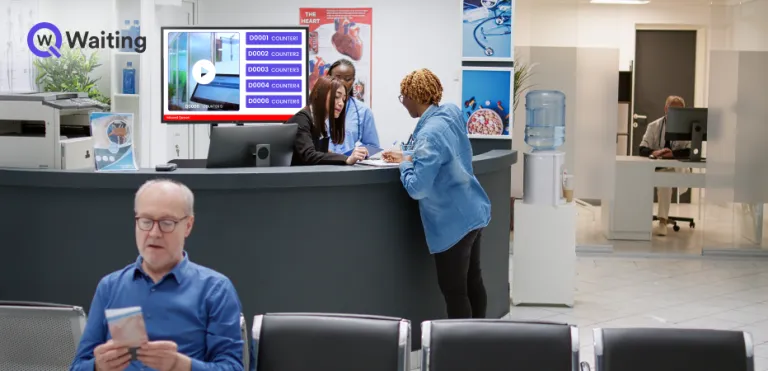
- Machines where you serve yourself can suggest upgrades right when you are checking out. Customers actually expect this now.
- Alerts sent to people waiting in a virtual line also work if the timing is right. For example, reminding someone their membership is about to end while they wait for their appointment makes sense.
One store tested selling extra items to customers who had appointments during busy times. They used screens to show related products based on what the person bought before. They only showed these ads if the wait was longer than 5 minutes.
The result was great! They sold 22% more extra items and had no extra customer complaints. This happened because the customers saw the content as being helpful, not just as a business trying to sell them something.
Compliance, Transparency, and Respect for the Customer
In places that offer important services, like doctors’ clinics, government buildings, or banks, the situation is more serious. Customers waiting there often feel stressed or worried. They might also be dealing with very private issues.
Because of this, being honest with them is very important. If the content you show them is an ad, you must tell them it is sponsored. If you use information about how they act to show them certain messages, you need to be clear about that, too.
Telling people this information does not make them less interested. Instead, it builds trust. When customers trust you, it is the only way to keep making money from the waiting for a long time.
Common Mistakes Brands Make With In-Queue Sponsored Content
There are a few bad things businesses do when showing ads while people wait:
- They put too many ads on the screens, one after the other, too fast.
- They show general ads and have nothing to do with why the customer is there right now.
- They use loud ads that interrupt people and feel like a surprise attack (ambush marketing).
The biggest mistake is not checking how customers feel after they leave. You cannot just count how many times people saw the ad and say it was a success. If customers leave feeling annoyed, the business has lost more than it gained. This is true even if the business made a little money right away.
Best Practices for Ethical Monetization: The Framework Leaders Follow
The brands getting this right aren’t winging it. They’re following a framework that treats customer trust as the primary asset, not a trade-off.
Rule 1: Let Customer Intent Lead Every Interaction
Sponsored content should never hijack the journey. It should support it. If someone’s waiting to pay a bill, show them how to set up autopay or access digital statements, not an unrelated product pitch. The value-first principle is simple: if the content doesn’t help the customer accomplish what they came to do, don’t show it. Intent isn’t just a buzzword here, it’s the filter every piece of content should pass through.
Rule 2: Build Trust Through Transparency

Simple messaging cues make all the difference. A small “Sponsored Content” label. A note explaining why certain offers appear. Customers don’t need you to pretend you’re not monetizing, they just need you to be honest about it. What’s interesting is that transparency doesn’t hurt conversions. In most cases, it boosts them because clarity reduces friction and builds confidence.
Rule 3: Data Should Empower, Not Exploit

Behavior-based prompts, like suggesting a product based on service type, are smart. Personal profiling that feels invasive? That’s where you lose people. The line is context. Using queue analytics to understand peak times, common questions, or service bottlenecks? That’s ethical.
Mining personal data to target vulnerable customers with upsells during stressful moments? That’s exploitation, and it will backfire.
Rule 4: Test, Refine, and Respect Feedback Loops
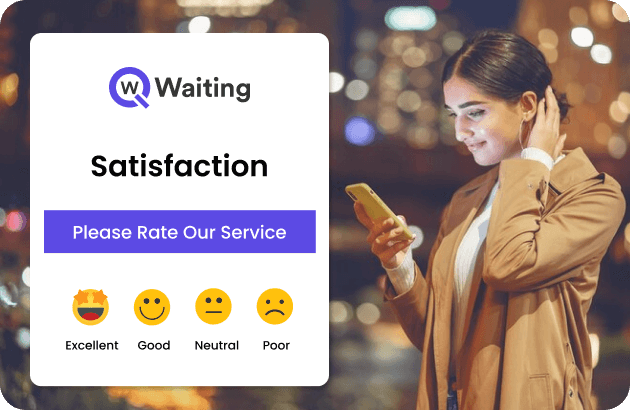
You can’t set this up once and walk away. Measure sentiment through post-visit surveys. Track engagement metrics, but also track complaints, walk-aways, and Net Promoter Score changes.
Create a structured optimization cycle where feedback directly informs content decisions. The best systems evolve based on what customers actually respond to, not what marketing assumes they want.
Risk & Compliance Considerations Leaders Must Not Ignore
GDPR, consent laws, privacy regulations, these aren’t optional checkboxes. In healthcare, you can’t target patients with pharmaceutical ads without explicit consent.
In government services, you need to avoid even the appearance of favoritism or manipulation. Creating internal governance for sponsored content isn’t bureaucracy; it’s the guardrail that keeps you out of legal and reputational trouble.
Must Read: Kiosk Branding That Sells: On-Device Offers and UX That Drive Real Results
The ROI Story: Measuring Impact Without Sacrificing Customer Trust
If you’re measuring success purely by impressions or ad revenue, you’re missing the point. The real ROI includes metrics most marketing dashboards ignore.
The Metrics That Actually Matter
Engagement quality beats raw impressions every time. Are customers actually watching, or are they tuning out? Conversion lift matters, but so does perceived wait-time reduction. If sponsored content distracts customers enough that five minutes feels like three, that’s a win for operations. And customer sentiment indicators, NPS changes, complaint rates, and post-visit surveys tell you whether you’re building trust or burning it.
How Trust Becomes the Hidden ROI Multiplier
Short-term revenue is easy to measure. Long-term brand affinity? That’s harder, but it’s what separates sustainable monetization from extractive tactics. When customers trust that your sponsored content is actually useful, they come back. They refer to others. They engage with future offers instead of mentally blocking them out. Trust doesn’t just drive repeat visits, it compounds every other ROI metric you care about.
A Simple Roadmap for Leaders Getting Started
Start by identifying the most impactful micro-moments in your customer journey. Where are people waiting? What are they thinking about at that moment? Then choose formats that add value, not noise.
If you’re a bank, provide financial literacy tips during branch wait times. If you’re a clinic, health reminders, or prescription refill prompts. Build ethical guardrails for all content, clear disclosure, relevancy filters, and opt-out mechanisms. And create a measurement loop tied to both experience and revenue. Track conversions, yes, but also track trust.
Future Trends Leaders Should Prepare For
Predictive content based on customer journey stages is already happening in early-stage platforms. Anonymous personalization models will get better, allowing tailored experiences without invasive tracking.
Micro-moment ad formats are expanding beyond private facilities into airports, transit hubs, and other public infrastructure. And sponsored content is starting to blend into customer-assistive experiences, where the line between “ad” and “service” becomes nearly invisible.
Conclusion
Monetizing wait time isn’t about squeezing revenue out of captivity. It’s about recognizing that those 3 minutes were always valuable, you just weren’t using them well. The brands winning here understand that trust and revenue aren’t opposing forces. They’re interdependent. Sponsored content works when it respects intent, adds value, and treats transparency as a feature, not a liability.
The platform infrastructure to do this well already exists. Systems like Qwaiting give operations leaders the control to deliver journey-aware, contextually relevant content without disrupting service flow or overwhelming customers. The question isn’t whether this approach works, it’s whether you’re ready to implement it with the same care you’d bring to any other customer-facing experience.
If you’re serious about turning wait time into a strategic asset, start small. Test one high-traffic moment. Measure sentiment alongside conversions. Refine based on what customers actually respond to.
Book your 14-day free trial with Qwaiting today, and never forget: the goal isn’t just to monetize attention, it’s to earn it.