
In the past, managing waiting lines was just a simple job. People would walk in, stand in lines for hours without complaining, and leave when they were done. Nowadays, with rising customer expectations and fear of losing a potential customer to the wait line, companies are making it a top priority.
Instead of just trying to make lines move faster, leaders want to make sure customers still trust the brand and that teams do not get too stressed. For large companies that help thousands of people every day, an effective queue management software is more than just a tool; it helps the whole business run better.
This guide helps leaders select the best queuing software for enterprises to manage long customer lines, ensuring their systems operate efficiently and businesses run smoothly.
Why Queue Management Software Is a Strategic Enterprise Priority in 2026
Enterprises must realize that poor waiting lines hurt their customer trust and profits. Managing these lines correctly is now a major way to save money and keep customers happy. With growing customer demands and rapidly evolving technology, here’s why having queue management software is a must-have for businesses in 2026:
From “Managing Lines” to Orchestrating Enterprise Experiences
Waiting lines are about more than just time. They show customers if a business is fair and organized. An unorganized line looks messy and frustrates customers, resulting in quick walkaways, but a good one builds trust. Big companies handle thousands of customers, so these moments really matter for their reputation.
The Hidden Cost of Poor Queue Experiences at Enterprise Scale
Losing customers in line costs a lot of money and trust. When lines are bad, teams get stressed and quit, which makes service worse. If a company uses messy systems, leaders cannot fix problems before they grow. One bad experience in one city can ruin the brand’s reputation everywhere. The risks grow bigger every single day.
2026 Enterprise Reality: Why Legacy Systems Are Breaking Down
Traditional queuing methods cannot keep up with how people shop today. Many customers now use their phones to join lines or make appointments. When stores get very busy, these old systems often fail. This makes leaders look bad because they see complaints online before they even know there is a problem. Companies need smart systems that help them make better plans.
For enterprises operating at scale, reliability is just as important as innovation. That’s why forward-looking organizations are moving toward cloud-first queue systems with offline continuity, ensuring customer flow never breaks, even when networks do.
What Enterprise Leaders Actually Expect in 2026
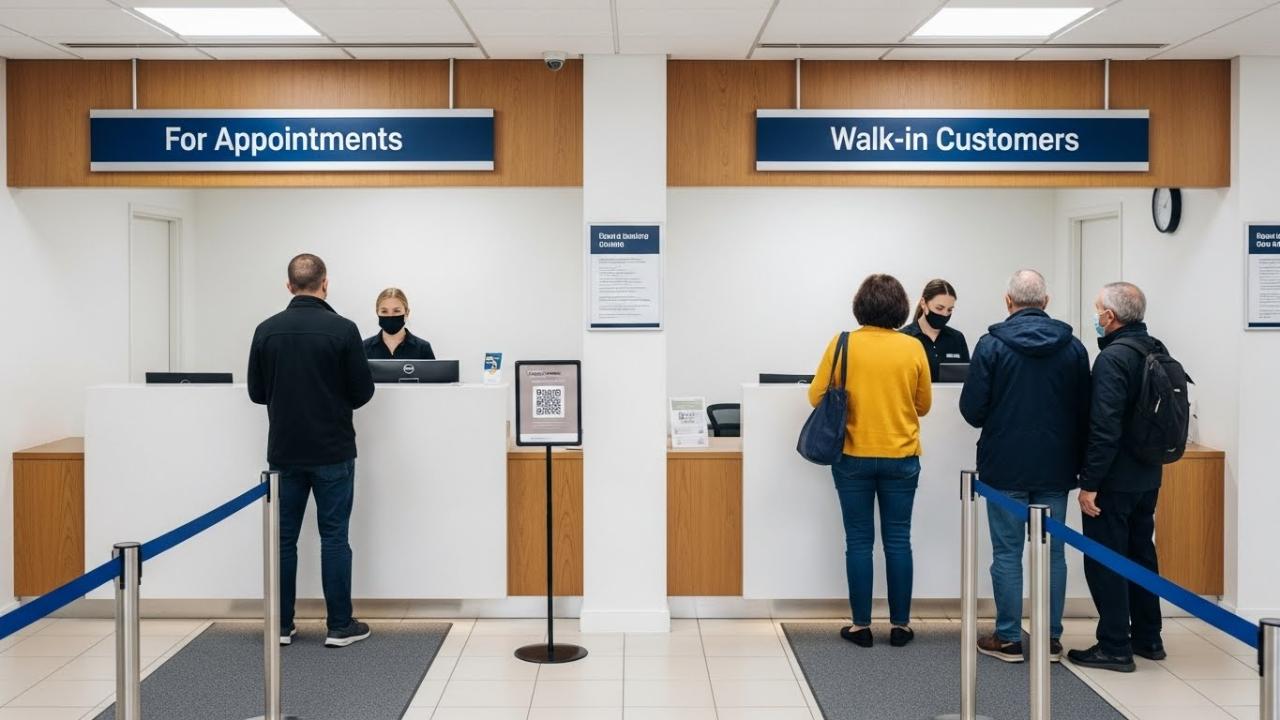
Modern business leaders want one simple tool that manages appointments and walk-in lines all in one place. They want to predict the future instead of just fixing problems as they happen. A good queuing system must show it can help the business make more money and keep workers happy. Success is now measured by facts, like how fast customers are served.
What Makes a Queue Management Solution Truly Enterprise-Grade
Basic tools only work in a few spots. Real enterprise Queue systems connect everything and work across many locations. The difference between a basic tool and an enterprise platform comes down to architecture, governance, and how deeply it connects to the rest of your operation.
Here’s what separates the two.
Evaluation Framework: Metrics That Matter to CXOs and Boards
Moving fast is not enough. Companies now focus on serving more people well. They want to make sure every customer gets the same help, no matter where they are. Leaders need clear reports that help them make smart choices quickly. The main goal is to prove that the business is helping more people in a much better way.
Omnichannel Journey Orchestration (Not Just Queues)
Customers don’t think in channels. They book appointments online, check in via mobile, and want their spot ready the moment they arrive. Good software connects every device and worker so everyone has the same information. This stops different departments from working alone. When all these tools talk to each other, the customer’s experience feels smooth and easy instead of messy and confusing.
Enterprise Integrations & Architecture Readiness
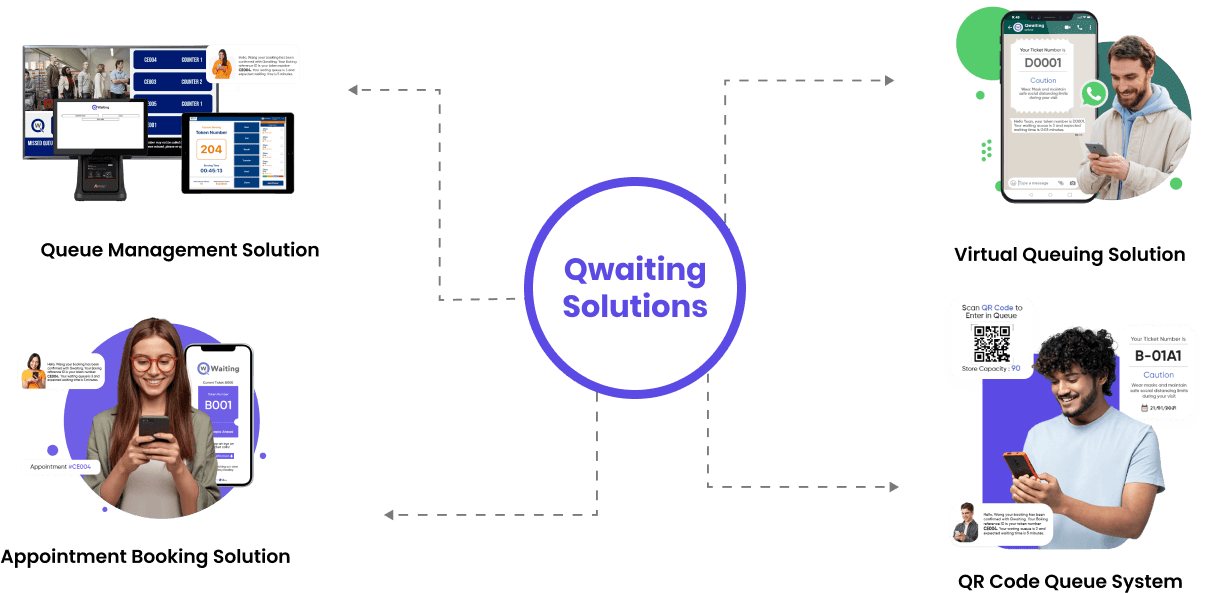
Line systems must work with other tools, like customer lists and message apps. They need to share information deeply and easily. Some companies need to keep data on their own computers, while others use the internet. A great queue system should be flexible. It must fit the way a company is already built instead of forcing the company to change.
Security, Compliance & Global Governance

Data privacy laws differ by region. GDPR in Europe, HIPAA in U.S. healthcare, sector-specific rules in banking and government, your queue software must handle all of it without creating compliance gaps. Role-based access ensures only authorized users see sensitive data. Audit trails prove governance when regulators ask questions. Global enterprises can’t afford vendors who only understand one market or treat security as an afterthought.
Total Cost of Ownership (TCO) vs Sticker Price
Buying the system is only the first cost. If you rely on special machines, you are forced to buy more as you grow. Replacing a wrong system later is very expensive because you have to move data and retrain everyone. Smart leaders look at the total cost for five years to make sure the system is truly a good deal.
The Best Queue Management Software for Enterprises in 2026
This isn’t a feature checklist. It’s a strategic fit assessment. The platforms below were chosen based on how well they handle the demands enterprises actually face: multi-location complexity, deep integrations, global readiness, and the ability to evolve alongside your business.
How This List Is Evaluated
A good system must work perfectly whether a company has five stores or hundreds. It needs to give smart advice, not just pretty dashboards. It must also work in different languages and follow local laws. Finally, the system must connect with tools you already use and be run by a stable company that will keep improving for years.
Enterprise Leader #1: Best for Omnichannel Experience Orchestration
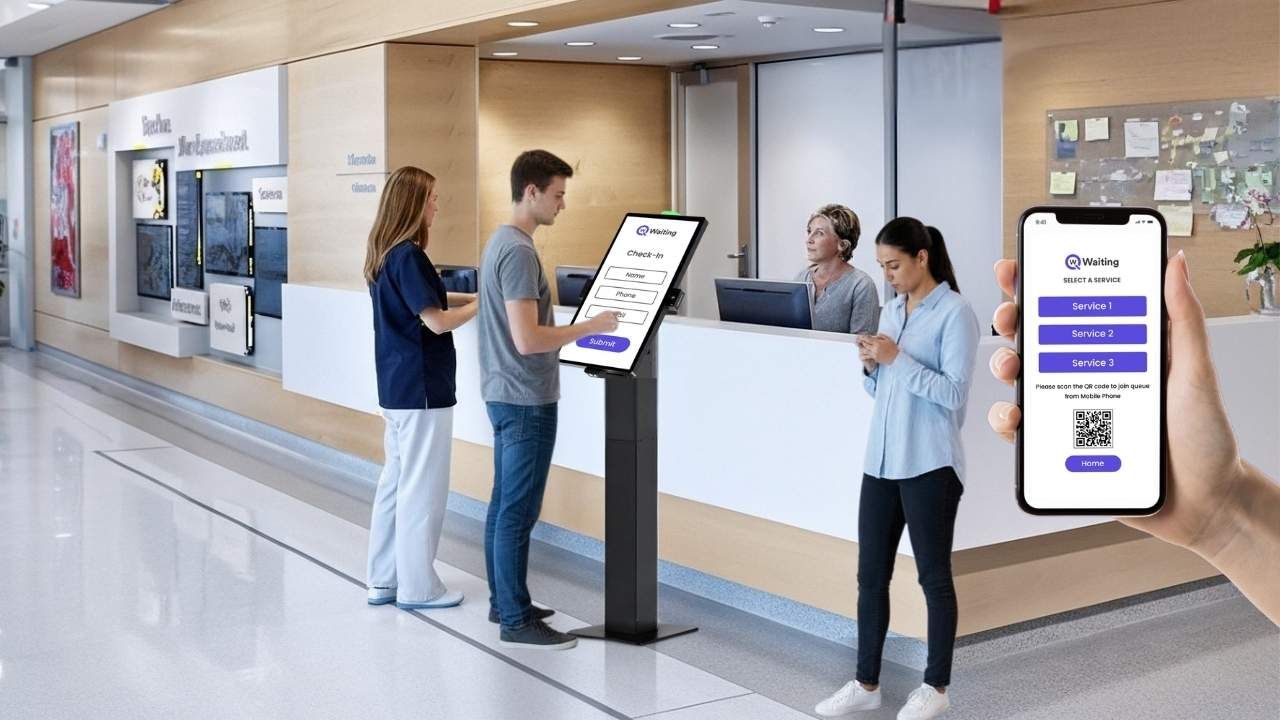
Qwaiting stands out for unifying the customer journey, managing walk-ins, appointments, mobile check-ins, and kiosks into one orchestrated experience. Its key strength lies in providing consistency across all channels, ensuring that customers receive the same quality of service whether they book online or arrive without an appointment.
Various industries, such as healthcare, retail, and banking, utilize Qwaiting to eliminate service fragmentation and offer leadership real-time visibility into the performance of each location. Businesses choose Qwaiting when they need a single system to replace multiple disconnected tools.
Enterprise Leader #2: Best for High-Volume, Multi-Location Operations
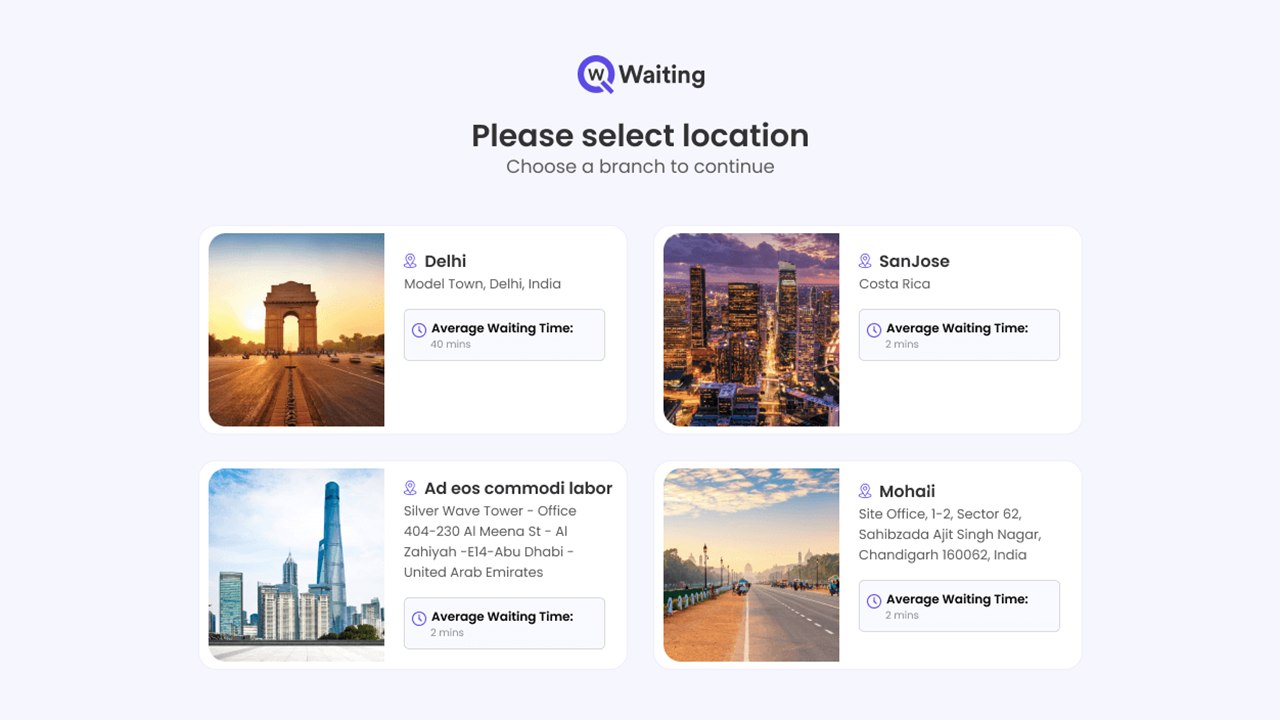
Some systems are built to handle huge crowds across hundreds of locations. They focus on being fast and predicting when things will get busy. These are perfect for big groups, like government offices or large stores. The reports show patterns across different cities and times. They are also easy to set up in many places at once without needing special changes.
Enterprise Leader #3: Best for Compliance-Heavy Environments
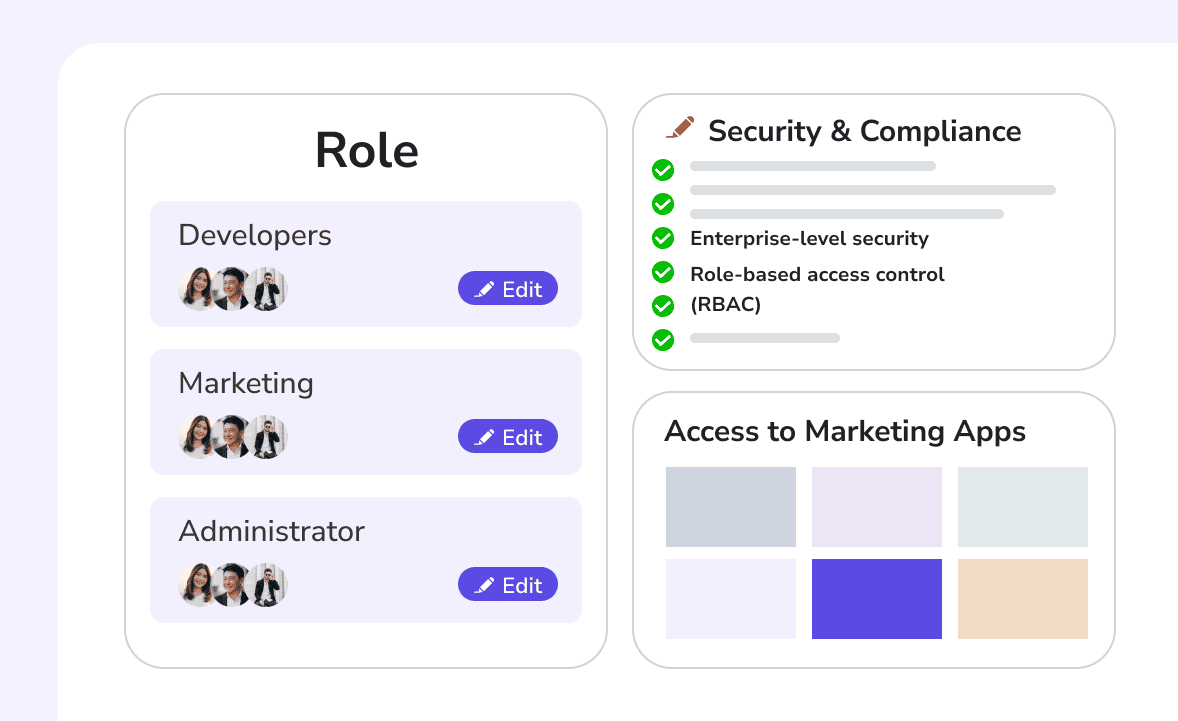
In hospitals and government offices, following privacy laws is the most important rule. Some systems are built specifically to keep personal records safe and private. They use strong security and secret codes to protect information. These companies focus on being safe and reliable rather than just having fancy new features. Leaders choose them to avoid risks and make sure they are always following the law.
Quick Comparison: Which Platform Fits Your Enterprise Profile?
| Platform Type | Best For | Deployment | Analytics Depth | Integration Strength |
| Omnichannel Leader | Unified CX across touchpoints | Cloud, Hybrid | Executive-ready | Deep CRM/ERP sync |
| High-Volume Specialist | Multi-location scale | Cloud-native | Predictive + real-time | Strong API ecosystem |
| Compliance-First | Regulated industries | On-prem, Hybrid | Audit-focused | Healthcare/Gov systems |
For enterprises focused on immediate operational impact, this guide outlines a proven 30-day framework to reduce customer wait times, transforming queue performance from reactive to strategic.
Enterprise Success Stories: Real Outcomes, Not Feature Claims
Technology only helps if it fixes real problems. These stories show how big companies improved by focusing on results.
Retail Enterprise Case: How FairPrice Served 10,000+ Customers During Black Friday Without Chaos

FairPrice Group is a huge store chain in Singapore that serves thousands of people. During big sales, the stores used to be very crowded and stressful for workers. It was hard for staff to talk to managers or fix problems quickly.
After using Qwaiting, managers could finally see exactly what was happening in every store on a screen. Workers could send alerts instantly if they needed help. During their busiest sale, they helped over 10,000 people without any trouble or complaints. The data helped leaders put workers where they were needed most, making everything run smoothly.
Healthcare Case: How Apollo Hospitals Transformed Patient Flow Across 77 Branches
Apollo Hospitals, with 77 branches, struggled with long wait times and disconnected systems that forced staff to use two separate platforms. Manual tracking led to errors and crowded waiting rooms.
By implementing Qwaiting, patients used kiosks to check in and pay, while SMS alerts kept them informed. Smart routing automatically sent people to quieter departments. Managers gained a single dashboard to monitor all locations using AI predictions. Consequently, wait times dropped by 30 minutes, and staff workload fell by 40%. Apollo transformed its operations into a seamless, unified healthcare network.
How Enterprise Leaders Should Choose the Right Queue Management Software in 2026
Choosing the wrong system for a big company can cost millions and waste years. A good choice becomes a seamless part of your business that you don’t even have to worry about. To choose wisely, you must look past simple features and focus on how the system fits your long-term goals and reduces risk.
Start With Outcomes, Not Features
Start by identifying your core business goal: speed, consistency, fairness, or growth. If you want to protect revenue, choose a system that stops people from leaving. If you want equal quality everywhere, focus on consistency across locations. Always match a software’s features to the specific results your business needs before you start looking at any tools.
Implementation Reality: Change Management at Scale
Technology is easy, but getting teams to change is hard. Success requires training in multiple languages and helping staff who fear new tools. If leaders don’t support the change, managers won’t either. Treat your rollout as a complete business transformation rather than just a quick IT update to ensure everyone stays on board.
AI Readiness vs AI Hype
AI is a powerful tool for predicting busy times and routing customers, but it shouldn’t be a “black box” that no one understands. In high-stakes industries like banking or healthcare, you must be able to explain exactly why the AI made a specific decision.
To ensure accountability and fairness, ask potential vendors these key questions:
- Explainability: “Can the system provide a clear reason for why a customer was routed or prioritized in a certain way?”
- Human Control: “Is there a simple way for staff to override AI decisions when they see a unique situation on the floor?”
- Bias Prevention: “How do you test your data and algorithms to make sure they aren’t treating certain groups of people unfairly?”
True enterprise AI helps humans work better; it doesn’t just replace their judgment with mystery code.
Future-Proofing the Investment
Markets and customer needs constantly change. When choosing a system, look at where the company is going, not just what it does today. Check if they invest in new research and if they are building for the future. You need a partner who adapts to your feedback, not just a vendor selling a product.
Final Thought for Enterprise Leaders
Waiting is inevitable, but a poor experience is not. The tools you choose define your brand, your staff’s morale, and your leadership’s insight. In 2026, queue management is no longer about just organizing lines; it is about mastering a system that creates seamless, fair, and data-driven service.
Is your enterprise ready for the next step? The right enterprise queue management software depends on your unique goals. Use these benchmarks to grade your current system, then start a strategic conversation about your future needs. The perfect fit is out there; it’s time to find it.
Book your 14-day free Qwaiting trial today and transform your business operations for better profits.