
Walk into any corporate lobby, hospital entrance, or government building today, and you’ll witness a defining operational moment. Someone arrives. They need access. And in the span of 90 seconds, your organization either signals competence and control—or confusion and risk.
Many leaders do not realize how much work happens at the front desk. This spot is where the building stays safe and follows the law. It is also where people form their first opinion of the company. When a visitor walks in, all these important tasks happen at once. If a business still uses paper lists and messy rules, they are in trouble. Busy staff members at the desk often struggle to keep up with everything on their own. Using old methods makes the company look behind the times and leaves the building open to many risks.
Why Visitor Management Has Become a Business-Critical Function
Checking in visitors is now a major safety issue. If you do not know who is in your building, your whole company is at risk and looks disorganized. Here’s how security reasons can break your customer trust:
The Hidden Cost of Unmanaged Visitors
Paper logs are a big risk. They make it hard to find records during an audit or an emergency. This keeps the building unsafe and wastes a lot of time. Workers spend hours writing notes and calling people. These small mistakes add up. This slows down the whole office and makes everyone less productive.
When Visitor Management Fails: Real-World Breakdown Scenarios
Old systems do not break all at once. Instead, they slowly fall apart. People start skipping rules or forgetting to sign in. Soon, the safety rules are ignored. During an audit or an emergency, leaders find out their records are a mess. They cannot see who was inside or who allowed them in. This is not just a desk mistake; it is a big leadership failure.
How Visitor Experience Shapes Trust Before the First Conversation
First impressions matter the most, and customers often form an opinion of your company in just 30 seconds. If they have to wait in long lines or watch staff struggle, they think you are messy and disorganized. This tells them you were not ready. However, a fast and clear check-in shows you are professional. It proves that you are prepared and that you respect their time.
First impressions are formed before a single conversation happens—this is why Visitor Management Systems Transforming Guest Experiences has become a strategic priority for modern organizations.
What a Modern Visitor Management System Actually Does
A visitor management system (VMS) answers three questions: Who is here? Why are they here? Are they allowed to be here? It does this quickly without creating risks or extra work. Let’s see how these advanced check-in systems work:
Digital Check-In, Pre-Registration, and Touchless Entry
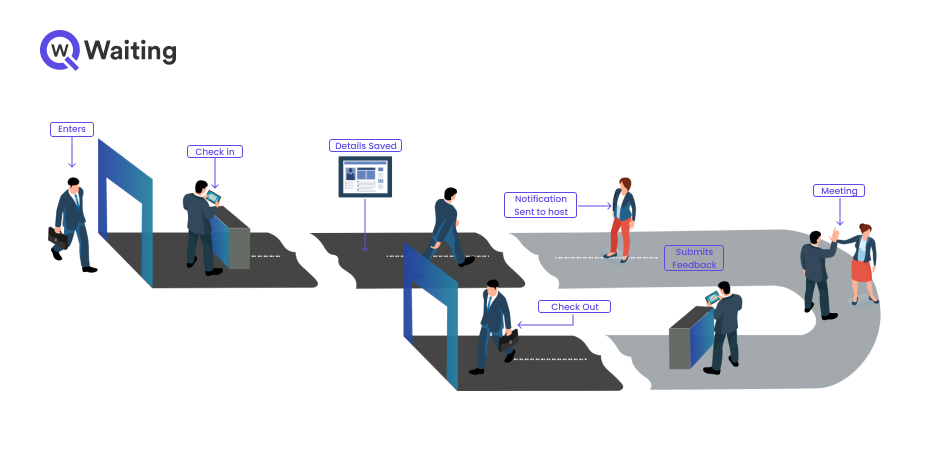
Planning ahead makes visits easier. Visitors get info like QR codes before they arrive. They can check themselves in using a tablet or phone in under 30 seconds. This means the front desk staff only helps with special problems. The system works even during busy times or when the desk is empty. It makes the whole process much faster and more reliable for everyone.
Real-Time Visibility Across Locations and Teams
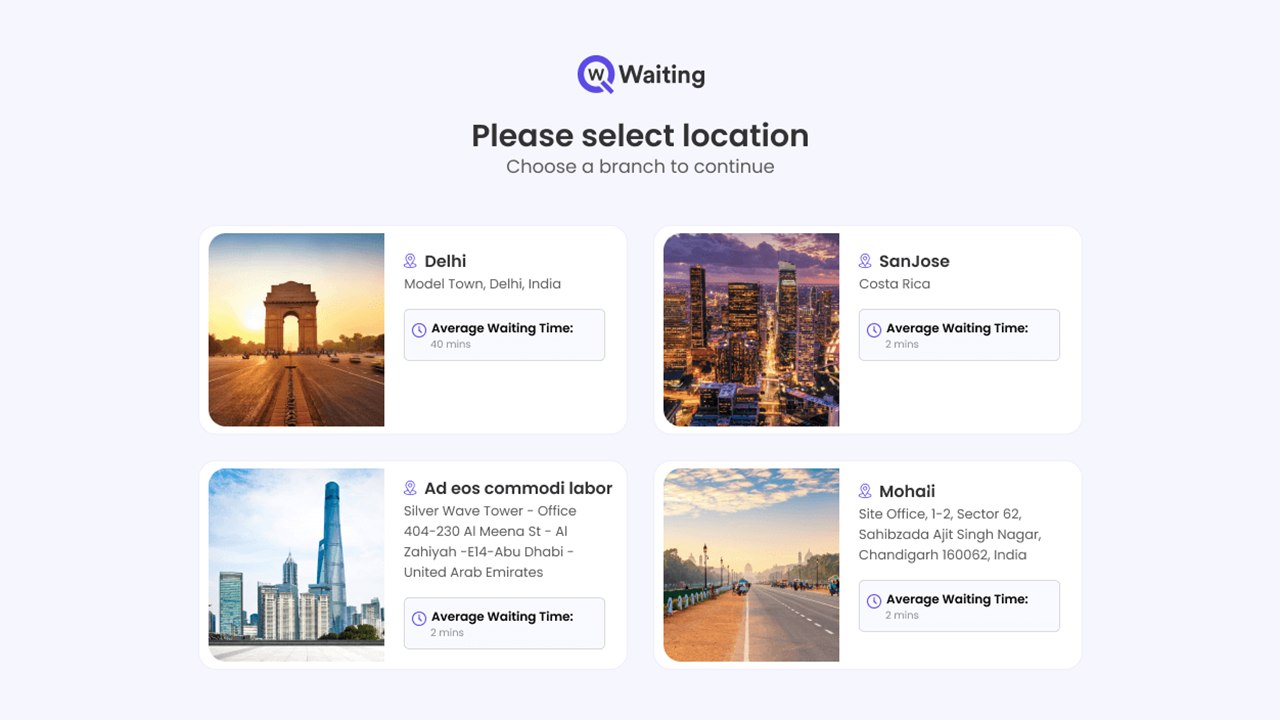
Modern VMS tell you exactly who is in your building right away. Security can watch every location from one screen while each office handles its own visitors. This is very important during emergencies like fires. Paper lists are too slow, but digital systems give you an instant headcount. This keeps everyone safe and helps leaders stay in control during a crisis.
Compliance, Audit Trails, and Policy Enforcement
In the past, people had to guess who visited a building. Now, software can track everything automatically. The system records the time, the approval, and signed safety forms before anyone enters. This is very important for hospitals and banks that have strict rules. Even for normal offices, these digital records protect the company. If something goes wrong, you will always have the facts ready instead of searching through old papers.
Traditional Visitor Log vs Modern Visitor Management System:
| Capability | Paper Log | Digital Visitor System |
| Security | Incomplete, manual | Real-time, verified |
| Compliance | Audit-time scramble | Auto-generated trail |
| Speed | 3–5 min per visitor | Under 30 seconds |
| Data Accuracy | Handwriting errors | Structured, validated |
| Scalability | Breaks at volume | Scales globally |
| Experience | Waiting, confusion | Clear, professional |
Where Visitor Management Delivers the Most Impact
Every company has different needs for visitor rules. Some places, like banks or hospitals, need to be very strict. For these busy or high-security buildings, switching to a better system works right away. They save money and time because things run much more smoothly. They can see the good results and improved safety almost immediately.
Corporate Offices and Enterprise Campuses
Corporate offices have many types of visitors, like job seekers, clients, and delivery people. Each person needs different things when they arrive. A modern system makes these visits easy without being too strict.
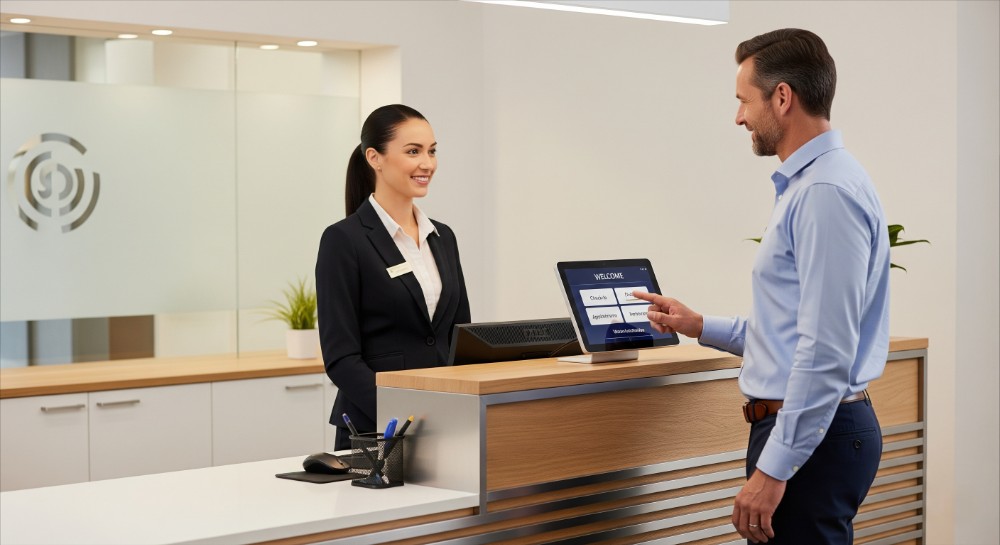
People coming for interviews get special links, while vendors use a simple kiosk. The result? This keeps the building safe but also makes guests feel welcome—across multiple offices, countries, and time zones.
Healthcare, Government, and Highly Regulated Environments
Hospitals and government buildings are very busy and stressful. They have many different people coming in, like families, workers, and officials. Each person has different rules to follow.
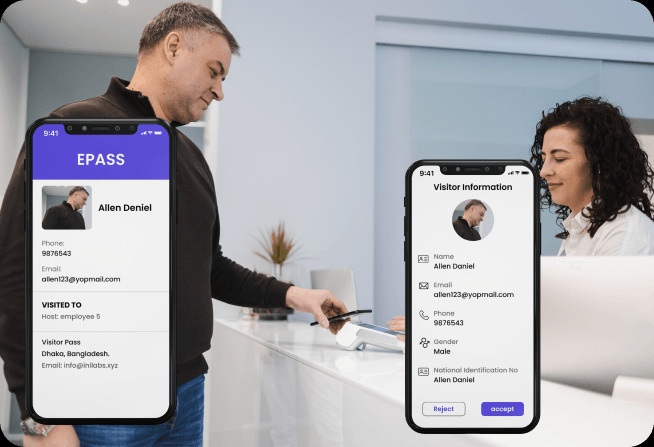
A person at the front desk cannot remember every rule or check every ID during busy times. This leads to mistakes. Digital visitor systems follow the rules automatically. This stops human errors and makes the process fast and fair for everyone.
Manufacturing, Warehouses, and High-Risk Facilities
In high security places, checking in is about more than just being nice. It is about keeping people safe. Workers must learn safety rules before they can enter risky areas. Their access should also turn off automatically when their time is up.
If an accident happens, leaders must know exactly where everyone was located. These systems make sure nobody enters a hazard without the right training. This protects the company from legal trouble and ensures that everyone stays out of harm’s way.
Visitor Management as Part of the Larger Experience Ecosystem
Smart companies connect visitor tools with schedules and security. This makes the entire visit smooth and safe from the moment someone arrives until they leave the building.
Visitor Flow Meets Queue and Appointment Management
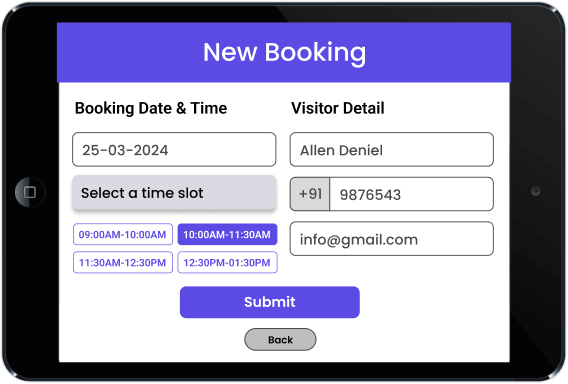
Lobbies get crowded when too many people arrive at once. This happens when there is no plan for busy times. If you connect visitor tools to schedules, people arrive at different times. This makes the check-in fast. The system automatically tells the host that their guest is here. This creates a quiet lobby and a smooth trip for every visitor.
Notifications, Approvals, and Host Accountability
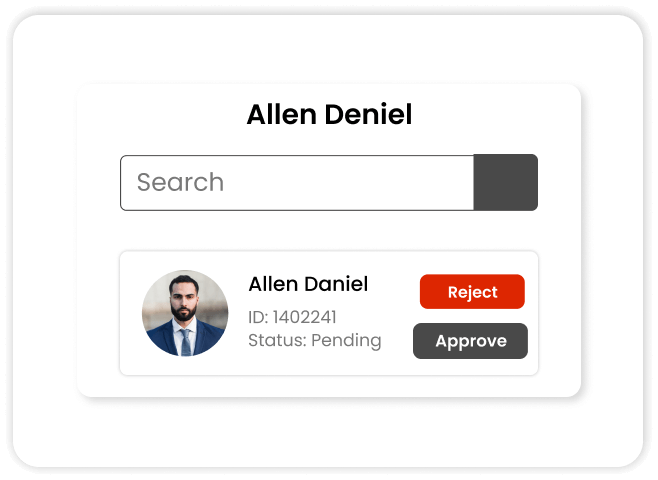
It is annoying when visitors arrive on time but have to wait because their host does not know they are there. Modern systems fix this by sending an automatic “your guest is here” message. If the host does not answer, the system tells someone else. This makes sure no one is forgotten. It keeps everyone responsible and ensures every visitor is taken care of right away.
Turning Visitor Data into Operational Intelligence
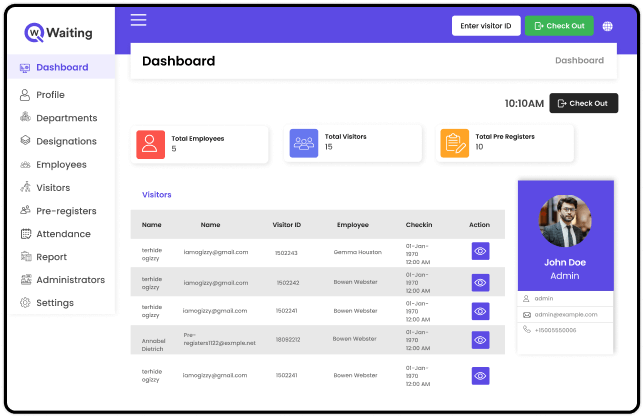
Visitor data reveals patterns like peak hours and staffing gaps. By analyzing these trends, companies can fix delays. If Tuesdays are busy or contractors take longer to check in, you can adjust staffing or improve pre-registration. This data turns simple management into a way to constantly improve the arrival experience and make the office run better.
Visitor management works best when it’s connected to how people move, wait, and stay informed. This is exactly how Digital Signage & Queue Management Create a Better Customer Journey shows the impact of coordinated arrival, communication, and flow control.
How to Choose the Right Visitor Management System
Leaders often choose systems based on feature lists. Instead, they should ask if the tool fits their specific staff, locations, and safety risks. Usefulness matters more than a long list. Here’s how you can select the best visitor management system for your business:
Security, Privacy, and Data Ethics
Visitor data is sensitive and requires protection. A good system captures only necessary info and handles consent clearly. This isn’t just about rules; it’s about building trust. If your check-in feels invasive or confusing, you damage your reputation before the meeting even starts. Protecting personal details like photos and names ensures visitors feel safe and respected.
Global Scalability and Multi-Location Control
Global companies need central security rules with local flexibility. While the head office sets safety standards and NDA requirements, each site should customize its own language and check-in flow. This balance allows the system to grow with the company. New offices or international branches can be added easily without starting over, ensuring the process scales smoothly as you expand.
Change Management and Front Desk Adoption
A great system fails if staff find it too hard to use. It must be simple and intuitive for non-technical users. If employees return to paper logs during busy times, the design is the problem. Choose a system that makes following the rules easier than taking shortcuts. Success is measured by how well your team actually uses the tool.
For easy adoption, it is very important to make sure your staff members feel comfortable using the software. If adaptation is easy then only the customer journey will be improved. If you want a complete guide or tips, trick for easy software adoption, must read our blog:
Staff Adoption Playbook: How to Train Teams on New Queue Technology
Measuring ROI Beyond Security
Security gains are hard to measure until a crisis occurs, but visitor systems offer clear data: time saved per check-in, fewer audit errors, and better guest feedback. Tracking these metrics proves the system’s value to leadership by highlighting operational efficiency and reduced risk, not just technical features.
Choosing the right virtual queue software is a long-term investment that can either make your customer journey smoother or break it. It is very important to know what feature you want in your system go for a system that offers you features like:
- A user friendly interface
- Post service customer feedback collection
- Mobile responsiveness
- 24*7 software support
Conclusion: Visitor Management is About Designing Trust at Scale
Treating visitor arrivals strategically does more than control entry; it shapes how people see your company. The front desk is no longer just a gate, but the first impression of your professional standards. A smooth process shows a well-run business, while a messy one reveals operational cracks. Ultimately, a connected visitor experience builds trust and reduces risk at every location.
If visitors judged your company solely by how they are welcomed, would they feel confident or concerned? Every arrival is a silent evaluation of your professionalism. By using a modern visitor system, you take control of that first impression rather than leaving your brand’s reputation to chance.
Now is the time to make a change and switch to Qwaiting’s smart and secure visitor management system. Book your 2-week free trial today and transform your visitor journey.
