
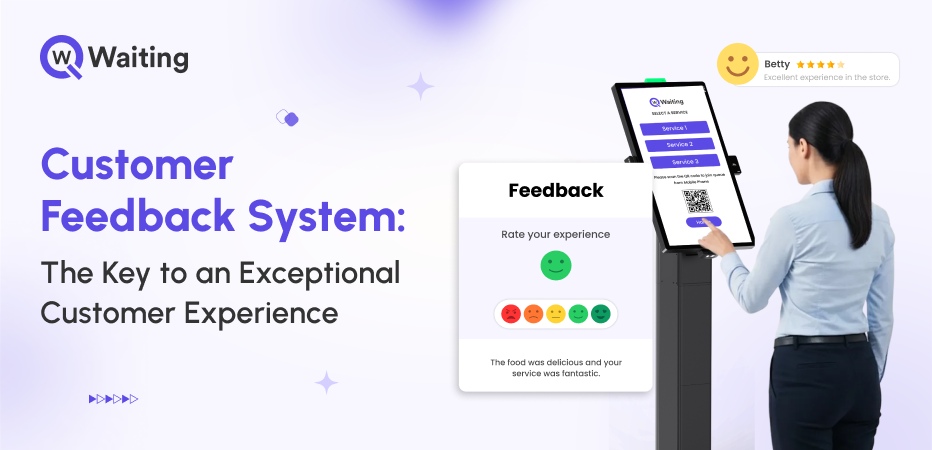
Companies often overlook their mistakes in official reports. Instead, failures happen quietly. Customers leave without complaining, and money slowly disappears. By the time bosses notice the loss, it is often too late to fix the hidden problem.
Many operation leaders think they are doing a great job of listening to their customers. They use surveys and scores to see if people are happy. However, these reports usually arrive too late. By the time a leader sees a low score on a screen, the customer has already decided to quit. This time gap is a significant problem because it allows other companies to win.
Instead of waiting for old reports, smart companies try to catch problems the moment they happen. They treat feedback like a fast-moving alarm system rather than a slow pile of papers. It is not enough to ask people what they think. You have to hear them fast enough to fix the mistake before the next person leaves.
What a Modern Customer Feedback System Really Is (And What It Isn’t)
The phrase “feedback system” is now confusing because people are tired of boring surveys and messy charts. We must look past the paperwork. We need to focus on what feedback really means for a business to truly improve.
Beyond Surveys: Feedback as a Continuous Experience Signal

Real feedback happens everywhere, not just when a company asks for it. It can be a rating someone gives while standing in a store or a quick comment sent inside an app. You can also learn a lot by watching how people act. If a customer quits halfway through buying something, that is a clear signal that something is wrong.
Watching what people do is often more helpful than just reading their scores. Waiting too long to ask for an opinion is a big mistake. One honest complaint caught right when it happens is much more useful than ten surveys sent a few days later. Speed is more important than the amount of data you collect.
From Data Collection to Decision Intelligence

Getting feedback is useless if you don’t understand what caused the problem. Knowing that people are unhappy is just noise unless you know why. You need to see if the issue was a long wait, a rude worker, or a broken machine.
Great systems connect how a customer feels to what is actually happening in the business. They do more than just report what people said. They explain the cause of the trouble and show exactly who needs to fix it right now.
Common Misconceptions That Quietly Break Feedback Programs
Just saying “we use surveys” is a costly mistake for many companies. These scores might show if people like you, but they do not show where things went wrong or how to fix them. If you ask too many questions, customers get tired and stop being honest.
Problems also happen when different teams do not talk to each other. If the marketing team and the store team do not share what they know, no one sees the full picture. Charts that sit on a wall without being used are just decorations. They do not help the business grow.
Here’s how traditional feedback support is no longer a competitive edge for modern business environments:
| Traditional Approach | Modern Feedback Systems |
| Periodic surveys | Real-time signals across the journey |
| Reporting on past events | Decision-ready insights for action |
| Department-owned feedback | Leadership-visible experience intelligence |
| Volume-focused data | Context-rich, prioritized insight |
| Reactive problem-solving | Proactive experience design |
Where Customer Feedback Creates the Most Impact Across the Journey
Feedback is most useful when customers are emotional and making big decisions. Timing matters more than anything else. Here’s where feedback can impact the most:
Entry & Pre-Service Moments: Measuring First Impressions That Matter
How a customer starts their journey matters most. If it is hard to book an appointment or use an app, people will quit before they even start. You will not see these lost customers in your final reports because they left too early.
Good queue feedback systems catch these problems early. By asking for feedback during the sign-up process, you can find out why people are giving up. Fixing these small frustrations keeps customers from leaving. This helps the business stay successful before the problems get too big to fix.
In-Service Experience: Capturing Emotion While It Still Matters
Waiting too long to ask for feedback is a mistake because people forget how they truly felt. Memories change over time, making their answers less accurate. It is much better to ask for feedback while customers are still waiting or right after they finish.
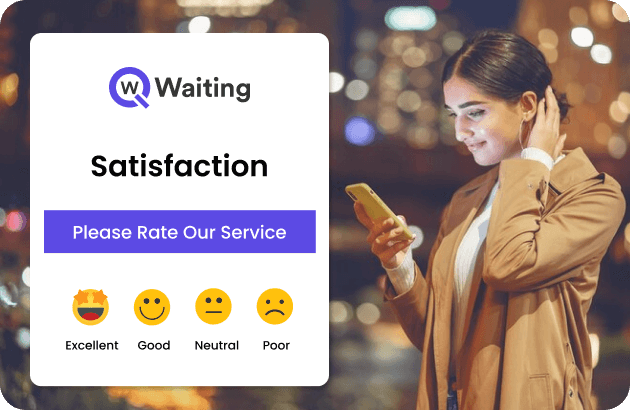
At that moment, their feelings are honest and fresh. If a team hears about a problem right away, they can fix it before the customer walks out the door. This saves the relationship and protects the company’s money.
Post-Service Signals: Retention, Loyalty, and Silent Attrition
The biggest threat to a business is a customer who is unhappy but says nothing. Most people do not complain about long lines; they simply stop buying from you. By the time you notice they are gone, it is too late to win them back.
Smart companies look for small clues that a customer is losing trust. This might show up as a slightly lower score than usual or a change in how often they visit. If you miss these quiet warning signs, you are trying to measure loyalty that has already disappeared.
This silent exit is often visible long before churn shows up in revenue reports. If you want to know how queue abandonment rates impact your business growth, you must read our blog:
The Queue Abandonment Rate: Metric 87% of Businesses Ignore (And Why It Matters)
Turning Feedback Into Action: Where Most Systems Fail
Collecting feedback is easy. Acting on it without creating chaos? That’s where most organizations stall.
Closing the Loop Without Creating Operational Burden
When a company takes too long to reply, customers feel ignored. It makes them believe their opinions do not matter at all. The best queue systems send feedback to the right worker instantly so they can fix problems right away.
Everyone in the company needs to know exactly what their job is when a customer is unhappy. You do not need to write a long letter to say sorry. You just need to show that you listened and actually fixed the problem. Simple “thank you” messages often feel fake, and customers can tell when a company is not being sincere.
Aligning Feedback With Operations, CX, and Revenue
How a customer feels is directly tied to how a business runs. If people are unhappy because they waited too long, that is a problem that costs the company money. These small issues grow over time and cause customers to tell their friends to stay away.
Smart companies treat feedback like a financial warning light. They use it to find patterns that are hard to see at first. Often, the fix is very simple. Once the feedback makes the problem clear, the company can fix it and stop losing money.
Creating a Culture Where Feedback Drives Improvement
Using feedback to punish employees is the fastest way to ruin a business. If workers are afraid of getting in trouble, they will hide mistakes or ignore what customers say. This stops the company from actually getting better because the truth is hidden.
Strong companies use feedback as a tool to help people learn and grow. Leaders and workers look at the same information to find patterns and solve problems together. This creates a culture where everyone wants to improve. Companies that learn from their data succeed, while those that use it for blame eventually fail.
Here’s how businesses can turn raw feedback into action for maximum profits:
| Feedback Signal | Action Taken | Business Outcome |
| Long wait complaints | Adjusted staffing model | 22% reduction in walk-aways |
| Confusing digital onboarding | Redesigned UI flow | 31% increase in completion rate |
| Post-service dissatisfaction | Real-time service recovery | 18% improvement in repeat visits |
What Industry Leaders Do Differently With Customer Feedback
The gap between average and exceptional isn’t technology. It’s how feedback gets used at the decision-making level.
Real-Time Visibility for Leaders Who Can’t Wait
Smart dashboards help leaders see problems before they lose money. Bosses do not need to see every tiny detail. Instead, they need to know which stores are struggling and what common complaints are popping up right now. This helps them step in and help before things get worse.
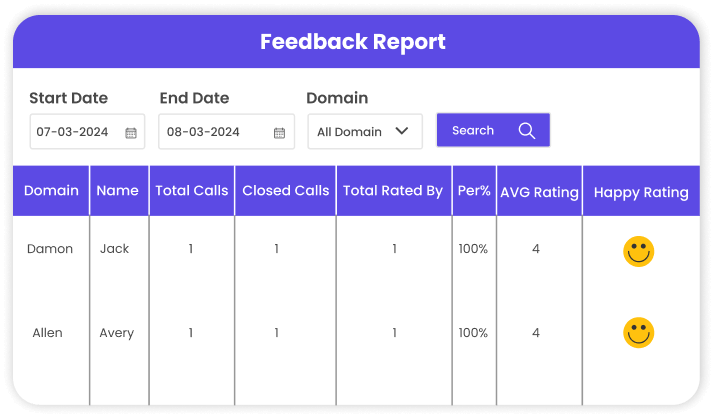
High-level reports should act like a weather forecast rather than a history book. They should not just show what went wrong months ago. Instead, they should predict what is about to break today. This allows leaders to fix issues early and keep the business running smoothly.
Scaling Feedback Across Locations and Channels
Businesses with multiple locations often struggle to stay consistent. A good feedback system helps them compare different branches or teams fairly. It allows leaders to see if a problem is happening everywhere because of a bad rule, or if it is just one specific store that needs help.
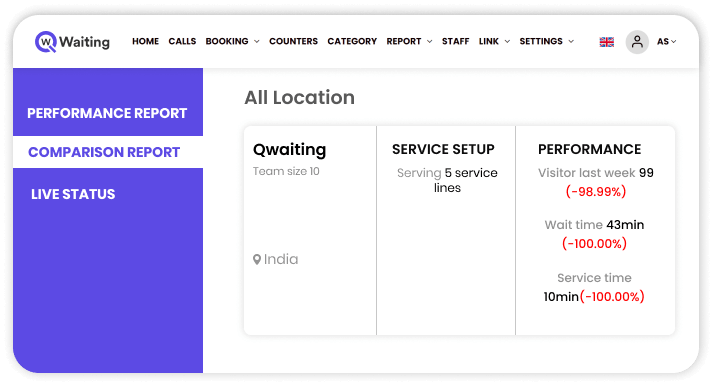
Listening to customers everywhere is also important. This means collecting opinions from people in person, on websites, and through mobile apps. When you put all this information in one place, it becomes much easier to see the big picture. This helps the whole company improve together.
Using Feedback to Design Better Experiences—Not Just Fix Problems
The best companies do not just fix one problem at a time. Instead, they use feedback to rebuild things better. If many people are confused by an appointment system, it is not just a small mistake. It is a sign that the system needs a new design.
Listening to customers helps you remove extra steps that waste their time. When you use their opinions to change how things work, you are letting them help build the future of the company. It is much better to prevent a problem from happening than to keep apologizing for it later.
Leadership Quote:
“We used to think of feedback as a report card. Now we treat it as a live feed. When we see dissatisfaction rising at a location, we don’t wait for monthly reviews; we investigate that day. It’s changed how fast we move and how well we retain customers.”
— Head of Operations, Fairprice, Singapore
Choosing the Right Customer Feedback System for Long-Term Impact
Not all feedback platforms are built for the same outcomes. Here’s what separates tools from systems.
Strategic Questions Leaders Should Ask Before Investing
A good system must work instantly and fit into the tools you already use every day. If it is too slow or complicated, people will stop using it. The right choice helps your business grow, while the wrong one is just a waste of money.
Red Flags That Signal Short-Term Tools
Collecting data is not enough if nobody is responsible for fixing the problems. Without a clear plan, feedback gets ignored. Dashboards must show useful facts, and surveys must be quick to respect a customer’s time. If you do not act, people will simply stop sharing their thoughts.
Trust, Privacy, and Ethical Feedback Collection
Trust grows when you collect less but more meaningful feedback. Over-surveying and ignoring input damages the customer relationship. Respecting their time and consent is essential; how you ask for feedback is just as important as the service itself, shaping their overall perception of your brand.
Exceptional Experiences Are Built by Organizations That Listen Well
Feedback is not about asking more questions. It’s about listening at the right moments, and acting with discipline when those moments reveal something important.
The strongest customer experiences are engineered, not improvised. They’re built by teams that close the loop fast, connect feedback to operations, and treat customer sentiment as intelligence worth acting on immediately. What separates average organizations from exceptional ones isn’t the volume of feedback they collect. It’s what they do with it before the next customer walks through the door. In today’s competitive market, a robust customer feedback system is essential for business success.
So, the real question is: Are you truly listening to your customers, or just collecting their answers? If not, now is the time to collect feedback and build long-lasting relationships with your customers.
Book your free consultation call with Qwaiting experts today and turn your customer opinions into insights.
FAQ’s
1. How does a real-time customer feedback system improve customer experience?
Customer feedback captures issues while emotions are fresh, allowing teams to fix problems immediately, before frustration turns into lost trust, bad reviews, or silent churn.
2. What metrics should leaders track in a customer feedback system?
Every ops leader must focus on wait-time complaints, abandonment signals, repeat-visit trends, recovery response time, and feedback-to-action closure rates, not vanity scores alone.
3. How can businesses identify silent customer dissatisfaction before churn happens?
By spotting behavior changes like early exits, incomplete journeys, fewer visits, or subtle score drops, signals customers show long before they stop buying.
4. What should businesses look for when choosing a customer feedback system?
Real-time insights, clear ownership for action, minimal customer friction, operational context, and easy integration with existing CX and frontline workflows.
5. How does a feedback system integrate with queue management and CX platforms?
It connects customer sentiment to wait times, service stages, and staff actions, turning experience data into immediate operational decisions across the journey.
