
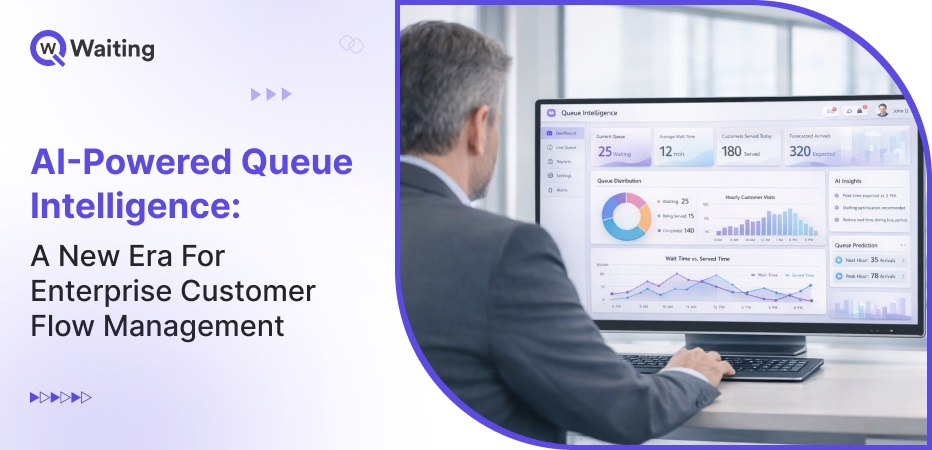
Managing how customers move through a store or office has become a huge deal for big companies. It’s not a new problem, but the results of doing it poorly are much worse than they used to be. In the past, businesses just gave you a ticket with a number and made sure the line kept moving. That worked fine when people were more patient, and things were simpler, but the world has changed.
Today, if a line is too long or confusing, it hurts the business in many ways at once. Customers get frustrated and leave, workers get stressed and quit, and the company loses money without even realizing why. Most people feel that a long wait means the business doesn’t respect their time. Even though this is a major problem, many companies are still using outdated methods that no longer work.
The big change happening right now is the jump to “queue intelligence.” This means using smart technology and AI to do more than just put people in a line. These new systems can actually predict how many people will show up and fix problems before they happen. For big companies, using this smart tech isn’t just a cool idea for the future anymore. They need to start using it right now if they want to keep their customers happy and stay successful.
The Evolution of Queue Management in Enterprise Operations
Queue management has evolved through several stages, shifting from physical lines to basic digital tools like buzzers. However, these traditional models are now failing because they can’t keep up with modern expectations for total flexibility. Today, businesses must move beyond simply “organizing a line” to providing a seamless, virtual experience that respects a customer’s time and freedom.
From Physical Lines to Digital Queues
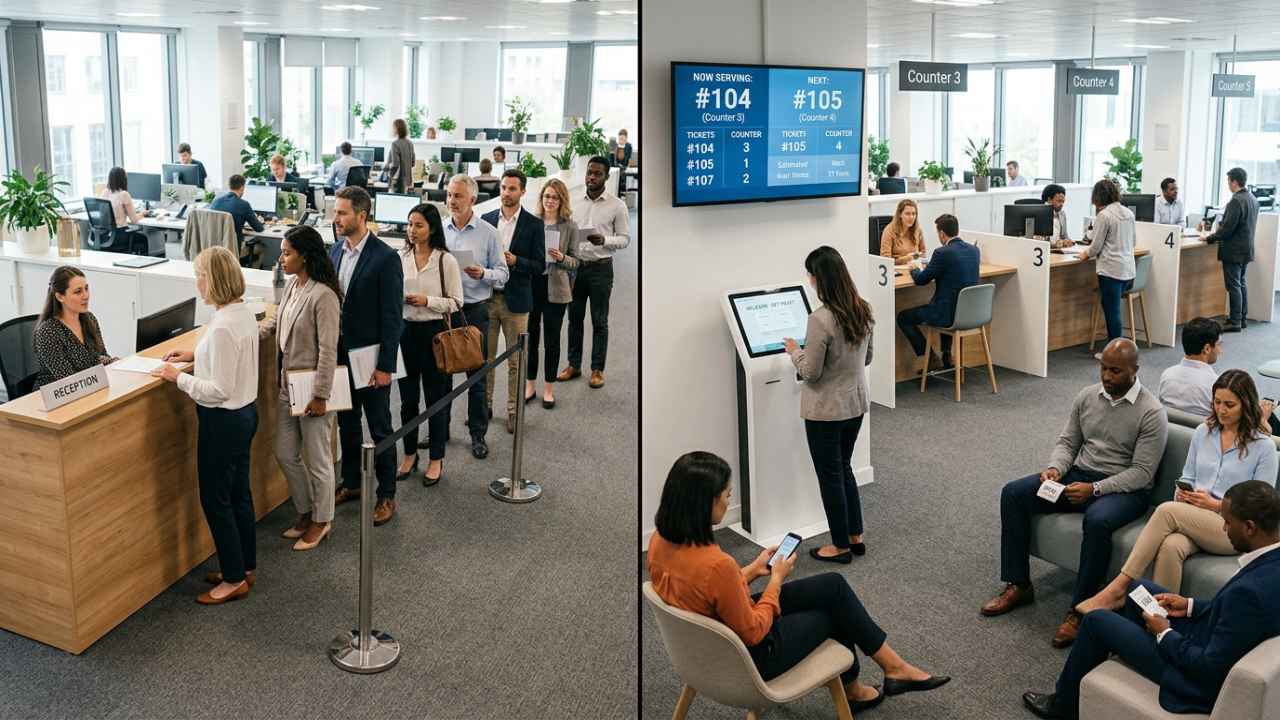
Early queue management focused strictly on physical order and control, using basic tools like standing lines and paper tickets to ensure people were served in the sequence they arrived.
While the first digital systems introduced screens and SMS alerts, they didn’t actually change the underlying logic; they simply moved a rigid process faster. Today, many legacy systems still rely on these static rules and predefined routes, making them unable to adapt to real-time changes on the floor.
The Growing Complexity of Customer Service Environments
Beyond just updating technology, queue management must now handle a much more complex operational environment where in-person, mobile, and scheduled appointments all compete for the same resources.
Modern service centers deal with a diverse range of needs—from simple tasks to specialized advisory sessions—meaning that routing a customer to the wrong staff member leads to wasted time and frustrated escalations. Because customers now compare every service experience to the fastest interactions they’ve had in any industry, outdated systems simply cannot keep up with these rising expectations for speed and expertise.
Why Traditional Queue Systems Are Reaching Their Limits
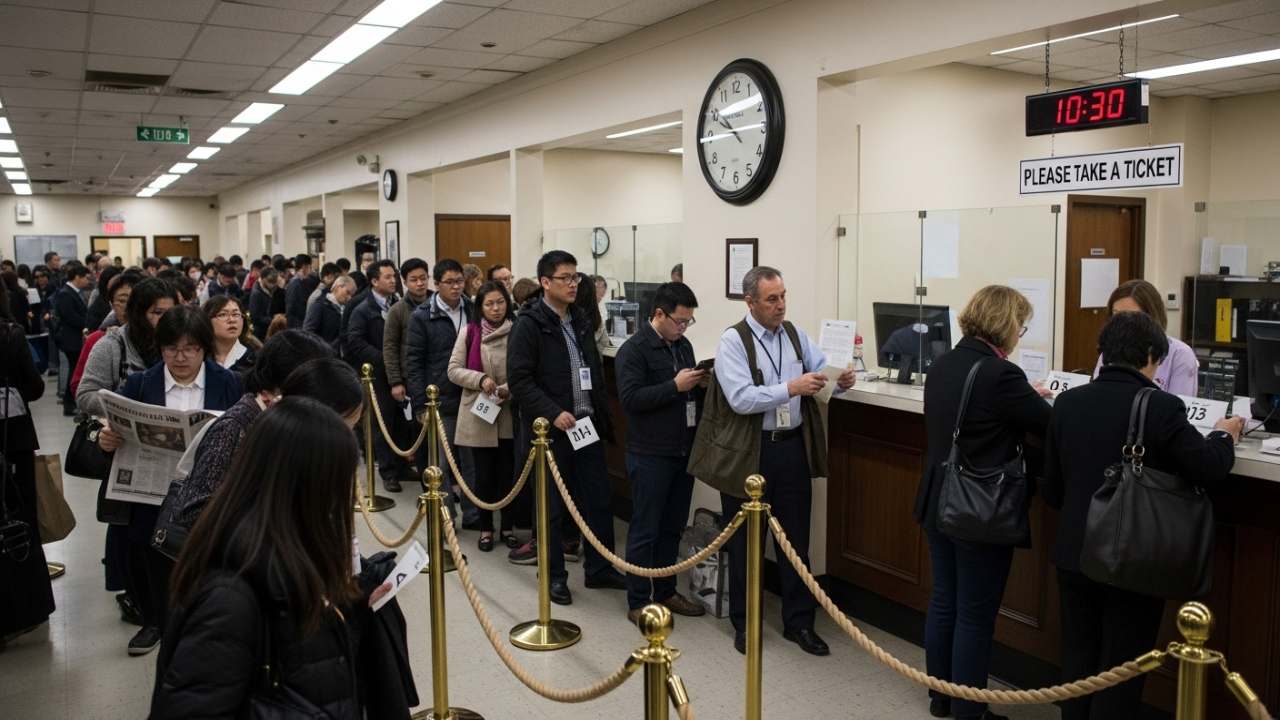
The core flaw of static queue systems is their “blindness,” as they follow rigid rules without any ability to react to real-time changes. Because these models cannot distinguish between a quick task and a lengthy consultation, they sequence all customers the same way, regardless of the actual workload.
This lack of operational insight forces supervisors to react to visible problems rather than predicting and preventing them, making it impossible to adjust staff and resources as demand shifts throughout the day.
Many organizations are now realizing that legacy queue models are no longer sustainable, especially as modern customers expect proactive updates and faster service experiences, which is explained in detail in this analysis on:
Here’s how (in a shell) traditional queue systems lack in 2026 as compared to an AI-powered queue solution:
| Feature | Traditional Queue Systems | AI-Powered Queue Intelligence |
| Service Routing | Fixed rules | Intelligent dynamic routing |
| Wait Time Prediction | Basic estimates | Real-time predictive analysis |
| Staff Allocation | Manual | AI-assisted |
| Customer Experience | Reactive | Proactive |
What AI-Powered Queue Intelligence Really Means for Enterprises
“AI-powered” in queue intelligence signifies a shift from theoretical buzzwords to practical, real-time operational improvements that actually transform the service experience.
Intelligent Service Routing
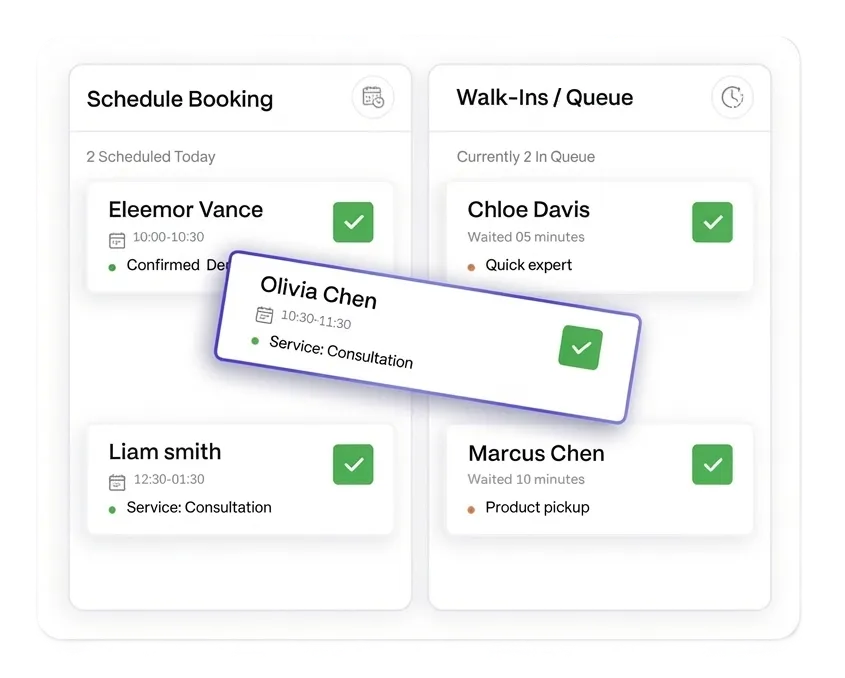
AI-powered queue intelligence replaces simple arrival times with smart routing based on the best fit for each customer. By matching a person’s specific request and history to the right staff member, the system ensures complex issues reach qualified experts without manual help. This allows businesses to automatically prioritize VIPs or urgent cases, turning every interaction into a resolved solution rather than a frustrated escalation.
Predictive Wait Time and Queue Forecasting
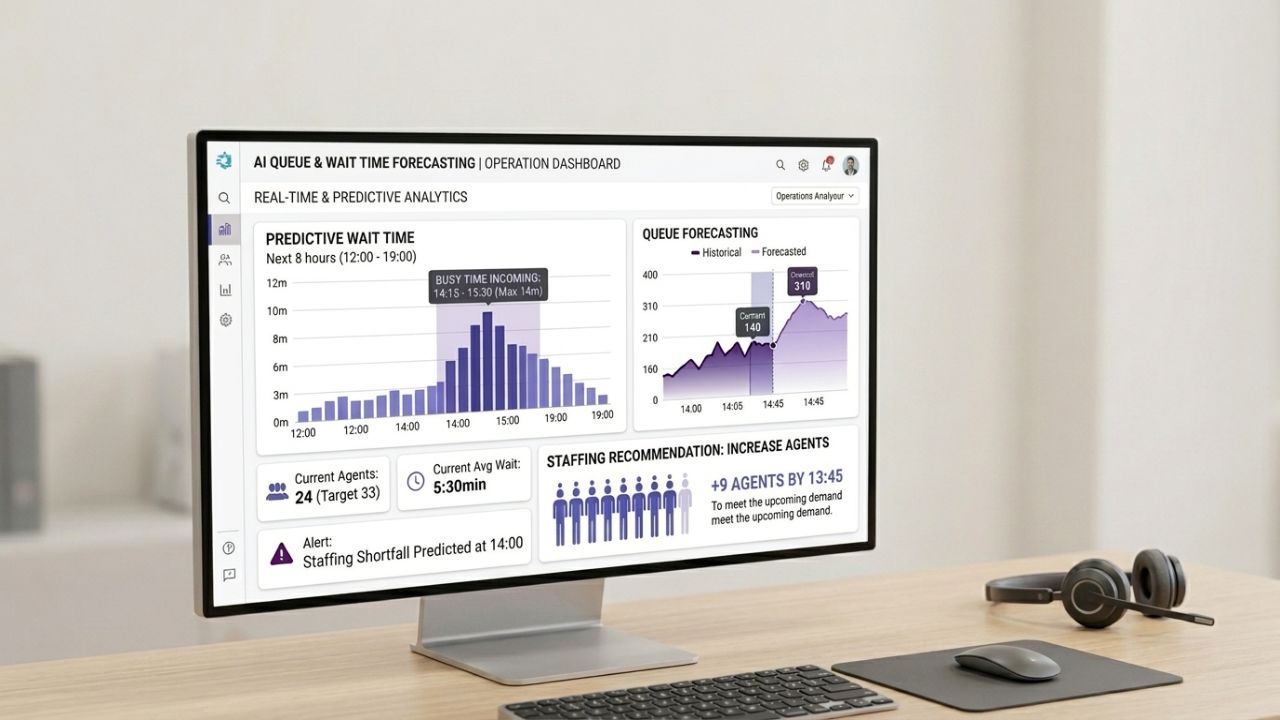
Providing accurate wait times is a major key to customer satisfaction because not knowing how long a wait will be is more frustrating than the delay itself. AI uses past and current data to give real predictions instead of the vague guesses found in older systems. This allows teams to see busy times coming and adjust staffing early, stopping service breakdowns before they even happen.
Real-Time Decision Making for Service Operations
Queue intelligence goes beyond simple reporting by driving real-time decisions that prevent service failures. Through live analytics, supervisors can see the entire operation across all channels and spot problems before they happen. The system then automatically balances the workload by redirecting customers to faster options—like self-service or virtual appointments—without needing a manager to manually step in.
Personalization in Service Delivery
Service personalization is shifting from simple data lookups to proactive AI intelligence that identifies returning customers before they even reach an agent. By using a customer’s history and preferences to guide their routing, the system ensures they never have to repeat themselves and receive a continuous, tailored experience. This allows businesses to build dynamic service journeys based on who the customer is and what they actually need, rather than just their place in a line.
“After implementing intelligent queue routing, we reduced customer wait times by nearly 40% while improving service team productivity by 30%.”
- Operations Manager, Fullerton Hospital, Singapore
The Strategic Business Impact of AI-Powered Queue Intelligence
Queue management has evolved through several stages, shifting from physical lines to basic digital tools like buzzers. However, these traditional models are now failing because they can’t keep up with modern expectations for total flexibility.
Here’s how queuing intelligence impacts business operations:
Operational Efficiency at Scale
Achieving efficiency is less about increasing speed and more about eliminating the friction that naturally impacts thousands of daily interactions. Rather than simply hiring more staff, businesses can rely on a smarter resource allocation.
Using AI-driven queue intelligence, businesses can proactively identify and redistribute demand before service bottlenecks occur. This strategic balance ensures that staff productivity remains high, freeing admins from the distractions of misrouted tasks or uneven workloads.
Customer Experience That Drives Loyalty
While speed is a baseline expectation, true customer loyalty is built on how an experience actually feels. Beyond just reducing the clock, managing the perceived wait time is a powerful tool; providing accurate, real-time updates reduces frustration even if the physical duration remains the same. This level of transparency promotes trust, as customers who feel informed are far less likely to abandon their journey.
In fact, poorly designed queues can silently damage revenue and brand trust, as highlighted in this breakdown of the most common queue management mistakes that drive customers away.
Data-Driven Service Management
Data-driven service management transforms the classic “what gets measured gets managed” philosophy into a live operational reality. By using AI queue intelligence, leaders move from passive observation to active decision-making through real-time dashboards that track wait times, throughput, and abandonment as they happen.
This provides strategic visibility, allowing leadership to see the direct link between customer flow and revenue in near real-time. Instead of waiting for post-incident reviews, the system systematically identifies bottlenecks and staffing gaps, turning process improvement into a proactive, data-backed habit rather than a reactive fix.
Businesses looking to strengthen their service operations can also explore how cloud-based queue platforms enable centralized visibility, real-time analytics, and smarter decision-making across multiple locations in this detailed guide on cloud queue management for businesses.
Revenue and Cost Impact
The financial case for queue intelligence is straightforward when the right metrics are tracked. By increasing throughput, organizations can process more transactions in the same timeframe, directly boosting revenue. This is paired with a reduction in abandonment rates, ensuring that potential customers aren’t lost to long waits.
Finally, a smarter workforce utilization cuts costs by eliminating unnecessary overtime and overstaffing, ensuring expensive specialist staff are always deployed where they generate the highest return.
Here’s what businesses noticed before and after implementing a smart queue solution into their business:
| Business Metric | Before AI Queue Intelligence | After Implementation |
| Average Wait Time | High, unpredictable | Reduced, consistent |
| Customer Satisfaction | Variable | Measurably improved |
| Service Efficiency | Reactive, manually managed | Proactive, data-driven |
| Staff Utilisation | Uneven, often inefficient | Optimised across shifts |
Where AI Queue Intelligence Is Transforming Industries
Service challenges vary across different industries, but the solution is always the same: queue intelligence. This approach helps improve customer flow and reduce risks in every sector, providing clear and measurable benefits.
Banking and Financial Services
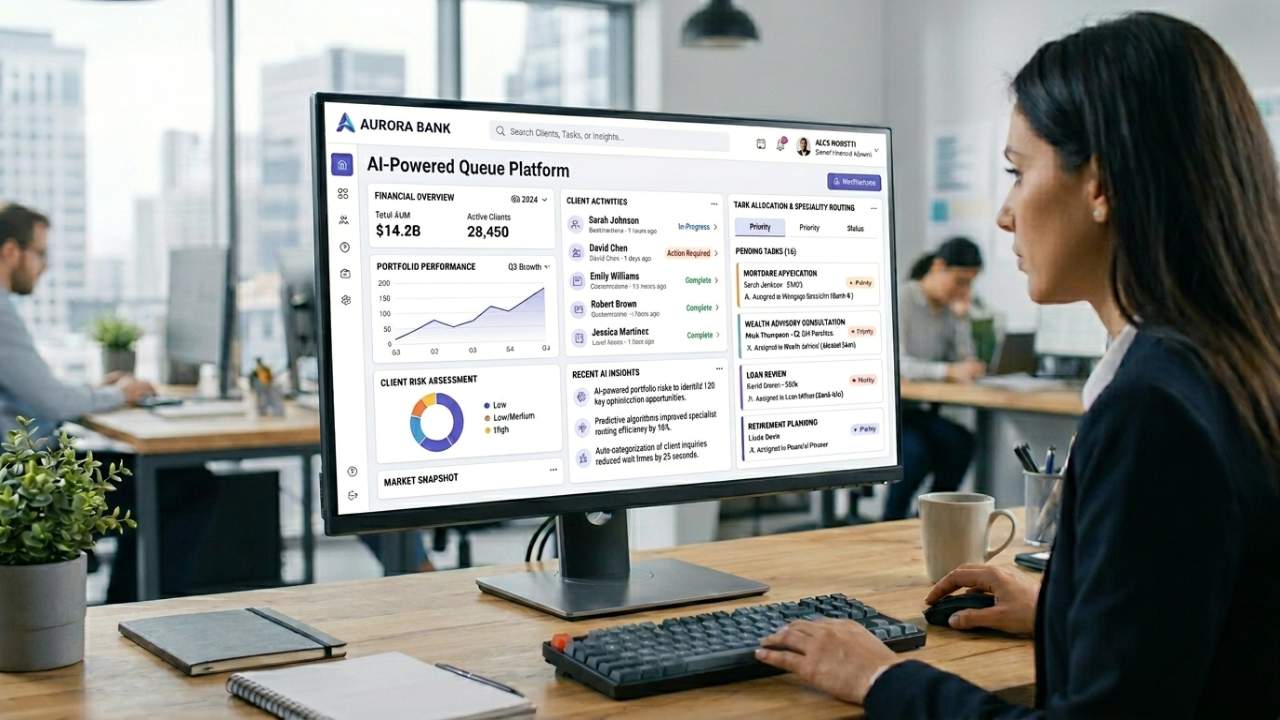
Modern branch banking requires intelligent routing. Using AI intelligence, branches can instantly direct complex customer tasks like mortgages or wealth advisory to the right specialists, eliminating the inefficiency of misdirected requests. This data-driven approach balances workloads across the floor, ensuring no single service point becomes a bottleneck while others sit idle.
Branches can offer personalized priority service for high-value clients through background routing. This way, they can provide a premium experience without disrupting service for other customers.
To understand how financial institutions are modernizing branch operations and reducing service delays, explore this guide on:
Healthcare and Hospitals
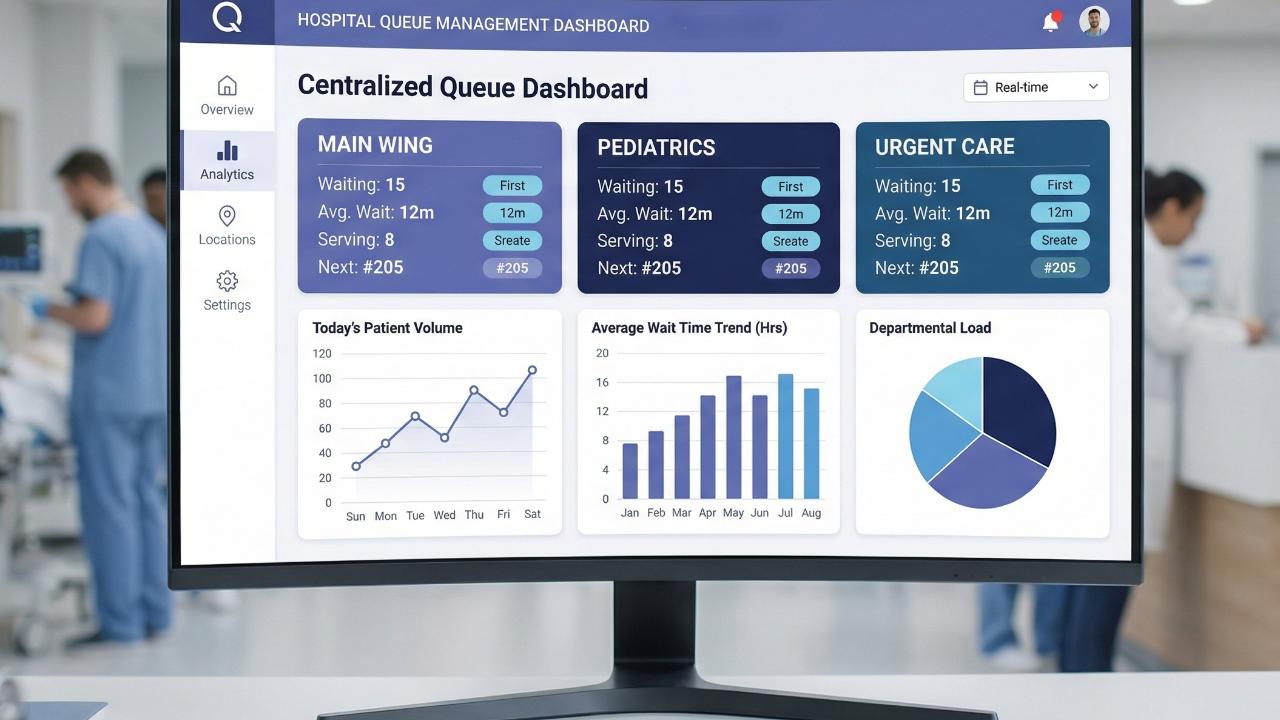
In healthcare, managing patient queues is crucial for reducing risks to patients. To ensure a smooth flow of patients through triage, consultation, and discharge, it is important to prioritize urgent medical needs rather than just the order of arrival.
By managing high-pressure situations effectively, hospitals can lower the risks of infections and make sure patients do not worsen while also helping staff avoid burnout during busy times. Ultimately, using AI to sort urgent cases based on real-time triage information improves patient care, ensuring that those who need help the most receive it quickly.
Healthcare providers looking to reduce overcrowding and improve patient flow can learn more about practical strategies in this article on:
Retail and Service Centers
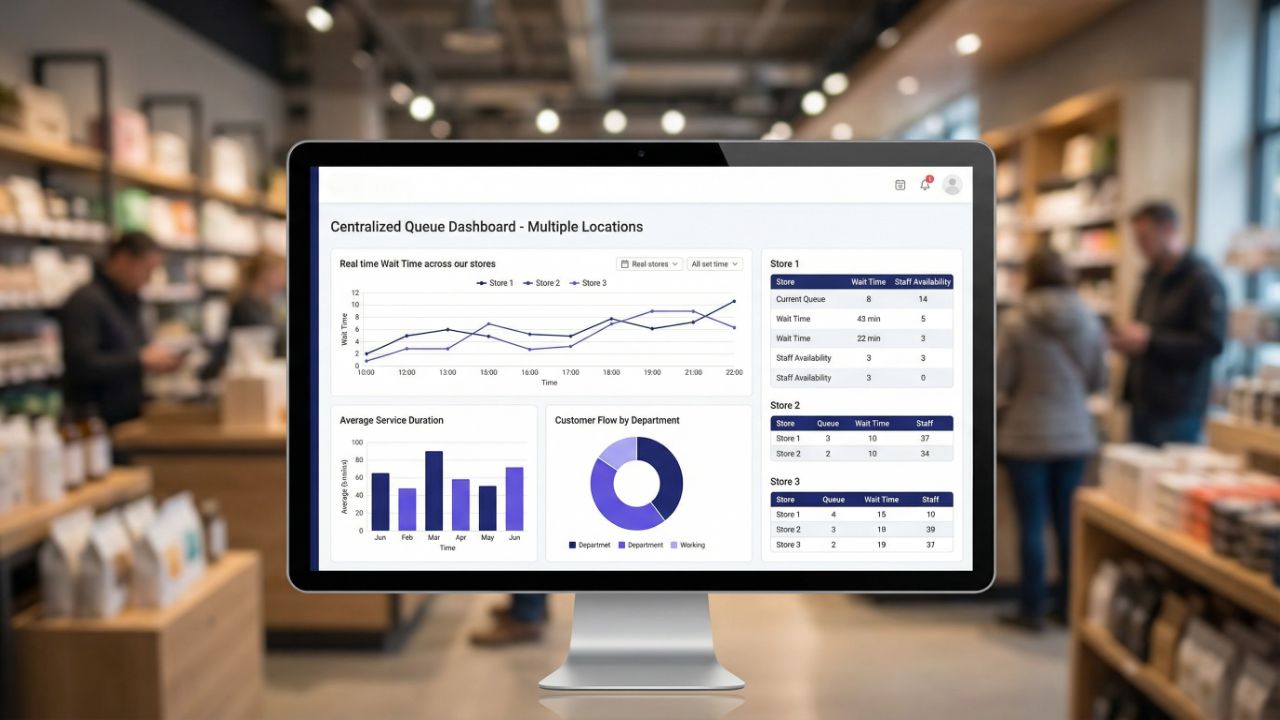
In retail, managing customer flow is a visible and unpredictable challenge. Shoppers often make quick decisions based on wait times at the entrance. To handle sudden increases in customers during events like product launches or sales, stores need systems that can adapt quickly instead of relying on past staffing data. Checkout delays can cause lost sales due to abandoned purchases, so it’s important to fix these issues to improve conversion rates.
By applying smart flow management to service desks and returns counters, stores can offer a smooth experience that protects their brand and boosts profits.
Retailers exploring ways to reduce long checkout lines and improve store efficiency can also read this guide on:
Retail Queue Management: Converting Wait Time into Sales Opportunities
Government and Public Services
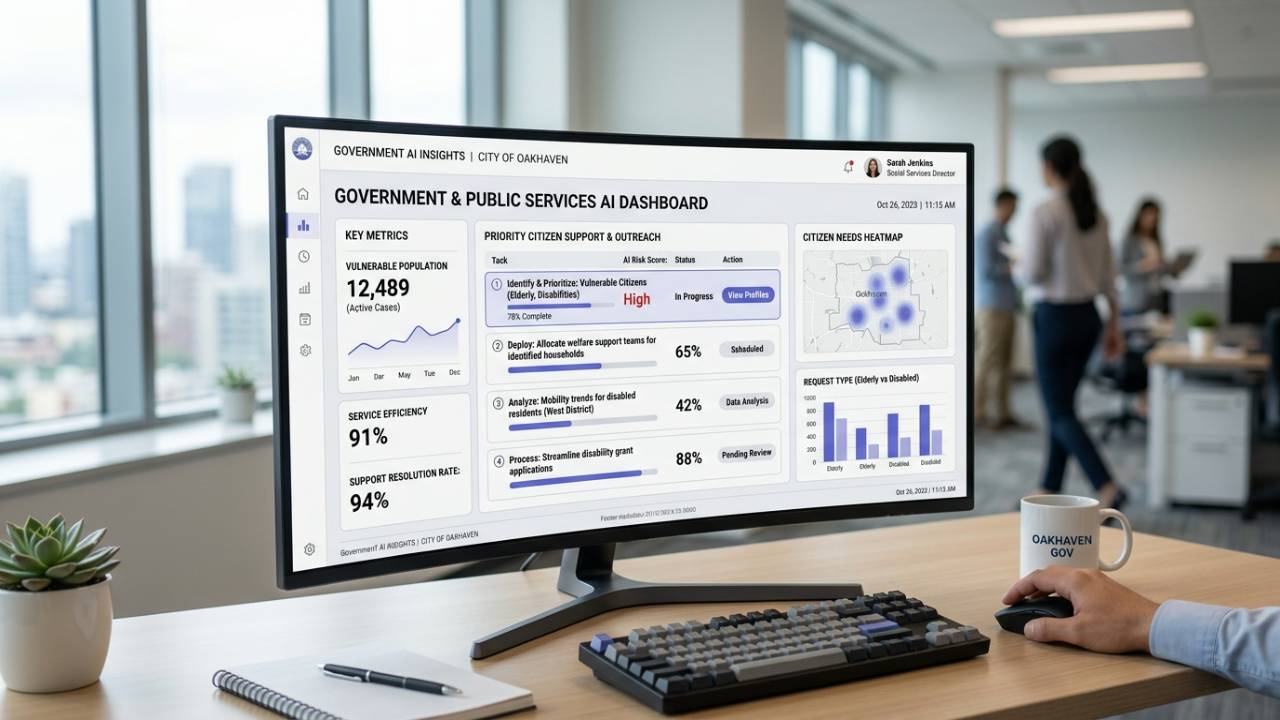
Government and public services must manage a lot of citizen needs while being accountable to the public. To handle this without constant manual work, agencies need automated systems. These systems can stop backlogs from affecting nearby departments.
Using intelligent flow management helps public offices provide fair access to services. They can automatically identify and prioritize citizens who need extra support, like the elderly or people with disabilities. This approach takes the identification burden off frontline staff.
Here’s what challenges different industries faced and how AI-enabled smart intelligence helped:
| Industry | Key Challenge | AI Queue Intelligence Benefit |
| Banking | Service complexity | Intelligent routing |
| Healthcare | Patient flow | Priority management |
| Retail | Peak traffic | Queue optimization |
| Government | High service demand | Efficient citizen service |
Conclusion: From Managing Queues to Orchestrating Customer Journeys
Traditional queue management was once about simple control and moving lines in order. This old way worked when things were predictable, but today’s world is much more complex and fast-moving. Now, AI-powered systems go beyond just speed; they use “orchestration” to predict demand and treat customers like individuals rather than just numbers.
Modern businesses are switching to this new model to avoid the high costs of slow, reactive systems, which lead to unhappy customers, lost sales, and stressed staff. Continuing to use outdated methods creates a huge gap between what people expect and what a business actually provides. The real choice for any organization today is whether they want to keep just managing lines or start creating smart, seamless journeys for their customers.
If you also want to transform your routine operations, wait no more! Book your free consultation with Qwaiting experts today and feel the change.
FAQ’s