
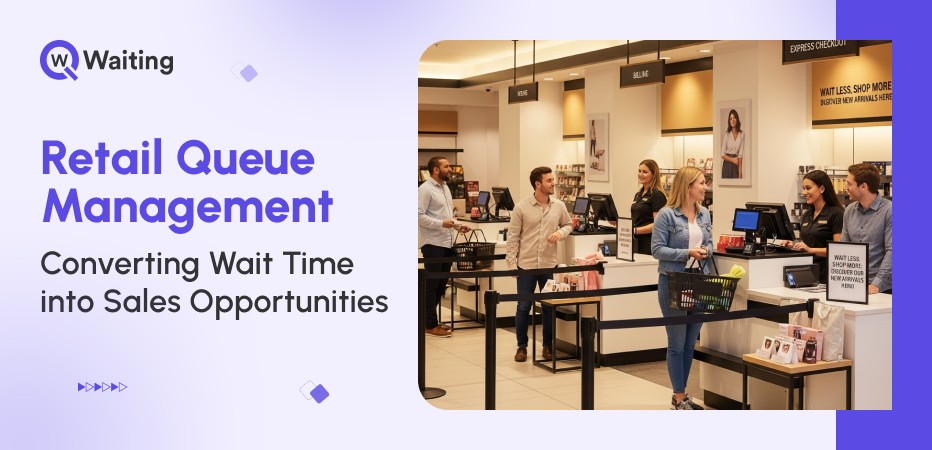
Long lines in stores are bad for business. When customers have to wait a long time, they get angry and often leave their shopping items behind and walk out of the store. This means the store loses money because it misses out on sales. However, smart stores are figuring out a new way to look at waiting. They are learning that the time customers spend waiting can actually be a good chance to sell them more things. They are cleverly using this waiting time.
Before, stores mostly tried to move people out of the lines as quickly as possible. Now, the new idea is to make the wait more interesting for the customers. New systems for lines create small moments where the store can try to sell more things. They show special deals or promote products just for the people waiting in line. This actually makes customers buy more items. The stores that make the most money during busy times are not just getting people through the lines fast. They are turning every minute a person waits into more money for the store.
Your system for managing lines is no longer just about making things run smoothly. It is about whether you are missing opportunities to make money when you’re at your busiest. The important thing is how you set up, run, and make money from those key moments right before people pay.
The Real Cost of Waiting in Retail Today
When a customer waits in a poorly managed line, the store is taking a significant risk. The store is hoping the customer will stay in line long enough to buy their things. But this hope fails a lot. Most store managers do not realize how often customers actually give up and leave.
Here’s how long lines affect business revenue:
Why Lines Still Make or Break Sales in 2025
Modern shoppers don’t just tolerate delays differently than they did five years ago. They tolerate them less. A customer who’s been waiting for three minutes perceives it as seven. That gap between actual wait time and felt wait time? That’s where sales die.
When checkout lines stretch past the impulse-buy section, you’re not just slowing down transactions. You’re actively blocking access to high-margin products, creating visual chaos that overwhelms decision-making, and giving customers time to reconsider purchases they were already committed to. Cart abandonment doesn’t only happen online; walkaways cost brick-and-mortar stores millions annually.
Wait Time vs Customer Behavior Impact:
|
Wait Time |
Customer Drop-Off Rate |
Likelihood of Negative Review |
|
Under 3 min |
8% |
5% |
|
3-5 min |
23% | 18% |
| 5-10 min | 47% |
42% |
| Over 10 min | 68% |
71% |
What Holiday Deals Reveal About Customer Patience
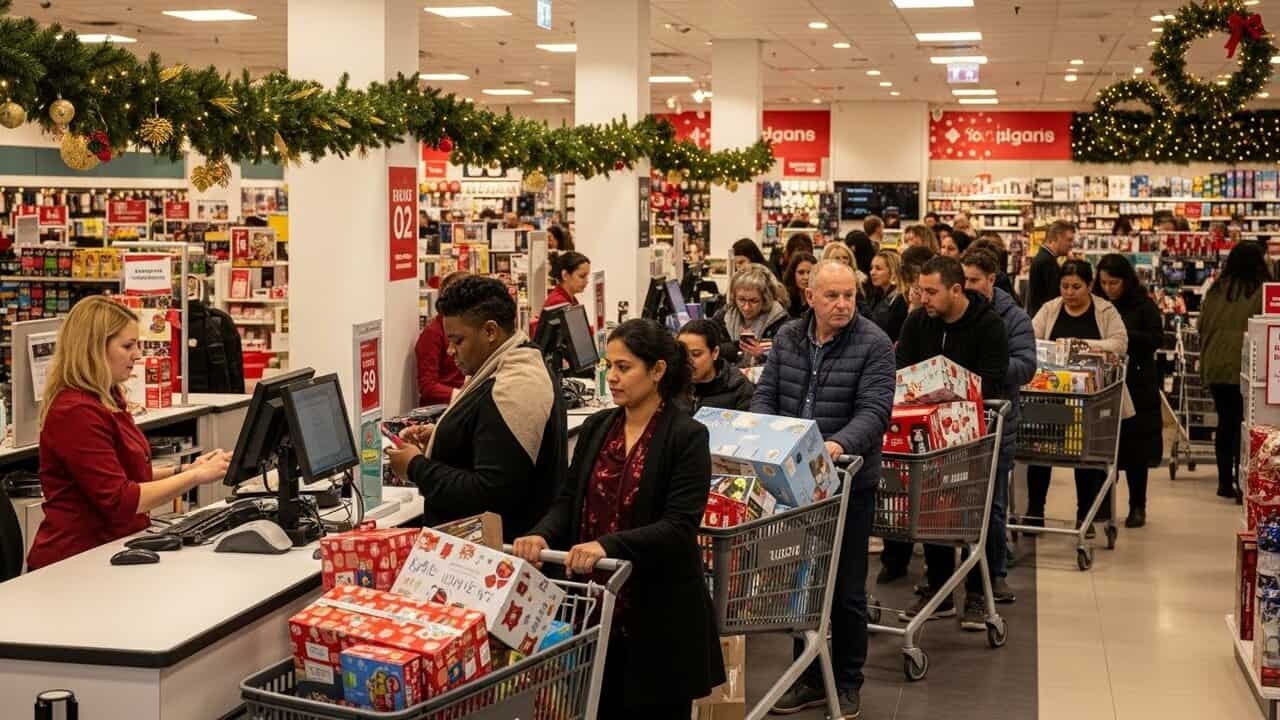
Christmas and New Year sales aren’t anomalies; they’re a stress test that exposes every weakness in your retail crowd control strategy. Surges don’t just create longer lines. They create anxiety, confusion about where to stand, and a breakdown in perceived fairness when someone appears to cut ahead.
Traditional queue methods collapse under volume because they were designed for average traffic, not peak chaos. Static rope lines, single-file formations, and manual staff direction can’t adapt fast enough when 300 people enter your store in 20 minutes. You lose more than throughput during these moments, you lose the critical window for upselling add-ons, extended warranties, or membership programs because your staff is too busy managing bodies instead of closing sales.
The Human Side of Waiting (Behavior + Emotions)
Customer satisfaction during waits isn’t determined by the clock alone. It’s shaped by expectation setting and transparency. When someone knows they’ll wait 7 minutes and you deliver in 6, you’ve created a positive experience. When they expect 3 minutes and wait 5, you’ve just damaged their perception of your brand, even though the actual difference was only 2 minutes.
Clear communication cuts frustration in half. Digital displays showing queue position, estimated wait times, and what’s causing delays transform passive waiting into informed patience. Customers who understand why they’re waiting don’t just tolerate it better; they spend more once they reach the counter because the experience felt fair and controlled.
Transforming Queues Into Revenue-Making Moments
Most retailers see the checkout line as the finish line. High-performing retailers see it as the final selling zone.
The Psychology of Impulse Buying in a Well-Managed Queue
There’s a specific emotional state customers enter during micro-wait periods; they’re committed to purchase, mildly bored, and mentally scanning for small wins. That’s your window. A well-designed queue zone doesn’t feel like detention. It feels like discovery.
Structured waiting increases basket size because it gives customers just enough time to notice products without feeling overwhelmed by choice. The snack section near the register isn’t random, it’s behavioral design. Smart retail queue management amplifies this by controlling pace, creating predictable movement patterns, and ensuring customers pass high-margin items at eye level when their attention is naturally wandering.
Smart Queues + Targeted Promotions = More Revenue
Here’s where in-store queue management becomes a revenue channel, not just an operations tool. When customers join your queue digitally, you have their attention, their location, and their purchase intent. That’s targeting gold.
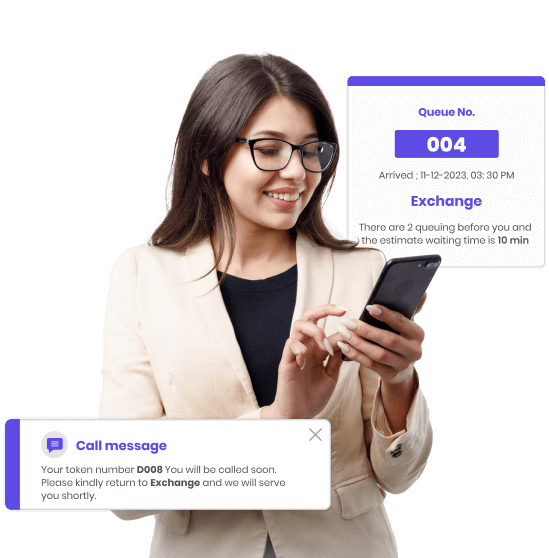
Send them a personalized SMS while they browse: “Add a matching accessory in the next 5 minutes and get 15% off.” Use digital signage above the queue to display cross-sell recommendations based on popular pairings. Trigger time-sensitive offers tied to their wait duration, the longer they wait, the sweeter the deal becomes. (And yes, this is more common than you’d think among retailers who’ve integrated queue intelligence into their promotional strategy.)
Real Example: A mid-sized electronics retailer implemented queue-triggered offers during their holiday season. By sending targeted WhatsApp promos to customers in line for over 4 minutes, they increased add-on sales by 27% and lifted average transaction value by 18%. The cost to deploy? Minimal. The ROI? Immediate.
Creating New Micro-Touchpoints Customers Actually Enjoy
Wait time can be dead time, or it can be brand time. Interactive kiosks let customers explore product specs, watch demos, or sign up for loyalty programs while they wait. Educational content, how to set up that new device, and styling tips for that jacket turn passive moments into value-added experiences.
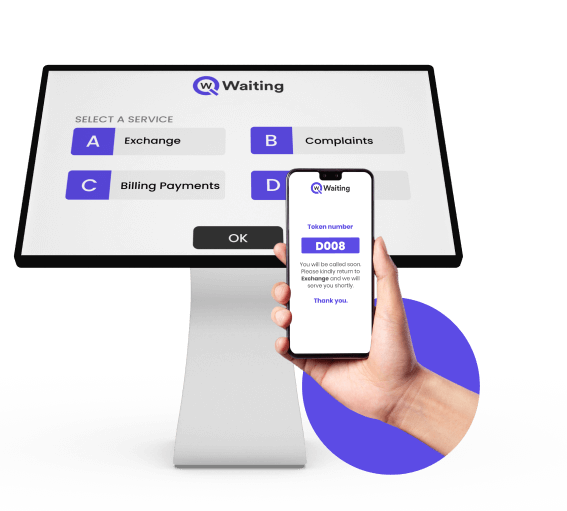
What’s interesting is that customers don’t just tolerate this kind of engagement. They appreciate it because it reframes waiting as productive. You’re not asking them to endure the queue, you’re inviting them into a guided brand experience that happens to culminate in checkout.
Preparing Your Retail Floor for the Holiday Season Rush
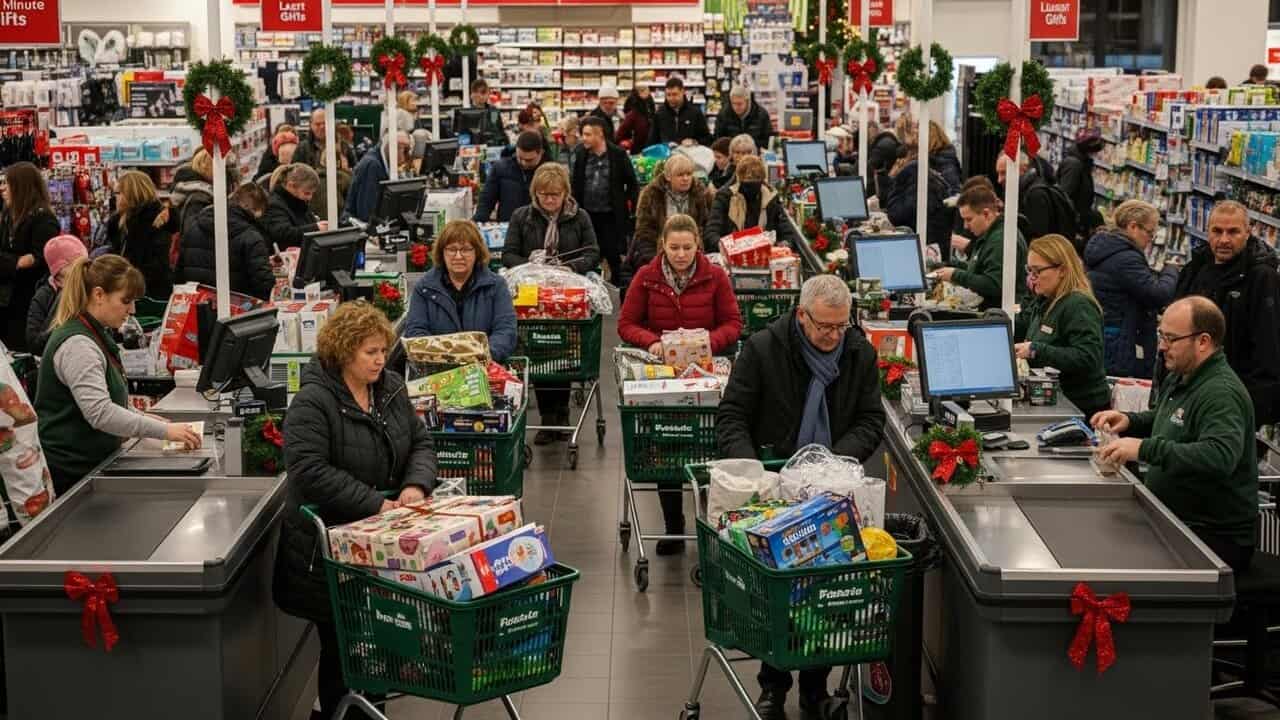
The holiday season doesn’t forgive sloppy planning. You either orchestrate the chaos, or it orchestrates you.
Traffic Flow Mistakes Retailers Commonly Ignore
Walk your store like a first-time customer would during a rush. You’ll probably spot at least 3 flow killers immediately: entry and exit paths that cross and create collision points, signage that’s either invisible or contradictory, and static lines that snake through your highest-value merchandise aisles, effectively blocking them from browsers.
The biggest mistake? No digital fallback when physical space maxes out. When your floor is packed wall-to-wall, customers need an alternative to standing in a line they can’t even see the end of. Without a virtual queue system for retail, you’re forcing them to choose between chaos and leaving, and leaving often wins.
Designing the Ideal Queue Experience for Peak Days
Effective retail footfall management starts with zoning. Separate browse zones from queue zones from checkout zones. Use clear visual markers, floor decals, hanging signs, and barriers so customers instantly understand where to go. Set up both physical lines for quick purchases and virtual queues for services, pickups, or high-consideration items.
Display screens aren’t optional during peak days, they’re essential infrastructure. Show current wait times, queue positions, and what’s being serviced at each counter. This transparency alone reduces perceived wait time by up to 30% because customers feel informed and in control.
Traditional vs. Smart Queue Setup for Christmas and New Year sales:
| Traditional Setup | Smart Queue Setup |
| Single-line formation | Multi-channel routing |
| Manual staff direction | Automated digital guidance |
| No wait-time visibility | Real-time display updates |
| Fixed counter allocation | Dynamic load balancing |
| Static promotional signage | Targeted digital messaging |
Staff Optimization Through Queue Intelligence
Right-sizing your team for Christmas usually means overstaffing, because no one wants to get caught short. But here’s what this actually means: you’re paying for idle labor during lulls and still getting overwhelmed during surges. Smart retail queue management systems provide real-time queue metrics, so you know exactly when to pull staff from back-of-house operations to the frontline.
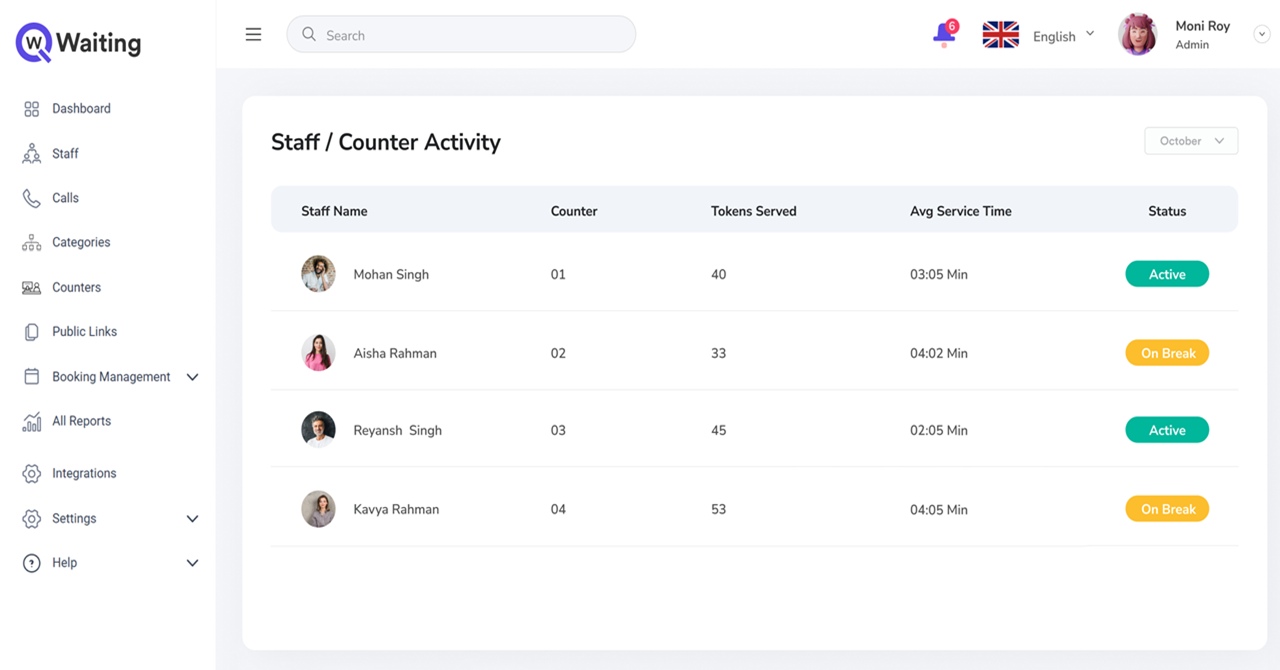
Preventing burnout isn’t just humane, it’s operational. Staff working 10 hours during the holiday season lose productivity, make errors, and deliver worse customer experiences. Automated queue updates free them from constant status checks and crowd control, letting them focus on what actually drives revenue: helping customers complete purchases confidently.
Omnichannel Queue Experience That Modern Shoppers Expect
Your customer doesn’t think in channels. They think in tasks: “I need to pick up my online order, grab a few more items, and check out.” If your queue system forces them to stand in three different lines, you’ve failed the experience test.
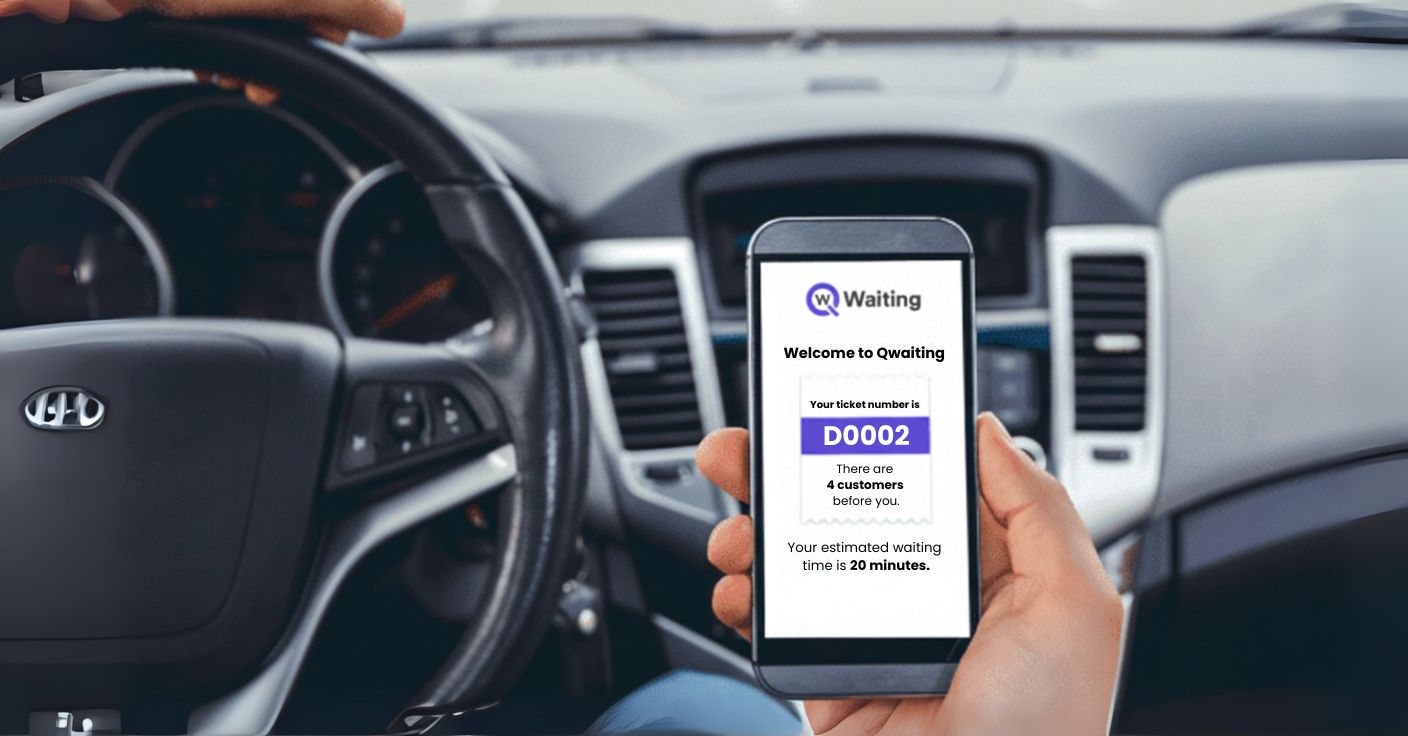
Link online reservations directly to in-store pickup queues. Let customers join a virtual line from your app while they’re still driving to the store. Route them automatically to the right counter based on their service type, pickup, returns, new purchase, or consultation. This seamless flow between digital touchpoints and physical stores isn’t futuristic, it’s table stakes for retail operations management in 2025.
Also Read: Black Friday Sale Queue Management Guide
How Qwaiting Helps Retailers Convert More (Without Adding Extra Staff)
Throwing more bodies at a broken system doesn’t fix the system. It just makes the chaos more expensive.
Real-Time Analytics and Predictive Insights
Most retailers fly blind until the problem’s already happening. By the time you notice a line wrapping around the store, you’re already 15 minutes behind. Qwaiting gives you visibility into peak hours before they arrive, high-traffic zones that need attention, and wait, drivers you didn’t know existed, like a specific checkout counter that’s 40% slower than the others.
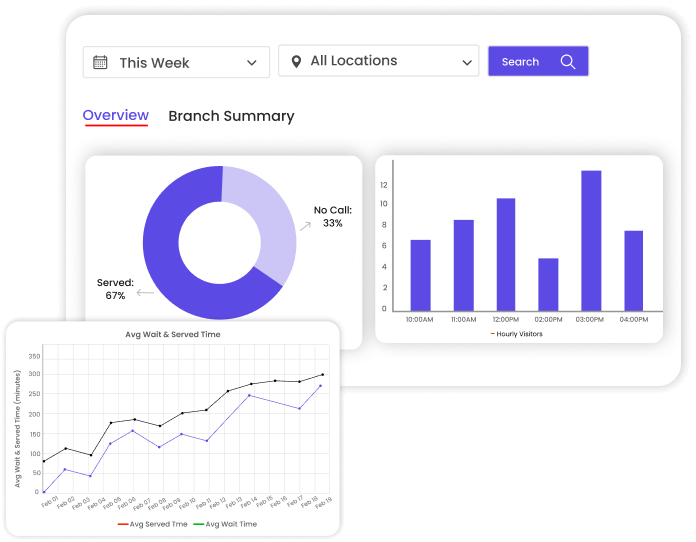
Predictive insights let you redesign merchandising strategies based on actual customer movement patterns. If your queue data shows most people wait near a specific display for 4-6 minutes, that’s not a coincidence, that’s your next premium product placement zone.
Smart Queue Routing That Reduces Stress and Speeds Up Service
Automated routing doesn’t just speed up throughput. It improves fairness. Customers get sent to the next available counter based on actual service capacity, not whoever yells loudest or looks most impatient. Load-balanced queues across departments mean jewelry customers aren’t stuck waiting while electronics have idle staff.
This transparency reduces confrontation, improves staff morale (they’re not managing angry customers anymore), and cuts average service time by 20-30% because you’re matching customer needs to staff expertise automatically.
Built-In Upsell, Cross-Sell & Engagement Opportunities
The platform doesn’t just move people, it engages them. Send targeted alerts based on customer profile or purchase intent. Display on-screen prompts for limited-time offers tailored to their department. Trigger add-on suggestions at the exact moment attention is highest: when they’ve joined the queue and committed to buying.
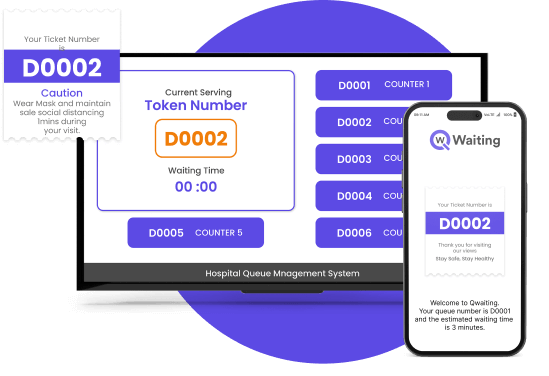
This isn’t spray-and-pray marketing. It’s data-driven messaging delivered when customers are most receptive. You’re not interrupting their experience, you’re enhancing it with relevant value at the right psychological moment.
Enterprise-Level Stability for High-Volume Retail Days
The holiday season traffic can crash systems that weren’t built for scale. Qwaiting’s enterprise-level infrastructure handles extreme volume surges without degrading performance, whether that’s 500 customers or 18,000. Consistent performance across multiple branches means your flagship store and your suburban location deliver the same seamless experience.
If you also want to explore how you can turn your busy Christmas into more revenue, you must read our blog:
How to Turn Christmas Rush Into a Business Opportunity with a Queue System
Final Strategies for Retail Leaders Aiming to Win this Holiday season
Preparation separates survivors from winners. And winners prepare differently.
The Mindset Shift: From Managing Lines to Monetizing Them
Stop thinking of wait time as an operational burden you need to minimize at all costs. Start thinking of it as a customer experience moment you can design, control, and leverage for revenue. Every minute someone spends in your queue is an opportunity to inform, engage, upsell, or strengthen brand connection.
Reframe queues as the final touchpoint before purchase, a zone where customers are captive but not coerced, attentive but not overwhelmed, and primed to say yes to the right offer. That’s not exploitation. That’s smart retail design.
Retail Readiness Checklist (Pre–Christmas)
Your 7-Point Queue Preparation Plan:
- Queue Setup: Physical zones marked clearly, virtual queue activated and tested
- Staff Alignment: Team trained on queue protocols, backup staff identified for surges
- Offer Planning: Time-sensitive promos ready to deploy based on wait duration
- Signage & Digital Displays: All screens showing real-time data, clear directional signage installed
- Virtual Queue Activation: Mobile check-in enabled, app tested across devices
- Analytics Monitoring: Dashboard configured to track key metrics live during peak hours
- Promotional Timing: Automated triggers set for queue-based offers, staff briefed on upsell targets
Conclusion: The Future of Queueing in Retail
The next wave of retail queue management isn’t about making lines shorter. It’s about making them smarter. We’re moving toward dynamic, AI-driven routing that predicts customer behavior before it happens, predictive merchandising that adjusts product placement based on live queue data, and hyper-personalized wait-time experiences where no two customers see the same journey.
This isn’t science fiction, it’s already happening in early-adopter stores that treat queue intelligence as a competitive advantage rather than a cost center. The retailers winning this holiday season won’t be the ones with the most staff or the biggest budgets. They’ll be the ones who turned chaos into choreography and wait time into revenue time.
Closing Question
If your queue system collapsed tomorrow during peak hours, would you lose customers or just inconvenience them?
The answer reveals whether you’re managing lines or monetizing them. And that difference determines whether Christmas is your biggest revenue day or your biggest refund day.
Ready to transform your retail queue system from bottleneck to revenue driver? See how Qwaiting helps enterprise retailers handle peak traffic without adding headcount, explore the platform, take a 14-day trial or calculate your potential ROI in under 2 minutes.