
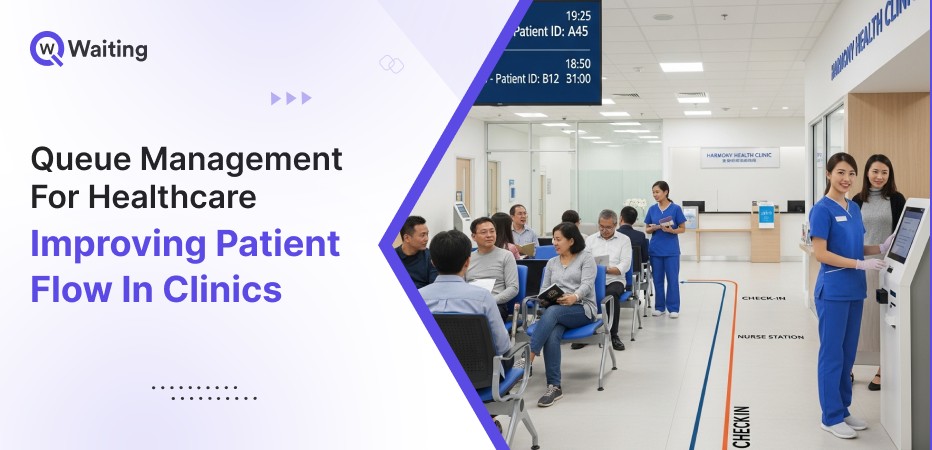
Walk into any busy clinic on a Monday morning, and you’ll see the same scene playing out: crowded waiting rooms, staff juggling paper forms, patients checking their watches, and frustration building on both sides of the front desk. It’s not a staffing problem or a space problem, it’s a flow problem.
Patient flow determines whether your clinic runs like a well-oiled machine or constantly plays catch-up. In an era where HIPAA compliance isn’t negotiable and patient satisfaction metrics directly impact your reputation, the way you manage queues has become a critical operational lever. The question isn’t whether you need better systems, it’s how quickly you can implement them before inefficiency starts costing you patients, revenue, and staff morale.
Modern healthcare queue management systems aren’t just digital waiting lists. They’re strategic tools that optimize every touchpoint in the patient journey, from check-in to consultation, while keeping compliance and experience at the center of operations.
Why Patient Flow is Still a Challenge in Modern Clinics
Despite advances in medical technology, most clinics still operate with workflows designed decades ago. The result? Bottlenecks that frustrate patients, overwhelm staff, and leave money on the table, even when appointment books are full.
The Operational Gaps That Slow Clinics Down
Clinics often struggle with walk-ins showing up unannounced, manual triage decisions creating inconsistent wait times, and paper-based systems that fragment patient data across multiple touchpoints. These aren’t small inefficiencies, they compound throughout the day. A five-minute delay at check-in becomes a thirty-minute backup by noon, and staff spend more time managing chaos than delivering care.

How Patient Expectations Have Shifted in the Last 5 Years
Patients today expect the same convenience they get everywhere else. They want real-time updates, digital check-ins, and transparency about wait times, not sitting in a crowded room wondering when their name will be called. The contrast between traditional and modern patient journeys isn’t subtle anymore; it’s a competitive differentiator.
Here’s how modern digital experience stands out from traditional patient journey experience:
| Traditional Journey | Modern Digital Experience |
| Arrive early, fill paper forms | Pre-check-in via mobile or kiosk |
| Wait in a crowded room with no visibility | Signage screens with live status updates |
| Name called verbally (privacy risk) | SMS/app notification to enter |
| Uncertain wait times | Transparent, real-time estimates |
| Manual triage, inconsistent flow | Automated routing based on priority |
Why Leaders Can’t Ignore Patient Flow Anymore
Patient satisfaction scores now influence everything from online reviews to reimbursement rates. Poor flow management directly impacts your bottom line through missed appointments, negative feedback, and patients choosing competitors who respect their time. In dense healthcare markets, clinics that solve the wait time problem win loyalty faster than those with slightly better medical equipment.
Cost of Inefficiency, The Silent Revenue Drain
Every no-show represents lost revenue you’ve already budgeted for. Longer queues drive up operational costs as staff work overtime managing backlog instead of optimizing throughput. Staff burnout from constant firefighting reduces productivity and increases turnover, creating a vicious cycle. When you map inefficient flow against actual dollars lost in wasted staff hours, patient churn, and missed revenue opportunities, the numbers become impossible to ignore.
The Role of Queue Management Systems in Healthcare Today
Queue management systems have evolved from simple ticket dispensers to intelligent platforms that orchestrate the entire patient journey. They don’t just manage lines, they eliminate unnecessary waiting altogether.
Streamlining Front Desk Operations with Smart Queues
Digital check-in flows reduce the administrative burden on front desk staff by capturing patient information before they even arrive. Virtual queuing allows walk-ins and follow-up patients to join the queue remotely, reducing on-site congestion. Mobile alerts notify patients when it’s their turn, so waiting rooms stay emptier, safer, and more comfortable for those who need immediate attention.
Transforming Triage Into a Predictable, Data-Driven Process
Automated patient routing based on symptoms or appointment type ensures the right patient reaches the right provider without manual coordination. Priority-based triage handles urgent cases immediately while keeping routine appointments flowing smoothly. This removes decision fatigue from clinical teams, allowing them to focus on care rather than constantly reassessing queue priorities.
“We went from managing chaos to managing data. Our front desk team now handles 40% more check-ins without adding headcount, and staff satisfaction scores jumped because they’re not drowning in paperwork anymore.”
– Operations Director, Multi-Specialty Clinic Network
Reducing Staff Burden With Better Workload Distribution
Repetitive administrative tasks, verifying insurance, updating records, and calling out names consume hours that could be spent on patient interaction. Real-time queue visibility gives staff a shared dashboard where everyone sees the current flow, upcoming appointments, and potential bottlenecks. Collaboration becomes smoother because information isn’t trapped in one person’s head or a paper log.
Here’s how Qwaiting helped RAM Clinics to help transform their operations:
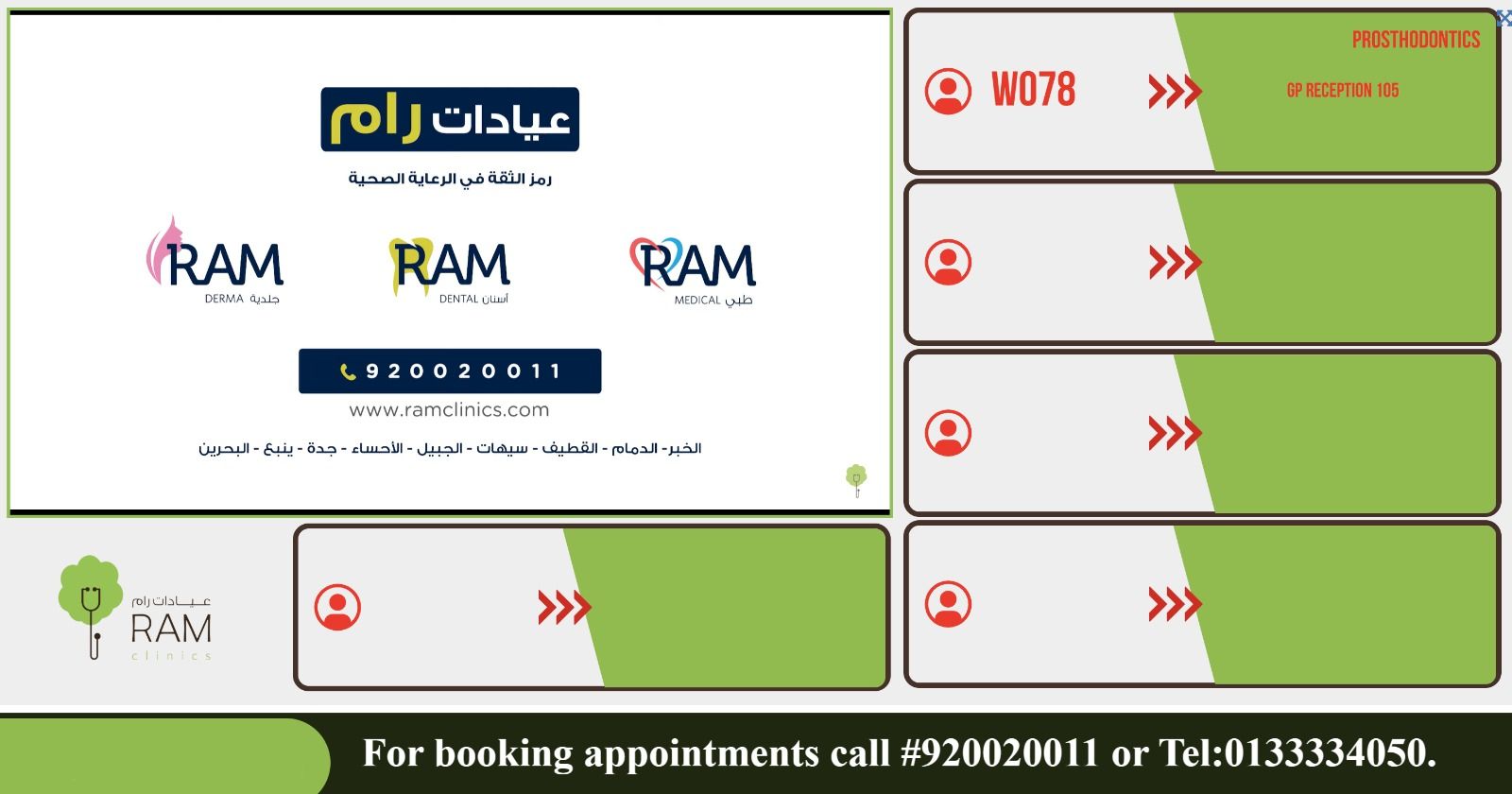
“Ram Clinics, one of the region’s most recognized multi-specialty healthcare groups, transformed its daily patient flow after adopting Qwaiting. With high walk-in volumes and heavy administrative load, their teams struggled to maintain smooth operations. By using digital check-ins, automated routing, and real-time queue visibility, Ram Clinics significantly reduced bottlenecks and created a faster, more organized patient journey across all branches.”
Multisite Visibility for Healthcare Networks
For healthcare groups managing multiple locations, centralized queue management provides performance comparisons across clinics. You can identify which locations consistently run behind schedule, where bottlenecks occur most frequently, and how patient experience varies by site. This data-driven approach unifies patient experience across your network rather than leaving each clinic to figure things out independently.
If you’d like to explore a more clinic-focused breakdown of how digital queuing streamlines check-ins, triage, and patient movement, you can also read our in-depth guide:
Patient Experience, Satisfaction Metrics & Why They Matter
Patient experience isn’t a soft metric, it’s a business metric. The way patients perceive their visit influences everything from retention to referrals to online reviews that shape your reputation.
The Core Metrics Healthcare Leaders Should Monitor
Actual wait times matter, but perceived wait times matter more. If patients feel informed and respected, they tolerate longer waits better. Track drop-off rates and no-show trends to understand where your process frustrates patients enough to leave. Monitor first-contact resolution, how often patients get what they need without callbacks or return visits. Finally, satisfaction scores and online reputation signals tell you whether improvements are actually working.
Turning Queue Data Into Actionable Decision-Making
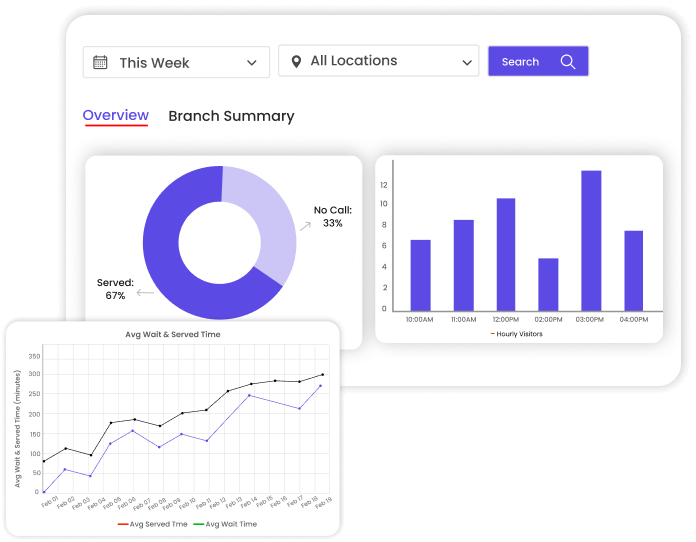
Predictive analytics help you anticipate peak patient flows based on historical patterns, allowing smarter staffing decisions before bottlenecks happen. Instead of reacting to chaos, you’re proactively managing capacity. Queue data also reveals whether your appointment slots align with actual demand, reducing overload during certain hours while underutilizing staff at other times.
Building an Experience Patients Trust
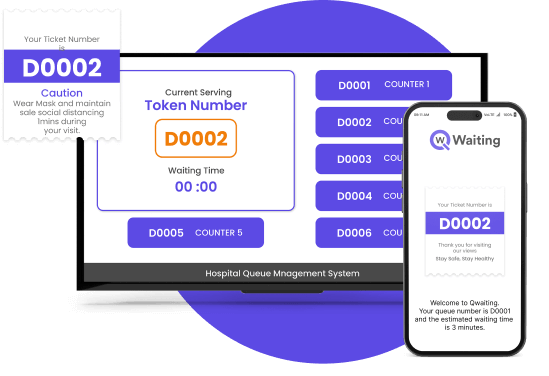
Clear communication through SMS or WhatsApp alerts keeps patients informed without requiring them to sit anxiously in the waiting room. Real-time digital displays show queue progress, so patients see that the system is moving. This visibility builds trust; patients feel reassured when they understand what’s happening rather than guessing whether they’ve been forgotten.
Accessibility & Inclusiveness in Patient Flow

Multilingual kiosks ensure non-native speakers can navigate check-in without confusion or embarrassment. Elderly-friendly interfaces with larger fonts and simpler navigation respect the needs of older patients who may struggle with complex technology. Support for patients with disabilities, whether visual, auditory, or mobility-related, creates equitable experiences. Every visitor deserves a smooth journey regardless of language, age, or ability.
HIPAA Compliance in Digital Queue Management
HIPAA compliance isn’t optional, and many traditional queue systems create unintended privacy risks that clinics don’t realize until an audit surfaces them.
What HIPAA Compliance Looks Like at the Front Desk

Verbally calling patient names in crowded waiting rooms exposes protected health information (PHI) unnecessarily. Paper-based queues left on counters or visible clipboards create risk if others can see patient details. Open front desks where conversations are overheard compromise confidentiality. These aren’t hypothetical risks, they’re daily compliance gaps that regulators care about.
Privacy-First Queue Workflows
Anonymous check-ins using ticket numbers or digital tokens eliminate the need to broadcast names. Encrypted patient records ensure data isn’t exposed during transmission or storage. Role-based access restricts what staff can see based on their responsibilities, not everyone needs full patient histories. Secure messaging through encrypted channels protects communication flows between departments.
Compliance Questions Leaders Should Ask Before Choosing a System
Before selecting a queue management platform, ask: “How is patient data stored, and where are servers located?” “What audit trails exist to track who accessed what information?” “Who can access patient data, and how is access restricted by role?” “How is data encrypted during transmission and at rest?” If vendors can’t answer these clearly, it’s a red flag.
Accessibility, Safety & Confidentiality Working Together
Designing patient journeys that respect both privacy and comfort means eliminating visible identifiers in waiting areas, no names on screens, no public announcements. Patients feel safer when their visit remains confidential, and clinics stay compliant without adding complexity. Privacy and patient experience aren’t trade-offs; they reinforce each other when systems are designed correctly.
A Future-Ready Clinic Workflow: What Leaders Should Expect
The clinics winning today aren’t working harder, they’re working smarter by unifying fragmented systems into one seamless patient flow.
Unifying Appointments, Walk-Ins & Triage Into One Fluid Flow
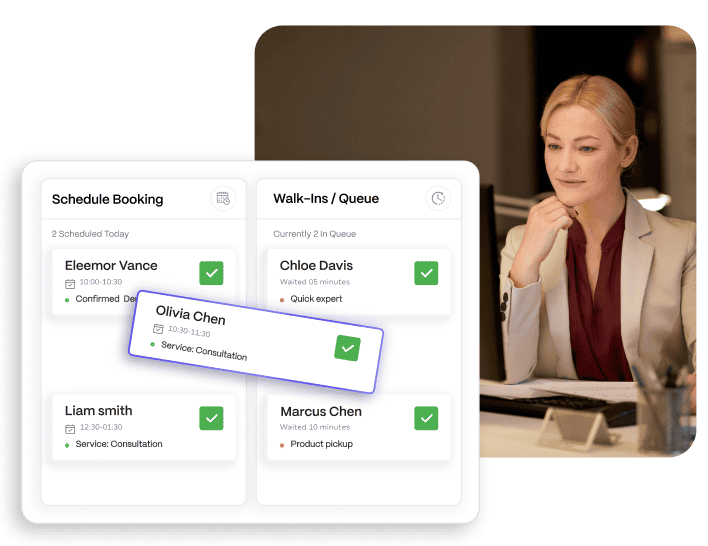
A single platform managing scheduled appointments, unexpected walk-ins, and triage priority eliminates the friction of juggling multiple systems. Patients enter one unified queue regardless of how they arrived, and staff see everyone in context. This reduces errors, speeds throughput, and creates consistency across every patient interaction.
Scaling Patient Flow Without Increasing Headcount

Automating repetitive administrative tasks, check-in, data entry, insurance verification, frees staff to focus on higher-value work. Throughput per staff member increases because systems handle the predictable, repetitive parts of the process. This creates sustainable operational models that scale with patient volume without proportionally increasing payroll.
The First 30 Days of Implementation: What Actually Changes
Staff adoption happens faster when systems are intuitive and reduce workload rather than adding complexity. Training outcomes improve because teams see immediate benefits, shorter queues, fewer complaints, smoother triage. Early wins build momentum: patients notice shorter wait times, staff feel less overwhelmed, and leadership sees data validating the investment.
Conclusion: Real Outcomes Clinics Are Seeing Today
The clinics implementing modern queue management systems aren’t chasing marginal gains, they’re fundamentally transforming how they operate. Wait times drop by 30-50% within weeks. Patient satisfaction scores climb as transparency and communication improve. Staffing needs become predictable because data reveals actual demand patterns. Compliance posture strengthens because privacy risks are designed out of the workflow, not bolted on afterward.
One mid-sized clinic network reduced average wait times from 42 minutes to 18 minutes within 90 days while handling 25% more patients daily. Their secret? Eliminating manual bottlenecks and letting intelligent systems manage flow so staff could focus on care.
The question isn’t whether your clinic needs better patient flow management. It’s how much longer you’ll wait before inefficiency costs you more than the solution would.
Book your 14 day free trial with Qwaiting today and improve your patient flow.